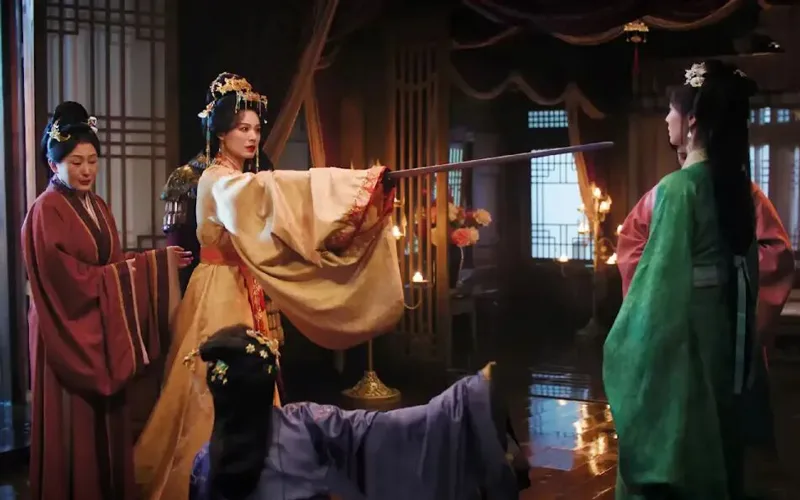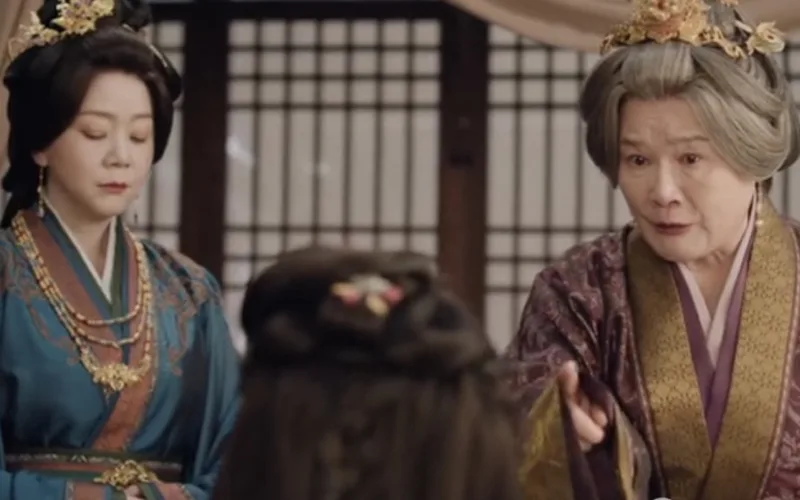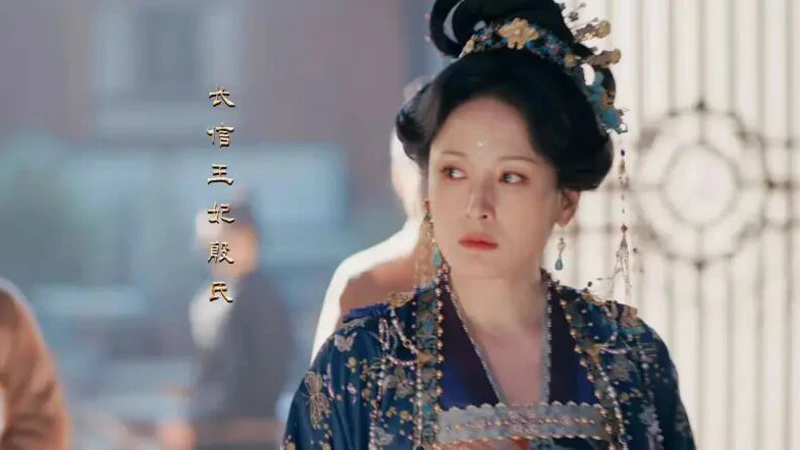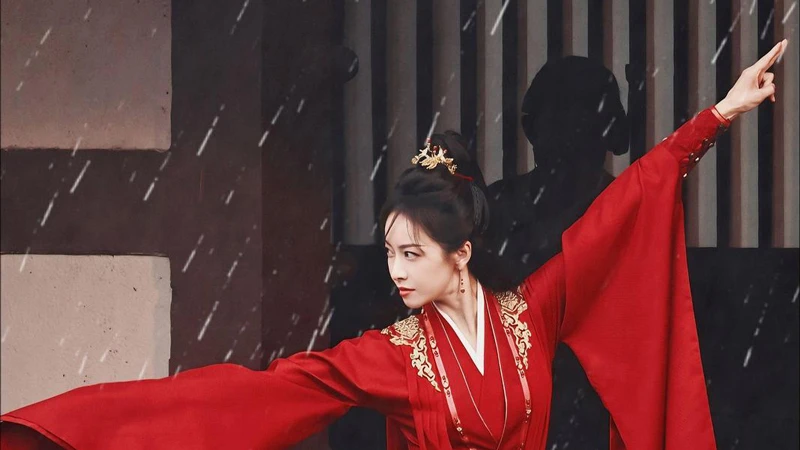
Why does Chu Yu (楚瑜) repeatedly turn down Wei Yun’s (卫韫) heartfelt confessions in the captivating drama Fight for Love (山河枕)? This question has lingered in the minds of many viewers, as the female lead’s actions seem to contradict her growing affection for the male lead. Set against a backdrop of familial duty and personal turmoil, their story unfolds with emotional depth and societal pressures. Chu Yu, a woman shaped by past betrayals and responsibilities, finds herself at a crossroads whenever Wei Yun expresses his love. Her rejections are not mere caprice; they are rooted in complex layers of personal history and cultural expectations.
As audiences follow their journey, the tension between heart and mind becomes a central theme, inviting reflection on how love navigates the obstacles of age, emotion, and tradition. This article delves into the underlying reasons for Chu Yu’s hesitations, shedding light on the nuances that make their relationship both frustrating and profoundly human.
Age Difference
Chu Yu is several years older than Wei Yun, a fact that weighs heavily on her decisions. In the world of Fight for Love, where social norms often dictate relationships, an age gap like theirs can invite scrutiny and disapproval. Initially, she was intended to marry Wei Jun (卫珺), Wei Yun’s older brother, which placed her in a role that felt more aligned with societal expectations. This age disparity fuels her insecurities, making her question whether a bond with someone younger could withstand external judgments. Even in modern contexts, such differences can stir doubts, highlighting how historical perspectives on age continue to echo in today’s discussions about compatibility.
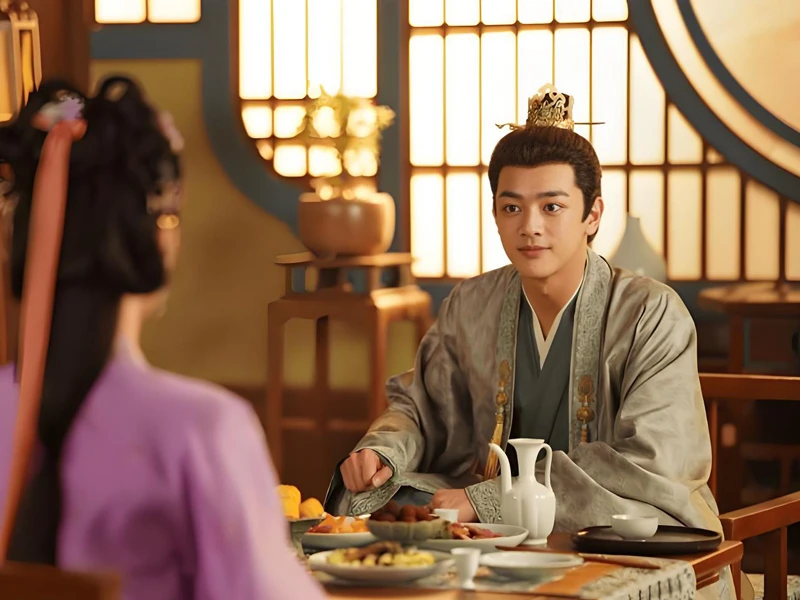
Her concerns are amplified by the circumstances that led her to Wei Jun. After her father’s unjust death, she sought to investigate the case through this marriage, viewing it as a practical step rather than a romantic one. This pragmatic approach left little room for emotional connections, and when Wei Yun later enters her life, his youth reminds her of the potential instability in their dynamic. She fears that their age difference might lead to misunderstandings or a lack of mutual respect, especially in a society that often privileges male authority and experience. Thus, her rejections stem from a desire to protect both herself and Wei Yun from possible future strife.
Wei Yun, however, sees beyond these superficial barriers, recognizing the depth of her character and their shared values. His persistence challenges the traditional views that bind her, suggesting that love can transcend numerical age. Throughout the series, his actions demonstrate that emotional maturity matters more than years lived, yet Chu Yu’s cautious nature keeps her from easily embracing this idea. This tension between societal norms and personal feelings adds richness to their story, illustrating how love often requires courage to defy convention.
Emotional Hesitation
Chu Yu’s emotional world is marked by a slow awakening to her own feelings, coupled with a fear of vulnerability. Having been hurt by Gu Chusheng (顾楚生), who betrayed her for another, she built walls around her heart to avoid further pain. When Wei Yun begins to show his affection, she retreats into herself, unsure if what she feels is genuine or merely a response to his kindness. This internal conflict makes her appear distant, as she prioritizes self-preservation over the risk of another heartbreak. Her journey reflects a common human experience where past wounds shape present actions, often causing delays in embracing new love.
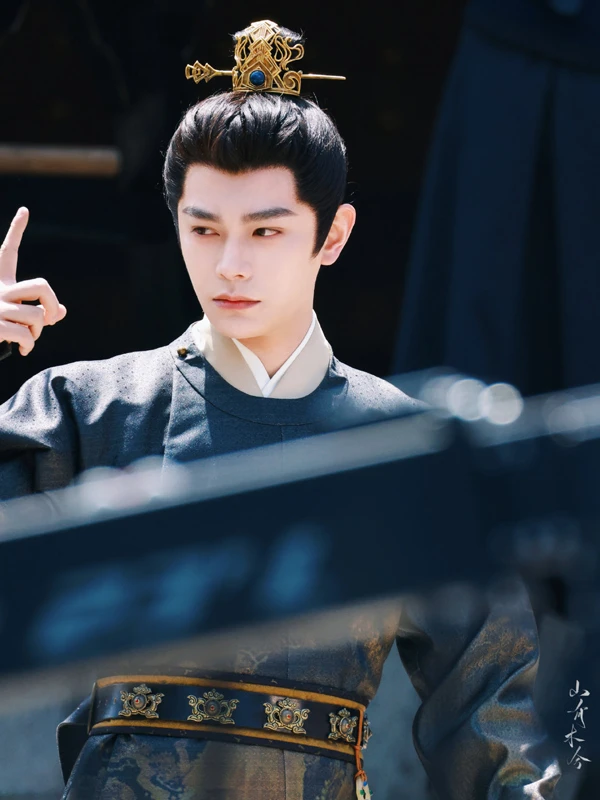
Her reluctance is not due to a lack of care; in fact, Chu Yu is deeply loyal and values emotional integrity. She would rather conceal her true sentiments than lead someone on without certainty. This sense of responsibility extends to how she views relationships—once committed, she would dedicate herself completely, even at great personal cost. Wei Yun seems to understand this, which is why he continues to pursue her with patience and respect. His unwavering support gradually chips away at her defenses, showing that trust can be rebuilt over time.
As the story progresses, viewers witness moments where Chu Yu’s guard begins to lower, hinting at the possibility of change. Her interactions with Wei Yun reveal glimmers of affection, yet she holds back, caught between the desire for connection and the memory of betrayal. This emotional tug-of-war adds depth to her character, making her relatable to anyone who has ever hesitated in love. It underscores the idea that healing is a gradual process, and sometimes, the bravest step is to let someone in.
Social Taboos
The relationship between Chu Yu and Wei Yun is complicated by their nominal status as sister-in-law and brother-in-law, a connection that carries significant stigma in their society. Even though her marriage to Wei Jun was never consummated—as he passed away shortly after their union—the label of “brother’s wife and sister-in-law” lingers, influencing how others perceive them. Chu Yu feels trapped by these expectations, fearing that pursuing a romance with Wei Yun would invite gossip and condemnation. This social constraint acts as an invisible chain, holding her back from acting on her feelings, as she prioritizes propriety over personal happiness.
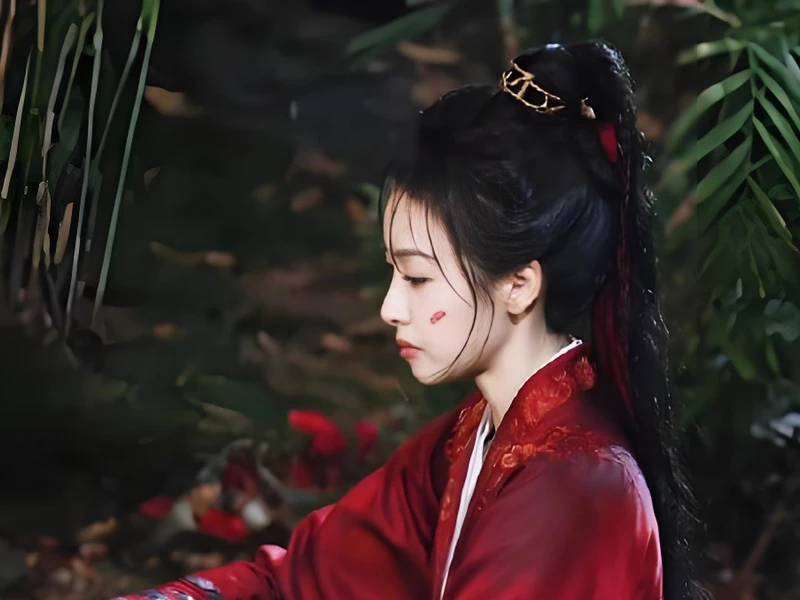
Wei Yun, in contrast, appears less concerned with these external judgments, focusing instead on the authenticity of their bond. He recognizes that their connection transcends formal titles, rooted in mutual understanding and shared experiences. His willingness to challenge norms highlights a progressive stance, suggesting that love should not be confined by outdated conventions. However, Chu Yu’s upbringing and the weight of societal opinion make it difficult for her to adopt a similar perspective. She internalizes these taboos, viewing them as barriers that could harm their reputations and futures.
A turning point comes when a wise figure, such as the elder princess, advises her to “cherish the person before you,” prompting a moment of clarity. This guidance encourages Chu Yu to reconsider what truly matters, balancing societal duties with personal desires. While the drama’s conclusion remains unseen, this theme resonates with audiences who root for their union, symbolizing hope that love can overcome even the strictest of social boundaries. It reminds us that often, the greatest obstacles are the ones we impose on ourselves.