
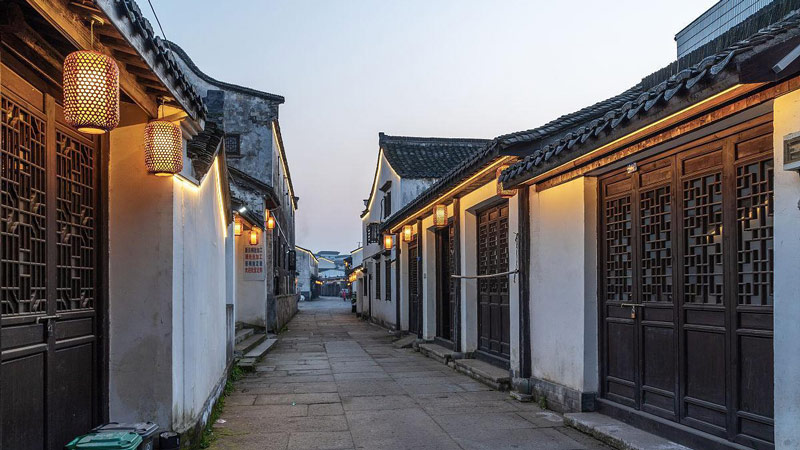
Summer 2025 witnesses a cultural phenomenon reshaping China’s tourism landscape. From mist-shrouded villages in Anhui to canal-lined streets of Shaoxing (绍兴), international visitors are trading T-shirts for Tang dynasty robes. This sartorial shift transcends fashion—it’s a tactile dialogue with history. As Indian student Adnan explores Keqiao Ancient Town, his crimson-sleeved arms gesture toward stone bridges, embodying a silent conversation between eras. Beyond Instagram moments, this trend fuels local economies and rewrites cultural exchange.
Threads of Curiosity
Adnan’s journey began with a simple observation: flowing sleeves against smartphone screens. "At home, we see hanfu in documentaries," he shares while adjusting his linen sash. "Touching embroidered phoenixes makes legends tangible." His family’s Shaoxing base became a springboard to Keqiao’s silk vendors, where textures bridged his Indian heritage with Ming dynasty motifs.
Near Huangshan’s Xixinan Village, Brazilian siblings Maria and Pedro discovered shared symbolism. "Our Carnaval feathers mirror these crane patterns," Pedro notes, tracing gold-threaded birds. Their guide contextualized each stitch: "Cloud collars symbolize heaven’s embrace," she explained, linking cosmology to craftsmanship.
For German retiree Helga, the ritual itself resonated. Seated before a Qing-style dressing mirror, artisans transformed her silver braid into coiled palace hairstyles. "This combing ceremony," she reflects, "feels like ancestral homage."
Looming Opportunities
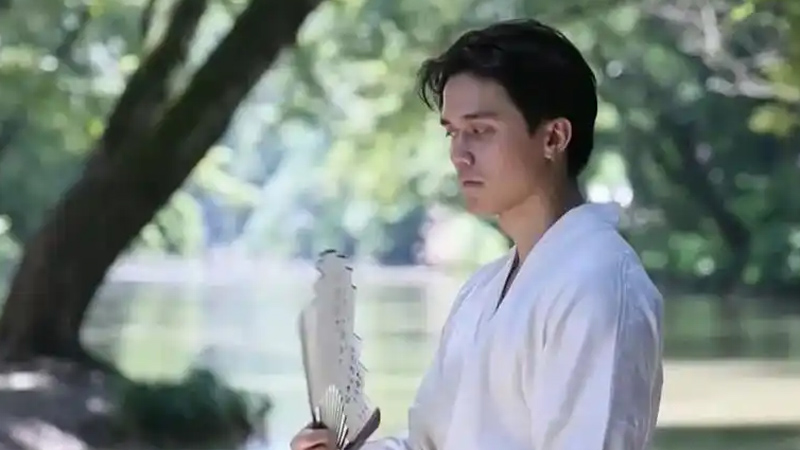
Wei Liming’s (魏利明) Shaoxing photography studio now keeps Mandarin-English phrasebooks beside lens cloths. "Last July, 3 foreign clients came," he says. "This July? Thirty." His solution for language barriers is visual: a tablet displaying pose examples—pointing at moon gates, fanning near calligraphy walls.
Downstream, hanfu rental shops thrive through cross-industry symbiosis. Homestays like Xixinan Teahouse Lodge bundle room bookings with 20% discounts at partner costume stores. "Guests stay longer," owner Li Mei explains. "After photoshoots, they buy tea sets replicating their outfit’s porcelain-blue hues."
Third-party platforms fuel discovery. Airbnb Experiences lists "Huangshan Hanfu Sunrise Sessions," while Klook offers makeup add-ons featuring dian forehead gems. "Walk-ins still dominate," admits Li, "but bookings ensure we prepare XXL sizes."
Patterns of Participation
Demographics reveal unexpected nuances. Though women comprise 90% of clients, Japanese salaryman Kenji defies trends. "Samurai armor feels familiar," he says, posing sternly in Ming military robes. "Both demand straight-posture pride."
Seasonal shifts emerge. Winter bookings favor Song dynasty padded cloaks, while summer sees sheer Tang skirts dominate. At Xixinan’s fish-lantern workshops, Colombian newlyweds prioritize interactive crafting over static photos. "We’ll hang this lamp in Bogota," they beam, threading scales onto bamboo frames.
Regional preferences surface too. European visitors gravitate toward dragon-embroidered emperor robes, while Southeast Asians choose lotus-patterned Song styles. "It’s cultural translation," suggests Shanghai University sociologist Dr. Zhou. "They select symbols resonating with home narratives."
Weaving Economic Revival
Beyond individual shops, entire ecosystems prosper. Keqiao’s souvenir alleys now stock miniature hanfu doll kits after French teens sparked demand. "They gift them to pen pals," vendor Zhang notes. Nearby, cafes serve "Dynasty Lattes"—matcha foam art depicting palace maidens.
Non-ticket revenue has surged 38% year-on-year across featured destinations. Huangshan’s park entrance fees remain steady, but post-visit spending on embroidery classes and velvet pouches has tripled.
The ripple effect reaches rural cooperatives. Anhui’s Xidi Village hemp farmers now supply cloth to three city studios. "We’re planting 40% more this autumn," farmer Qin states, unspooling raw fiber. "This thread connects rice fields to runways."
Cultural Shuttles
For industry strategists, this signals a paradigm shift. Ctrip data shows international repeat-visit rates doubling for hanfu-inclusive itineraries. "It’s no longer checkbox tourism," remarks analyst Evelyn Wang. "They return for biannual festivals, becoming seasonal community members."
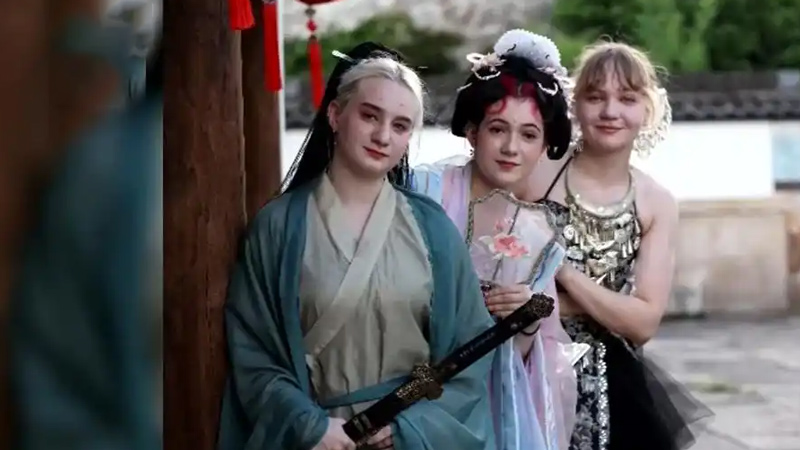
Ethiopian diplomat Sara Abera’s experience crystallizes the transformation. After posing in Ming finery, she requested a replica for Addis Ababa’s Meskel festival. "Your silk road carried spices once," she told the dressmaker. "Now it carries meaning." As sunset gilded Keqiao’s tiles, her robe’s embroidered cranes seemed to soar—stitching continents with every thread.
