

South Korea is poised to significantly boost its tourism sector by potentially extending visa-free entry for Chinese group visitors indefinitely. This strategic move, currently under final review by government ministries including Justice and Culture, aims to accelerate economic recovery by targeting the crucial Chinese market.
Building on a planned short-term trial starting late 2025, the policy could become permanent from 2026 onwards, signaling a long-term commitment to welcoming Chinese travelers. Concurrently, authorities are exploring options to expand this benefit to individual tourists in the future, recognizing the substantial economic impact of Chinese visitation.
Bilateral Tourism Surges
Recent statistics highlight the strong rebound in travel between South Korea and China. During the first quarter of 2025 alone, 1.12 million Chinese tourists visited South Korea, constituting 28% of all international arrivals. This momentum builds on the 4.6 million Chinese visitors recorded in 2024, a significant jump from 2.02 million in 2023, though still below the 2019 peak. The reciprocal flow is equally robust, with 912,000 South Koreans traveling to China in the first four months of 2025, marking a 48.5% year-on-year increase.
Demographic diversification is underway. Korean data shows retirees joining youth travelers to China, drawn by affordable high-speed rail passes and language-accessible AI guides. Conversely, China’s Gen Z visitors to Korea prioritize Instagrammable heritage sites like illuminated Changdeokgung Palace over shopping.

Transport innovations amplify access. Low-cost carriers now connect 14 Chinese second-tier cities to Jeju and Busan, while KTX trains integrate AliPay. Visa processing for Korean travelers to China has accelerated to 48 hours, fueling reciprocal demand.
Industry experts forecast this upward trajectory to continue throughout the year, fueled by pent-up demand and improving travel infrastructure. The economic stakes are clear: analysis suggests every additional 100,000 Chinese group tourists could lift South Korea's GDP by 0.08 percentage points.
Collaboration Drives Growth
Recognizing mutual benefits, regional governments and industry players are actively forging partnerships. A landmark agreement was signed in late June 2025 between Seoul and Shanghai tourism authorities during the "Shanghai-Seoul Tourism Forum." This memorandum formalizes cooperation in joint marketing, service enhancement, information exchange, and industry development, marking the first such tourism pact since the cities established friendly ties in 2014.
Officials from both sides emphasized a shared goal: transforming Seoul and Shanghai into premier global destinations through collaborative projects. The forum saw participation from airlines, major travel agencies, and tourism boards, facilitating discussions on visitor preferences, customized product development, and market strategies, demonstrating strong sector-wide engagement.

Niche Experiences Emerge
Beyond traditional sightseeing, South Korea is diversifying its appeal to cater to evolving Chinese tourist preferences. Initiatives include developing specialized offerings like health and wellness tourism programs and pet-friendly travel options.
Culinary tourism is gaining focus through expanded food festivals and events showcasing Korean cuisine. Cultural immersion is also being prioritized, with plans for more festivals and unique experiences highlighting heritage. Coastal and marine activities are being enhanced to attract visitors seeking leisure beyond urban centers. These targeted efforts aim to provide richer, more personalized experiences, encouraging longer stays and repeat visits by meeting specific interests of the large Chinese visitor segment.
Short-Haul Revolution Blooms
The geographical proximity between South Korea and China, particularly eastern cities like Shanghai, is revolutionizing travel patterns. With flight times from Seoul to Shanghai around two hours and only a one-hour time difference, convenient weekend getaways have become immensely popular, especially among younger South Koreans.
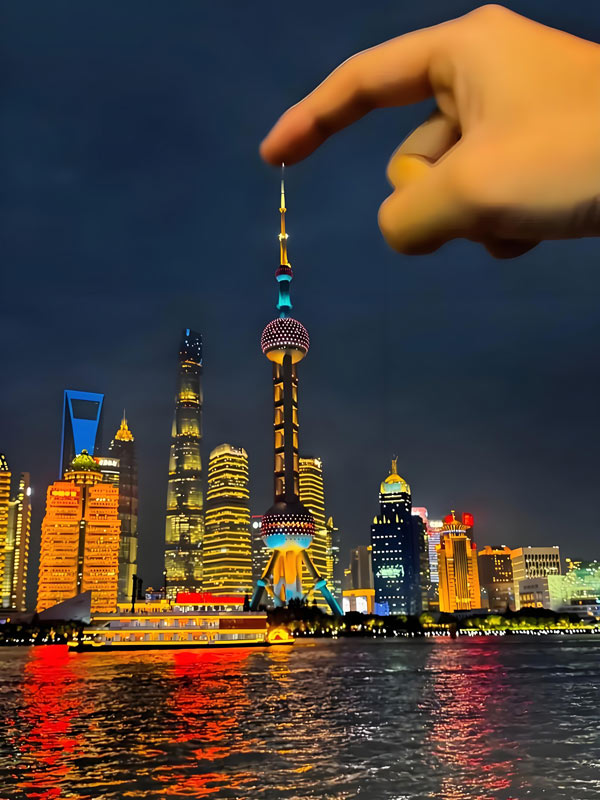
Shanghai has emerged as a top destination, drawing visitors to iconic sites like the Oriental Pearl Tower, the Bund, Yu Garden, and Disneyland. This trend is reflected in the data: over 356,000 South Korean tourists visited Shanghai in just the first five months of 2025, a surge of 138.6% year-on-year, making South Korea Shanghai's largest source of inbound tourists. The ease of access fosters frequent, spontaneous travel, solidifying the "weekend escape" culture between the neighboring nations.