
"Chastity? Purity? These are empty shackles... I stand whole and unbroken. That suffocating morality you worship? Keep it to yourselves."
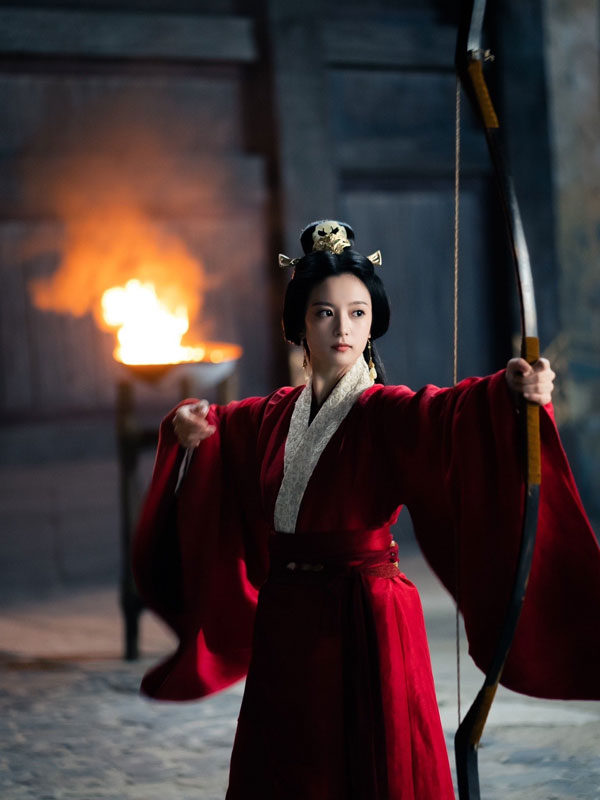
This fierce declaration from Bilibili's new period drama, Qingchuan's Veil of Vengeance (青川入梦), perfectly captures its modern feminist core. The story follows Mo Qingchuan, a female general framed for treason. After five years in captivity, she returns to the imperial court under the alias "Mo Wang" as a scholar, meticulously plotting her revenge.
Following the success of 2023's An Ancient Love Song, Qingchuan's Veil of Vengeance arrives as another "compact gem"–just 18 episodes, each under 30 minutes. It blends "female-dominant relationships" and "taming narratives," proving that shorter mid-tier productions don't have to rely on cheap thrills. This drama marks Bilibili's continued push into the competitive period romance genre and a deeper exploration of focused, high-quality storytelling as the era of easy viewer growth fades.
But zoom out: against giants like iQiyi, Tencent Video, Youku, and Mango TV pouring hundreds of millions into star-studded blockbusters, is Bilibili's "small but refined" approach naive idealism? Or could it actually shift the industry?
 The Power of "Small but Refined"
 The Power of "Small but Refined"
Qingchuan's Veil of Vengeance isn't Bilibili's first compact hit. An Ancient Love Song (古相思曲) paved the way. Its 2023 success showed the potential of lean productions centered on female strength, leading Bilibili to create its "Stargazing Theater" brand dedicated to this niche. While giants chase "big IP + top stars + huge budgets," Bilibili bets on "small but refined."
"Small" first means physical scale: fewer episodes, tighter runtime. Qingchuan's Veil of Vengeance packs its story into 18 brisk episodes (all under 30 minutes); An Ancient Love Song did it in 14. This forces focus–no room for filler.
Unlike sprawling ensemble dramas often cut short by platform demands, leaving subplots dangling, Qingchuan's Veil of Vengeance keeps laser-focused on Qingchuan. Her revenge is the spine: punishing those who betrayed her family and army, aiding the court against corrupt officials, reclaiming lost lands. Supporting characters get just enough space for clean, quick arcs. The spotlight stays firmly on her.
"Refined" also means sharp thematic focus and concentrated payoff.
The show ditches the tired cycle of misunderstandings and reconciliations common in the genre. Instead, it uses direct, propulsive storytelling: set goal, face obstacle, overcome. Mo Qingchuan drives the action. She's the avenger, the strategist, the force for justice. That cold gleam in her eyes as she strikes down traitors? The cunning maneuvering against court villains? Her choices spring from inner resolve, not dependence on a man's logic. This clarity cuts through narrative fog.
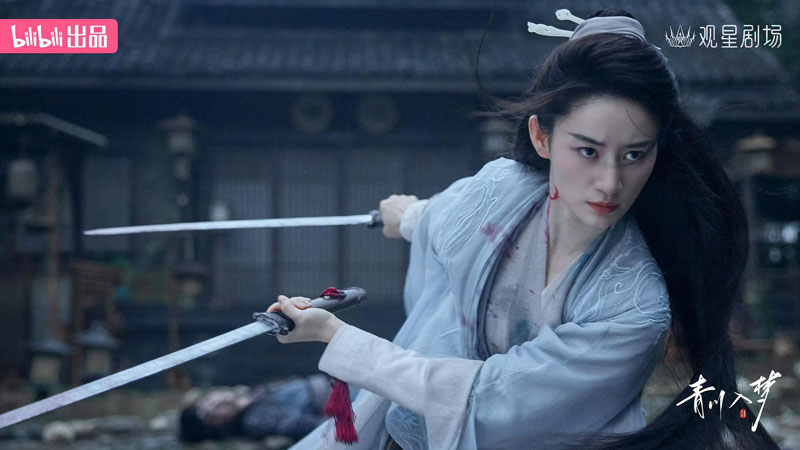
The dual timeline–brief flashbacks woven into present action–avoids lengthy exposition while building emotional tension. For instance, Qingchuan's complex past with Feng Shiye unfolds in snippets (averaging just 2 minutes per episode), immediately followed by present consequences. This "fragmented memory + instant action" style suits short-attention-span viewing while delivering potent emotional punches for the female lead.
This approach trims the fat, boosts narrative efficiency, and eases the burden on creators, letting them hone key moments. The whole drama thrums with cathartic satisfaction, making its "woman-centered" vision unmistakable. It taps into contemporary female audiences, delivering both gripping entertainment and resonant values.
All this shows Qingchuan's Veil of Vengeance's "small but refined" model aligns with market trends and wins by prioritizing content. Without blockbuster budgets, star power, or hype, it zeroes in on craft, emotional truth, and authentic characters–hitting young viewers' dual craving for excitement and substance.
Buzzing Inside Bilibili, Quiet Everywhere Else
 Buzzing Inside Bilibili, Quiet Everywhere Else
Despite its strong story and production, Qingchuan's Veil of Vengeance hasn't sparked much buzz outside its home platform. After premiering on Bilibili on June 16, 2025, it quickly topped the site's drama popularity chart by June 21st. Yet, according to EntGroup data, its overall viewership share sits at just 0.6%.
This stark contrast highlights a key challenge for Bilibili's "small but refined" experiment: it lacks breakout momentum.
So, what is breakout momentum?
A show's initial audience is often defined by the platform's user base, genre appeal, and actor fandoms. Breaking out means generating viral traction across platforms. Think clip edits on Douyin (TikTok), trending topics on Weibo, meme adaptations on WeChat Moments, or even offline references. Take the short drama Zhi Bi (The Pen's Power) as an example. It saturated major platforms: over 100 Weibo hot searches, its main hashtag trending 11 times; 13 Douyin hot searches, its main hashtag exceeding 500 million views. It released key scenes and behind-the-scenes snippets everywhere, pulling in users from all corners.
Bilibili's promotion, however, heavily relies on its own ecosystem. Homepage features, bullet-screen comments, and encouraging content creator fan edits create a strong internal loop. Qingchuan's Veil of Vengeance did soar on Bilibili's charts, with bullet-screen interactions surpassing 3 million on day one. Fan-made "plot analysis" videos and character compilations fueled the internal fire.
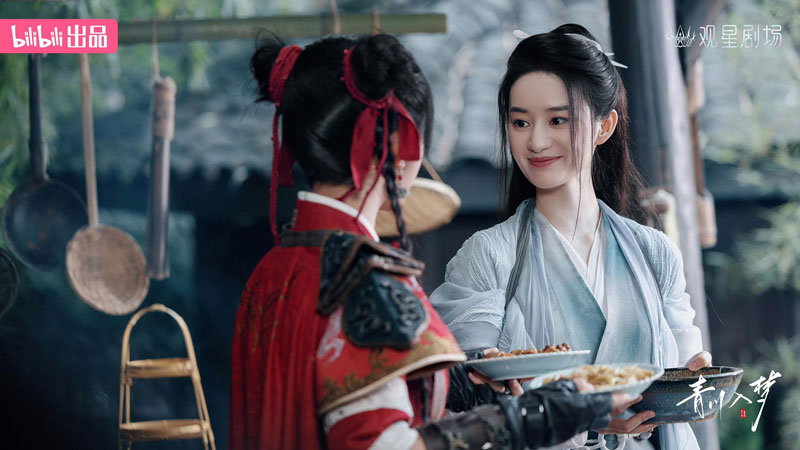
But compared to the all-out marketing campaigns of iQiyi, Tencent Video, Youku, and Mango TV, Bilibili's external push feels lightweight. The Weibo hashtag #Qingchuan's Veil of Vengeance# garnered only 621,000 discussions.
Casting lesser-known actors also limited its social media reach.
While lead actress Guo Xiaoting isn't a top-tier star, she's respected for her impressive action choreography skills and emotional depth. However, her follower count and online buzz aren't enough to drive major traffic. Newcomers like Zhou Lijie have even smaller social footprints. To users outside Bilibili, the cast registers as largely "unknown," leaving the drama without a natural hook for cross-platform sharing. This approach works wonders internally but struggles to make waves externally.
Is Bilibili's "Small but Refined" Experiment Pointless?
 Is Bilibili's "Small but Refined" Experiment Pointless?
Not at all. Ratings and view counts were never the only measure of a show's worth. In today's oversaturated short/mid-length drama market, this "small but refined" approach holds distinct value.
Take the controversy around The Kirin Delivers a Son, Heaven Sends Blessings. Its absurd plot—a woman giving birth to 99 babies after supernatural intervention—sparked such backlash that it was pulled from platforms on June 15, 2025. The show's climactic scene stacked newborns like blocks to present them to the emperor, mocked online as "postpartum care for sows" that "makes overbearing CEO plots seem sane."

This highlights the core issues plaguing the short/mid-drama space: crude plots, predatory paywalls, and rushed storytelling. Many prioritize shock value through violence, sexual innuendo, or recycled tropes like "CEO revenge arcs" and "rebirth vengeance." Against this backdrop, Bilibili's experiment proves an alternative exists: balancing artistry and commercial appeal through tight scripts, focused narratives, and genuine character depth—all within a compact format.
Bilibili's "small but refined" model redefines content value. While giants build empires with capital, Bilibili carves its niche with substance and community loyalty. Its "Stargazing Theater" demonstrates that quality mid-length dramas can thrive without A-list stars or nine-figure budgets. It challenges the industry's copycat culture, proving that a compelling lead, a well-told story, and resonant values can turn constraints into strengths.
Of course, hurdles remain.
Limited external reach, narrow revenue streams, and the casting of lesser-known actors are real barriers. Yet as easy growth vanishes and audiences demand better, Bilibili's "ant shaking the tree" approach might just be the lever that moves the industry. If more platforms rethink their "bigger is better" mindset, and if storytelling recenters on human truth, this "small but refined" experiment could carve its own space in the landscape.
So far, Bilibili Originals have struggled to escape the "Bubble Curse"—critical acclaim inside the platform, muted buzz outside. Beyond rare exceptions like An Ancient Love Song, few broke through. This year, Bilibili aims to change that by doubling down on female-led historical dramas: low-budget, high-quality, mid-length—betting substance can shatter the silence.
Can Bilibili Claim a Seat at Summer's Drama Feast?
 Can Bilibili Claim a Seat at Summer's Drama Feast?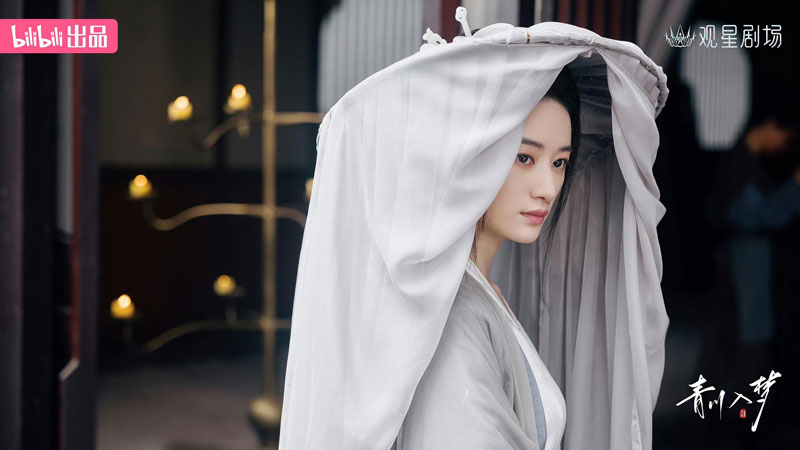
Bilibili's summer offensive is far from over. Qingchuan's Veil of Vengeance's muted external reception isn't a death knell—the season has just begun. With three more period dramas in the "Stargazing Theater" pipeline (ranging from political intrigue to supernatural suspense), Bilibili has ample room to experiment. Even if the first shot misfires, the platform is determined to join the game.
Earlier this year, a leaked pitch deck revealed Bilibili's plans for its first female-focused historical drama brand, "Ancient Charm Theater" (later renamed "Stargazing Theater"). Four series—Qingchuan's Veil of Vengeance, Courtyard of Blossoms, Half-Life Awakening, and Mirror's Lament—were slated for a summer 2025 rollout.
Bilibili's bet on female-led historical dramas stems not just from An Ancient Love Song's success, but also from a clear market gap: "Recent years saw few standout period dramas, leaving audiences hungry." The platform also tackled the genre's three chronic flaws head-on:
Star Dependency → Acting First: Casting skilled performers over pure traffic stars (e.g., Guo Xiaoting);
Stale Plots → Director Power: Hiring proven directors from hit short dramas (e.g., Zhang Zhiwei of The Pen's Power for Qingchuan's Veil of Vengeance);
Padded Runtime → Tight Editing: Capping episodes at ~25 minutes—long enough for depth, short enough to avoid fluff.
This strategy makes Bilibili's goal clear: it won't brawl head-on with giants in the 50-episode arena. Instead, it's carving a mid-length niche, using lessons from short-form hits. After all, two years ago, the low-budget An Ancient Love Song made waves during a summer dominated by iQiyi/Tencent/Youku's blockbuster S+ titles.
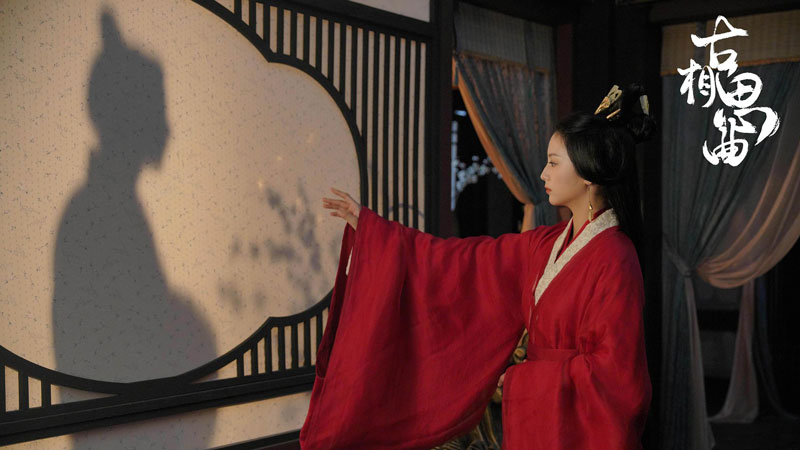
When "Stargazing Theater" dropped its trailer in early June, comment sections buzzed: "Is Bilibili seriously doing TV now?" The skepticism is understandable. Despite six years of original productions, Bilibili's drama efforts have felt scattered—many viewers still discover its shows by accident, like stumbling upon "new continents."
But with four shots fired at once this summer, Bilibili is signaling its resolve: it's all in on originals.
Why Is Bilibili Betting Big on Originals Now?
 Why Is Bilibili Betting Big on Originals Now?
"Bilibili's drama strategy used to baffle me," says industry observer Xiao Xian. "Even hits like An Ancient Love Song barely made waves in the broader market. They couldn't cultivate a loyal viewing base or truly compete for a slice of the pie—it felt like scratching an itch through a boot."
A glance at Bilibili's "Original Productions" page reveals the scale: only 27 self-made dramas since 2019—fewer than 4 per year. Beyond a handful like An Ancient Love Song, The Journey of San Yue, and Day and Night, most catered exclusively to Bilibili's otaku-centric niche, failing to attract mainstream audiences. Even its standout titles couldn't cement user habits of watching long-form dramas on the platform.
The "small but mighty" success of An Ancient Love Song in 2023 changed everything. With 200,000+ Douban reviews averaging 8.6, praise like "budget-light but premium" flooded in. Yet Bilibili waited until this year to double down on female-led historical mid-length dramas—a delayed but deliberate shift.
Historically, Bilibili's ambivalence toward originals stemmed from its DNA:
Community-first ecosystem: Like YouTube, it thrived on UGC/PUGC, making Netflix-style heavy investments unnecessary.
User habits: Audiences came for creator content, not scripted shows.
Revenue structure: Reliance on gaming (historically 80% of income) and ads reduced pressure to pursue risky OGV (professional content).
Two forces now drive its aggressive pivot:
User growth demands: Targeting 400 million MAUs requires broader appeal beyond anime/gaming crowds.
Short-drama opportunities: Low-cost, high-return formats offer a path to overtake competitors "on the curve".
In Bilibili's Q1 earnings call, CEO Chen Rui stressed: "Quality content is strategic—for now and the future. We're doubling down this year." While games like Three Kingdoms: Strategic Clash drove 76% revenue growth, sustainability hinges on diversifying. Short dramas already show promise—animation shorts hit ¥25 million quarterly revenue, proving monetization potential.
The new "Stargazing Theater" aims not just for income but member growth: converting historical-drama fans into paying users. With paid membership growth stalling at ~3% quarterly, mid-length dramas could be the leverage Bilibili needs to break through.
But critical questions remain:
Can An Ancient Love Song's success be replicated? Will users truly embrace Bilibili as a primary drama destination?
The stakes are high. If this bet fails, Bilibili's "small but refined" experiment may remain just that—an experiment. If it wins, it could rewrite the rules of how niche platforms conquer mainstream markets.
Can Bilibili Train Users to Binge?
 Can Bilibili Train Users to Binge?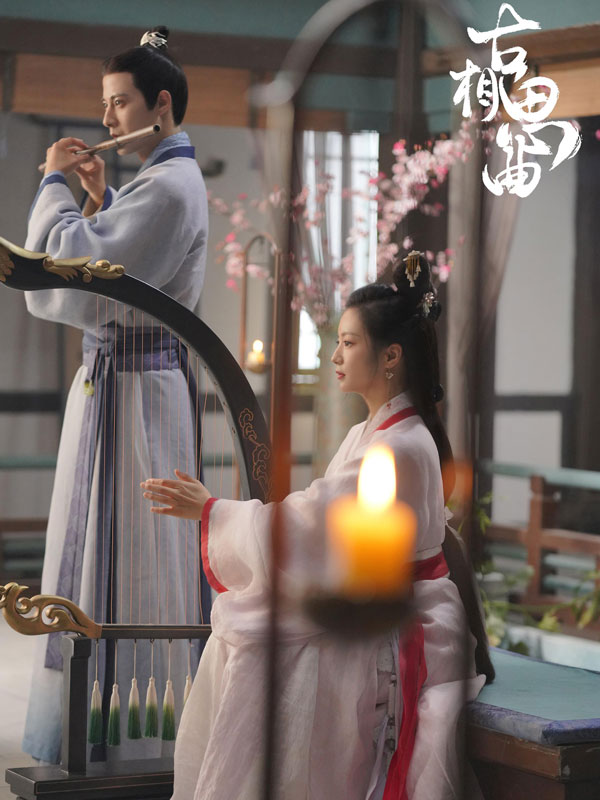
Qingchuan's Veil of Vengeance may not have broken out, but it did something vital: it finally dethroned Romance of the Three Kingdoms and Yongzheng Dynasty from Bilibili's "Top Drama" charts. Fresh blood is flowing. Queen of the Screen (a Taiwanese drama) hitting 3 signals quiet licensing deals, while Jiang Song's presence reveals a short-drama partnership with Mango TV.
Bilibili is clearly building a drama ecosystem—originals, licensed hits, collaborations. But will this make users habitually tune in for new shows?
Here's the twist: Bilibili users love dramas—just not the way traditional platforms expect. They thrive on rewatching classics. Since June 2020, when Bilibili relicensed China's "Four Great Classics," total plays exceeded 1.5 billion. Fans swarm bullet-screen comments and fan edits, turning reruns into communal events that expanded Bilibili beyond anime/gaming circles.
Yet for newly airing shows? Bilibili has a polarizing reputation. Many top UP主 (creators) in its Film/TV zone built followings by savagely critiquing popular dramas—especially period romances—and their "traffic star" leads. They became the voice of dissenters frustrated with industry tropes. Every major release triggers a wave of takedowns from these critique creators, inevitably sparking counter-attacks from idol fandoms.

This conflict reached a boiling point in March 2025 with "brand petition attacks". Fandoms pressured advertisers to force creators to delete negative videos or cut ties with them entirely. This tactic—striking at creators' revenue—laid bare the deep resentment between idol fans and critics.
As observer Xiao Xian notes: "Bilibili's constant roasting of period dramas and stars drove away the genre's core audience. I used to live on Bilibili—until the critique culture overwhelmed it." This sentiment is widespread. Period drama fans harbor grudges not just against critics, but the platform that enables them. Why would they support idols promoting shows there?
This puts Bilibili in a bind. To succeed in historical dramas, it must tame its critique ecosystem. Qingchuan's Veil of Vengeance already saw unusually tame feedback—mostly positive hype. But heavy-handed opinion control risks damaging Bilibili's UGC soul. Can it balance originals with its culture of free (often brutal) commentary? The answer will determine if period drama audiences truly stay.
As the next "Stargazing Theater" drama, Mirror's Lament, prepares to launch, all eyes are on Bilibili. Its entry into summer's drama wars—however rocky—might just breathe new life into a stagnant industry. For that alone, it deserves a seat at the table.