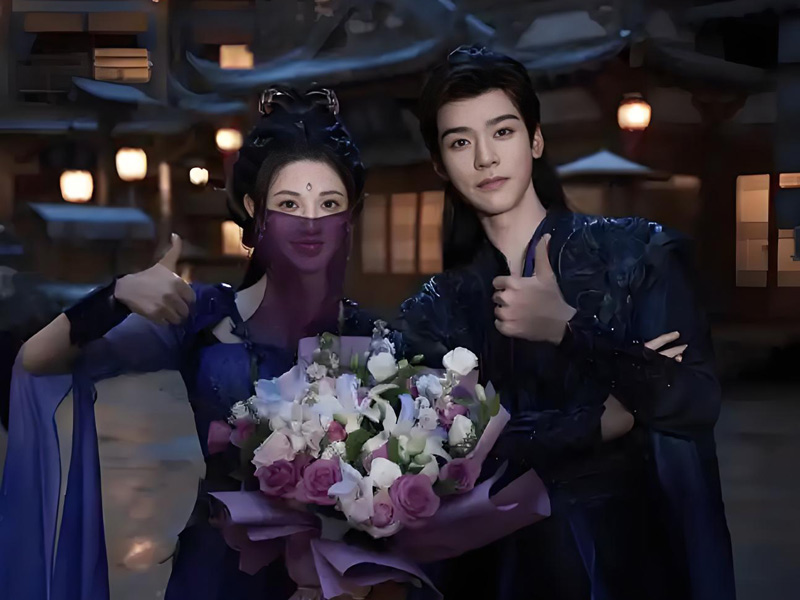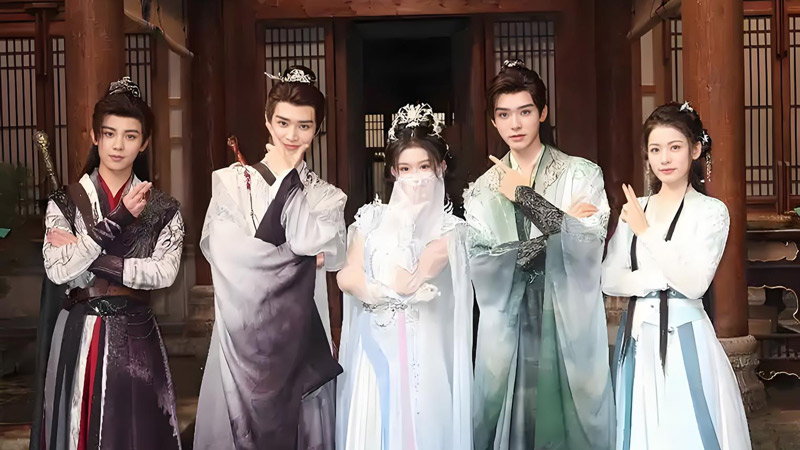
Amidst a landscape where traditional martial arts dramas have dwindled into romanticized fantasies, An He Zhuan (暗河传) emerges as a defiant return to Wuxia’s roots. Slated for release on Youku, this adaptation of Zhou Munan’s (周木楠) novel boasts a powerhouse cast led by Geng Le (耿乐) and Qiao Zhenyu (乔振宇), alongside meticulous direction by Yin Tao (尹涛). Eschewing the flimsy tropes plaguing modern genre entries, the series prioritizes intricate power struggles, visceral combat, and moral ambiguity within the lethal assassin guild "Dark River." Its recent acquisition of distribution rights signals a potential turning point for Chinese martial arts epics.
Power Plays in a Shadowy Realm
The "Dark River" organization fractures when its ailing Patriarch (Geng Le) falls gravely ill. Three rival families—Su, Xie, and Mu—claw for dominance, transforming the guild into a battleground of betrayal and shifting loyalties. Central to the chaos is Su Muyu (Gong Jun), leader of the Spider Shadows guard, who seeks a cure from healer Bai Hehuai (Yang Yutong) while fending off assassins. His childhood ally Su Changhe (Chang Huasen) becomes an adversary, embodying the brutal cost of ambition. This isn’t mere succession drama; it’s a dissection of how duty corrodes kinship and ideology fuels violence.
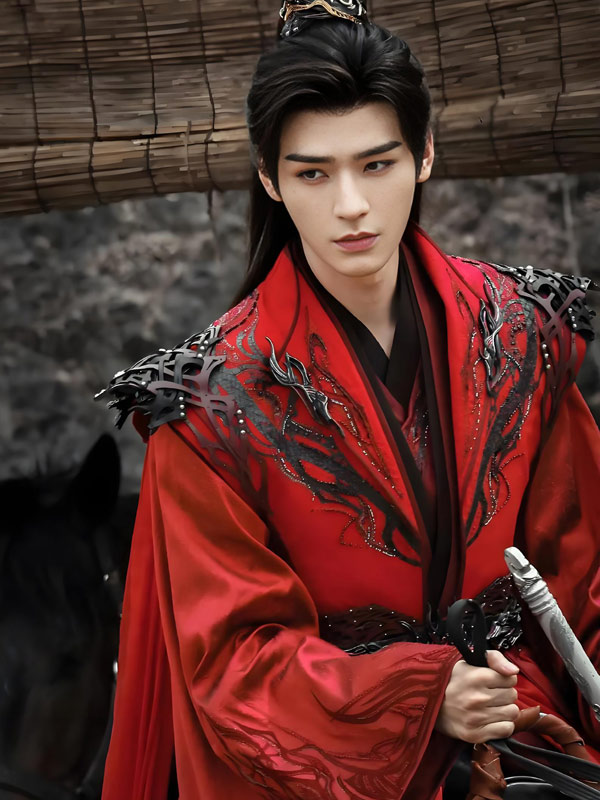
Director Yin Tao masterfully intertwines political maneuvering with kinetic action. Fight sequences transcend spectacle: Su Muyu’s blade dances amid moonlit courtyards, swirling fallen leaves like bloodstained snow. Combatants’ wide sleeves become lethal extensions of their bodies, merging elegance with lethality. The aesthetic leans into stark, desaturated palettes—frosted landscapes and torch-lit interiors heighten the pervasive dread. This visual language, paired with meticulously choreographed duels, resurrects the Wuxia tradition where every strike carries emotional and philosophical weight.
The narrative’s brilliance lies in its restraint. Romance remains peripheral, foregrounding instead the guild’s hierarchical brutality and characters’ psychological erosion. Oaths sworn in brotherhood shatter under pragmatic calculus, questioning whether survival in the jianghu demands sacrificing one’s soul.
Veterans Forging New Legends
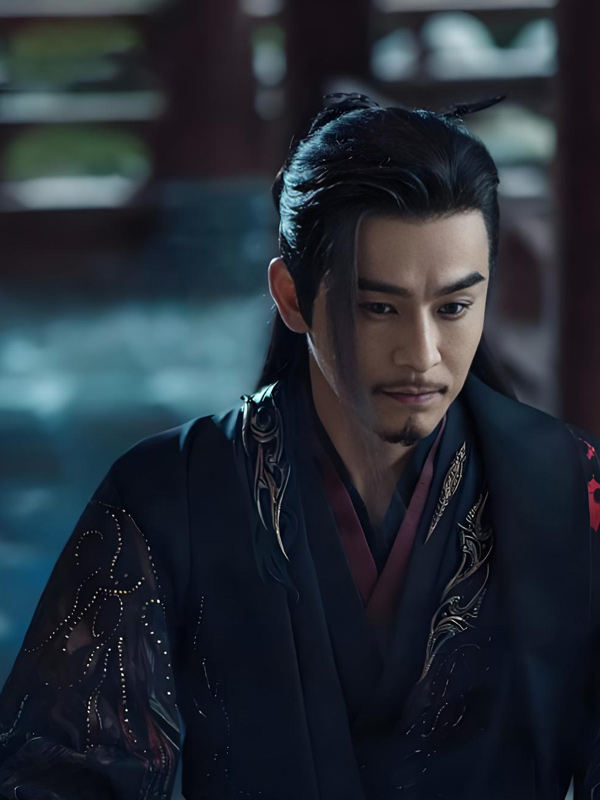
An He Zhuan leverages seasoned actors to anchor its morally complex world. Geng Le’s Patriarch exudes decaying authority through stillness alone—silver-haired and hawk-eyed, his throne room presence chills the screen. His performance suggests a lifetime of ruthless decisions haunting a dying man. Opposite him, Qiao Zhenyu delivers a career-redefining turn as Su Zhe (苏喆), a former leader dragged back into the fray. Clad in funereal black, Su Zhe’s grief over his daughter’s death fuels a terrifying, almost feral intensity. Qiao masterfully balances regal poise with volcanic rage.
Yan Yikuan (严屹宽), renowned as one of China’s "Four Beauties," reinvents himself as the deranged swordsman Jian Wudi. Obsessed with supremacy, his rooftop standoff radiates madness and grandeur. Supporting pillars like Hou Changrong (Su family head Su Jinhui) and rising stars Peng Xiaoran (彭小苒) deepen the ensemble’s gravitas. Each casting choice serves character depth over star power—Gong Jun’s (龚俊) stoic swordsman, for instance, hides vulnerability beneath icy discipline. This convergence of talent creates a tapestry where even minor roles resonate with lived-in authenticity.
Reigniting Wuxia’s Core Essence
Modern Wuxia often dilutes heroism into palatable romance, but An He Zhuan weaponizes the genre’s foundational themes. Its "jianghu" (martial world) is no backdrop for love triangles; it’s a Darwinian ecosystem where loyalty is currency and violence the lingua franca. The series revives the quintessential Wuxia question: Can one wield power without becoming monstrous? Su Muyu’s journey—protecting a fading patriarch while navigating viperous factions—mirrors this existential struggle.
The production’s commitment to practical effects and traditional choreography further distinguishes it. Fight directors prioritize spatial logic and character-specific styles—Su Zhe’s staff work feels brutal and pragmatic, contrasting with Jian Wudi’s (剑无敌) flamboyant blade flourishes. Costuming merges historical textures with symbolic touches; the Patriarch’s embroidered robes fray visibly, mirroring his crumbling control.
Ultimately, An He Zhuan succeeds by embracing Wuxia’s spiritual core: the clash between human frailty and transcendent ideals. Its unflinching portrayal of sacrifice, coupled with technical excellence, positions it not just as entertainment, but as a vital corrective to the genre’s recent drift. If broadcast hurdles are cleared, this could mark Wuxia’s long-awaited renaissance.