-

Quanzhou: The World Marine Trade Center of China
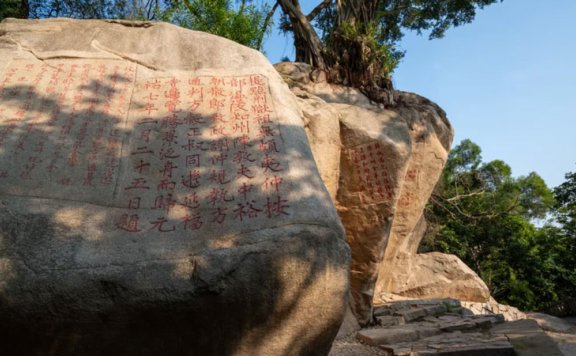
Quanzhou’s 22 UNESCO World Heritage sites aren’t mere ruins; they’re the beating heart of a 13th-century global trade metropolis where cultures converged like monsoon currents. When Marco Polo dubbed this port "Zaiton," he witnessed a city orchestrating maritime commerce from China to East Africa. The legacy lives in the moss-covered bridges where Arab traders once walked, the Taoist shrines where Song dynasty merchants prayed for fair winds, and the Islamic tombs whispering tales of Persian navigators. Each stone here is a page in humanity’s first playbook of globalization. Engineering Marvels That Defied Tides The Bridge Builders’ Legacy At Luoyang Bridge, engineers pioneered "raft foundations" and oyster-reinforced piers—medieval biotechnology enabling a 120-meter span across the roaring Luoyang River. Its "Moonlight Bodhisattva" carving still gazes seaward, guarding secrets of Song-era ingenuity. Nearby, Anping Bridge stretches five li (2.5 km), an engineering Everest using tide-assisted "floating beam" techniques. These arteries pulsed with silk and porcelain, linking hinterland kilns to waiting dhows. Ports That Tamed Oceans Shihu Dock’s trapezoidal stone platforms and Cizao Kiln’s dragon-shaped furnaces reveal an industrial ecosystem. Archaeologists uncovered Ming-era celadon shards beneath wharf stones—proof that docks doubled as bustling markets. At Zhenwu Temple, the 1533 "Devourer of Seas" stele looms…- 105
- 0
-
Public Restrooms in Quanzhou Become Cultural Canvases
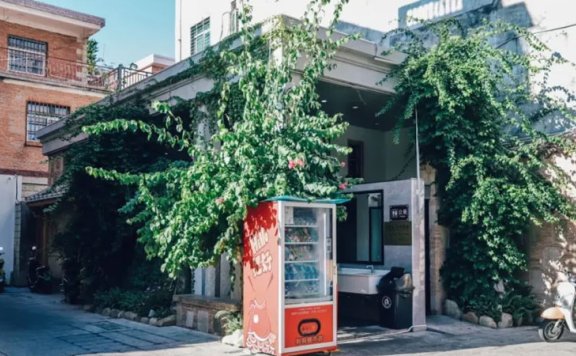
Nestled within the ancient alleys of Quanzhou, a city steeped in maritime Silk Road history, an unexpected transformation is unfolding. Far from mundane utilities, 11 newly renovated public restrooms have emerged as cultural landmarks, seamlessly blending heritage craftsmanship with modern functionality. These structures—scattered across historical districts like Kui Xia Lane and Guan Dong Lane—reimagine urban sanitation as a dialogue between past and present, proving that even the most utilitarian spaces can embody a city’s soul. Architectural Poetry in Brick and Stone The bathrooms in Quanzhou pay tribute to the traditional culture of Fujian Province with exquisite craftsmanship. In Kuaijiang Lane, the walls display "out brick into stone", an ancient technique that embeds recycled bricks and local granite into the earthen walls.Each irregular pattern tells a story of demolition and rebirth, with materials sourced from dismantled ancestral homes—their weathered surfaces bearing witness to centuries of history. Nearby, Guan Dong Lane’s facility features the iconic "yan wei ji" (燕尾脊, swallowtail ridge), a curved roof silhouette symbolizing Minnan architecture. Bamboo lattices adorn its facade, casting dappled shadows that merge privacy with ventilation. This design transcends practicality: sunlight filtering through bamboo creates a meditative interplay of light and texture, inviting visitors to experience nature’s…- 120
- 0
Quanzhou

Scan to open current page
-
$CouponsLimitation of use:Expired and UnavailableLimitation of use:
before
Limitation of use:Permanently validCoupon ID:×Available for the following products: Available for the following products categories: Unrestricted use:Available for all products and product types