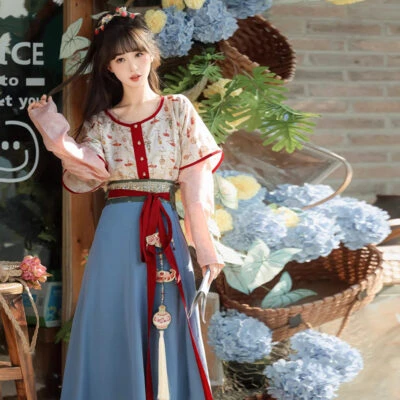
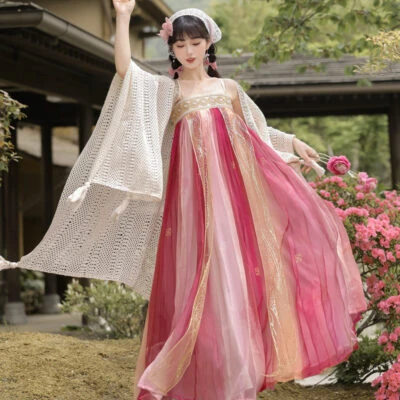
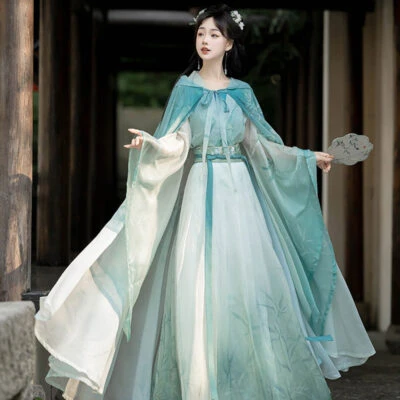
Shanghai Fashion Week’s “Oriental Xinzhongshi, Autumn 2026” edition opened on October 11 in the ground-floor hall of the east building at the Shanghai History Museum, running through October 13 with free public admission. The programme is guided by the Shanghai Municipal Administration of Culture and Tourism and the Oriental International Group, hosted by the museum with Shanghai Textile Fashion Industry Development, and supported by textile and apparel industry associations. It divides into three parts: an immersive exhibition of Eastern aesthetics, a set of brand shows, and a workshop area for craft sessions.
Thread Runs Through the East Building
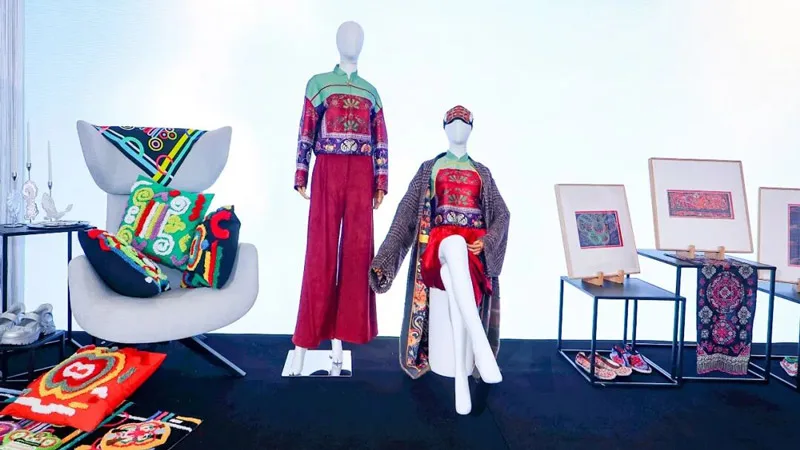
The core exhibition, titled Shengsheng Rujing (Emerging Into Form), sets fashion labels and artists inside a historic interior and puts clothing, furniture, jewellery and contemporary craft into one conversation. This season is built on the idea of thread: thread as the medium that carries symbol, image and civilisational memory across centuries. Cutting, folding, stretching and reconstruction turn cotton filament into plane, structure, light and space, so that the architecture, the crafts on display and the contemporary pieces read as one surface. Visitors walk the museum’s ordinary route through the entrance hall and meet the aesthetic anyway.
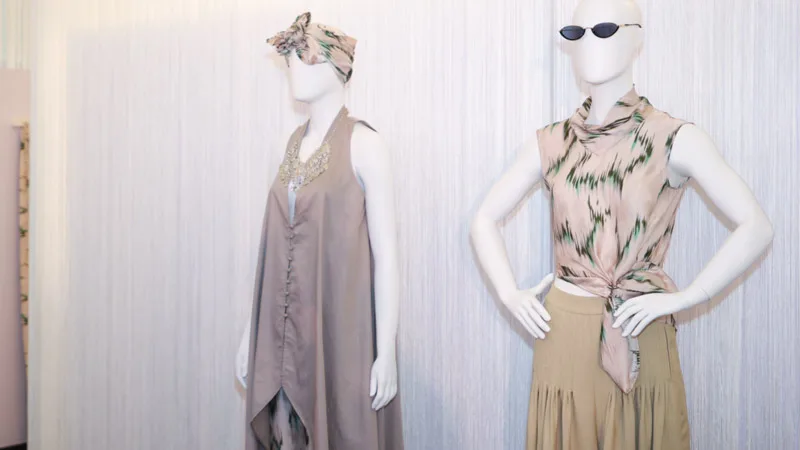
Textile and dress have been a long thread in Shanghai’s own history, and the exhibition pulls on it. The label yeega works with Kashgar Youmian under the title “Wind from Kashgar, East Seen in Dress”, staging the journey of a single cotton boll as it grows from a green bud into white fibre. Block-print stamps, Silk Road motifs and sand-date flowers are layered with the flowing geometry of Atlas silk, an argument for a wardrobe that is both coastal and Central Asian. Behind the fabric sits a pairing that is still running: Shanghai’s assisted development programme for Kashgar began in 2010, and the public cotton brand Kashgar Youmian, set up under it, launched in 2024. The collaboration writes itself into the clothes on the rail.
Beyond Clothing, a Roomful of Craft
Guizhou’s Qianjin takes minority techniques into contemporary cutting. Miao embroidery, Dong brocade, horsetail embroidery, batik and maple-sap dyeing are lifted out of their original formats and redrawn as patterns for modern garments; in its Zhijian (Woven Sight) series, traditional figures become print and old stitchwork becomes structure. Professor Li Wei of Tsinghua University’s Academy of Arts and Design shows a collection titled Li Wei, built on three lines: weaving in Song brocade and luo silk, dyeing drawn from plants, and embroidery worked by hand. Each technique keeps its own grammar while the silhouette stays current.
Away from clothing, the room turns to objects. The furniture studio PUSU shows lacquer pieces with hardwood carcasses, lacquer coatings and hand polishing, joined with mortise-and-tenon work that has not changed. The jewellery house Juepuxuan brings gold-and-jade inlay, in which fifth-generation inheritor Zheng Lianbo has developed two techniques he calls renjin (resilient gold) and maijin (buried gold), setting the two materials against each other in wearable pieces. Artist Tu Juan contributes “Fusion in an Explosion”, which sends Song-dynasty saggars, shattered porcelain and glass into the kiln together, where dense ceramic and clear glass push against each other and then bleed through.
Six Labels Take the Floor Over Three Days
Six Xinzhongshi labels present seasonal collections across the three days. yeega opens with Huayu Liuhong, or Flowers on the Islet in Pomegranate Red, drawing its narrative from the cotton fields of Kashgar and its surface from craft detailing and hand tailoring. Zhongyuansu shows under the title Xiru, centred on five-warp jiaoluo silk and silk-wool jacquard woven in Shuanglin, Huzhou. Qianjin brings Zhijian to the runway with a show set for 3 p.m. on October 12. Zhuangrong marks its twentieth year with a collection titled Nian Yu, or Twenty Years On. LILIMING carries Shanghai-style wool knitting into hand-made pieces, and the label Renjian Yanhuo by Amy Chu works with plant-dyed silk crepe and hand-formed three-dimensional pleating to give the qipao a new set of folds.
New this year is a workshop area running alongside the exhibition and the shows, where heritage labels and instructors lead hands-on sessions. The museum frames it as the middle ground between the static display and the live runway, a way of moving craft past being looked at. The museum first brought a fashion show into its halls in the autumn of 2025, and this edition extends the same idea. According to the museum, the longer aim is to deepen the integration of culture, commerce, tourism, sport and exhibitions and to run the building as a city living room that shares its brand with a wider set of partners.