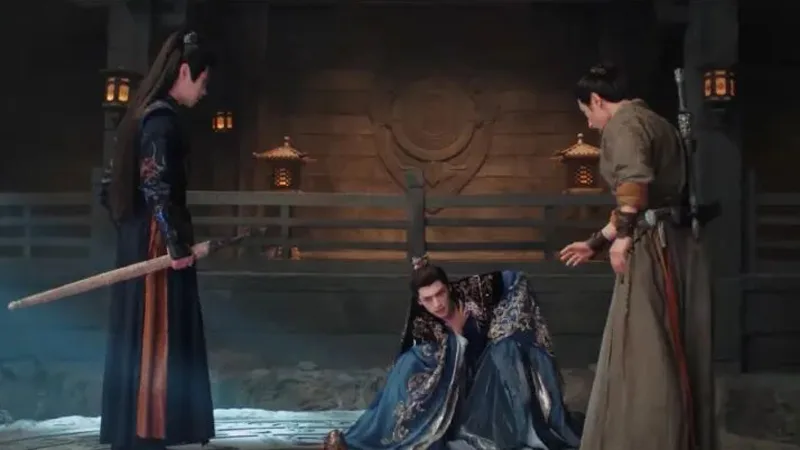
The last episode of Shadow Punisher (魅影神捕) did not feel like a tidy detective case. It grew into a defense of Dashi (大世) against Liluo (离罗). Li Si (黎斯) and his allies stood near Tianhuang City (天荒城), where an old Guili Array (归离大阵) had protected ordinary people for forty years. If that array failed, demonic soldiers could wake and march. The finale made viewers cry because victory came with funeral songs, not fireworks. Every cheer arrived with a name missing. Every sword swing carried a private goodbye.
No Clean Win
Qiangong Linglong (千宫玲珑) was almost impossible to kill. Li Si, Yan Cheng (严成), and Meng Rui (蒙锐) pretended to surrender. They destroyed the Five-Color Stone, letting Liluo believe Li Si had joined them. It was a dangerous stage play. One wrong glance, one trembling hand, and the whole plan would collapse. The trick bought time, but it also woke a larger war. Fans watched with tight chests because every character knew the cost. They were not chasing glory. They were buying one more dawn for strangers.
Bai Zhenzhu (白珍珠) found Meng Rui and carried the Liangtian Ruler (量天尺) into the Karst Cave. There, they rebuilt the Five-Color Stone and returned it to the array. Without that stone, Dashi’s last shield would become a story told by ghosts. Yan Cheng rode with a letter for Prince Ping (平), asking him to lead troops against the demon army. Each task looked small on paper. Each task carried the weight of a nation. No one asked whether the mission was fair. They asked only who could still stand.
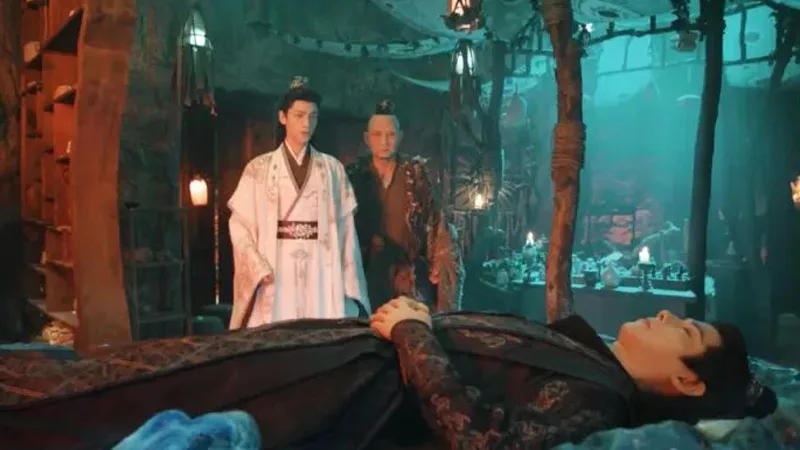
Then the masks fell. Li Si and Qiangong Linglong fought without tricks. Yan Cheng joined, but his arm was cut away, and he died. At the Shenbu Bureau (神捕司), Lou Tianming (楼天命) brought demons to slaughter everyone. Xuanyuan Shan (轩辕善), believed dead, returned and held the line. He killed Lou Tianming, yet the bureau became a house of wounds. Desks were broken. Doors were red. The people who once solved crimes now fought a war inside their own home. No promotion, no medal, no poem could match that room.
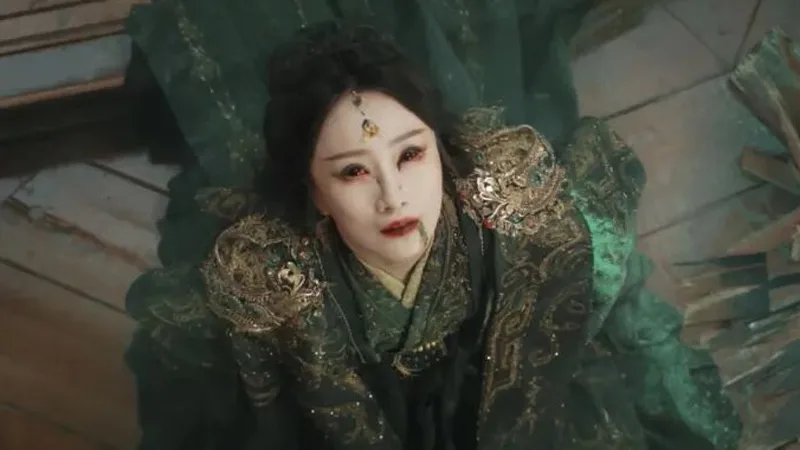
Qiangong Linglong followed. Xuanyuan Shan took a fatal blow while saving Bai Zhenzhu. Li Si and Meng Rui killed the old monster together. The cost? Friends in blood, a broken headquarters, and a city that would never know how close it came to ruin. This was not a clean win. It was survival with scars. The finale did not pretend that sacrifice is beautiful. It showed sacrifice as heavy, awkward, and permanent. That honesty is why so many viewers cried.
Duty and Sacrifice
Xuanyuan Shan’s last words broke viewers. He had kept his promise to Bai Zhenzhu’s father, the old grand secretary. He had kept his promise to the emperor by guarding the Shenbu Bureau. He told Li Si to give his token to Prince Ping and to remember duty. “Once in the Shenbu Bureau, even a hundred deaths bring no regret.” That line turned a detective show into a memorial. It also explained why these people kept walking into danger. They were not fearless. They were faithful.
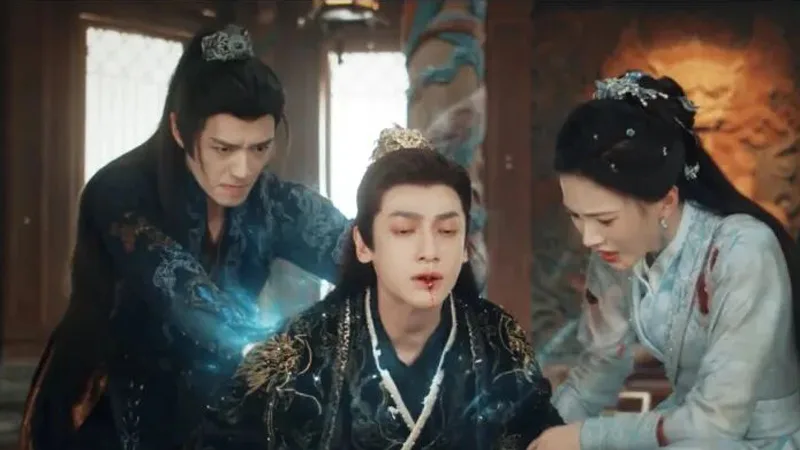
Li Si’s Chiying Bug Poison (翅萤虫毒) flared again. Meng Rui’s Canglang Fu (沧浪赋) could cure it, but the cure demanded his own life. He did not pause. He did not bargain. He chose his brother. Their friendship had been built in cells, ambushes, and silent rescues. When the moment came, words were useless. Meng Rui simply acted. The scene did not need a long speech. A look, a breath, and a decision said more than any battlefield declaration. That is the kind of loyalty that leaves a hole in the audience.
The show left a thin hope that Meng Rui might live, though it never showed a clear rescue. That tiny door mattered. Grief needs air. If he died, his choice was heroic. If he lived, his choice still cost him something invisible. Fans clung to that ambiguity because the finale had already taken too many names. Yan Cheng, Xuanyuan Shan, and countless bureau members had already paid. Letting Meng Rui survive would not erase the pain. It would only remind viewers that some debts are repaid in quiet ways.
In the end, Li Si took over the Shenbu Bureau for his aunt. He asked the new emperor to honor the fallen and to let the bureau serve ordinary people again. The story closed with duty passed to the living. The dead were not forgotten. They became the reason the work had to continue. Shadow Punisher may be a costume mystery, but its finale spoke about invasion, brotherhood, and public service. History, it suggests, is carried by people who choose to stand when running would be easier.