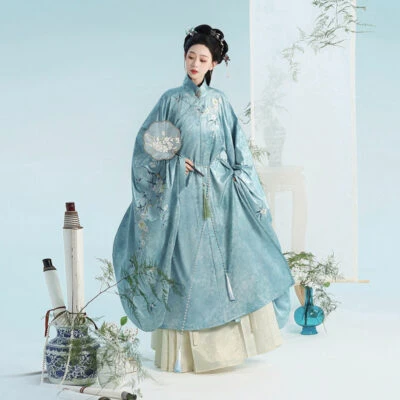
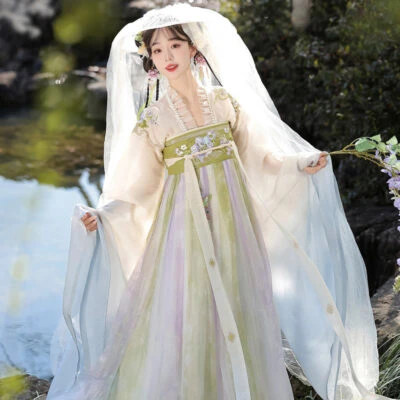
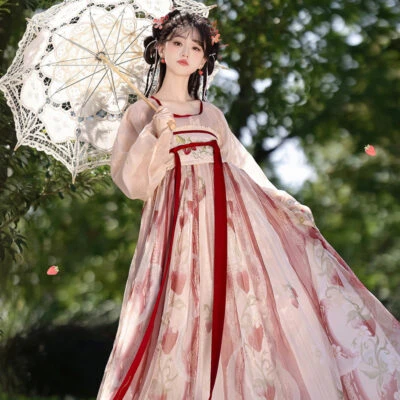
Three fabrics carried the opening night, and each behaved differently under the lights. Yunjin brocade threw back the light in shifts of colour, Song brocade read as a quieter weave, and Xiangyunsha, the gambiered Cantonese gauze, absorbed it and stayed matte. The show ran on October 8 in the Sun Palace hall beside Xuanwu Lake, opening the 15th Nanjing International Fashion Week, which runs through October 15.
Two venues work the edition at once, an indoor stage in the Sun Palace and a real-scene outdoor runway at the lake, under the theme of trends gathering in Jinling and fashion regenerating. Its stated intention is to place the city’s thousand-year textile inheritance next to international design rather than behind glass.
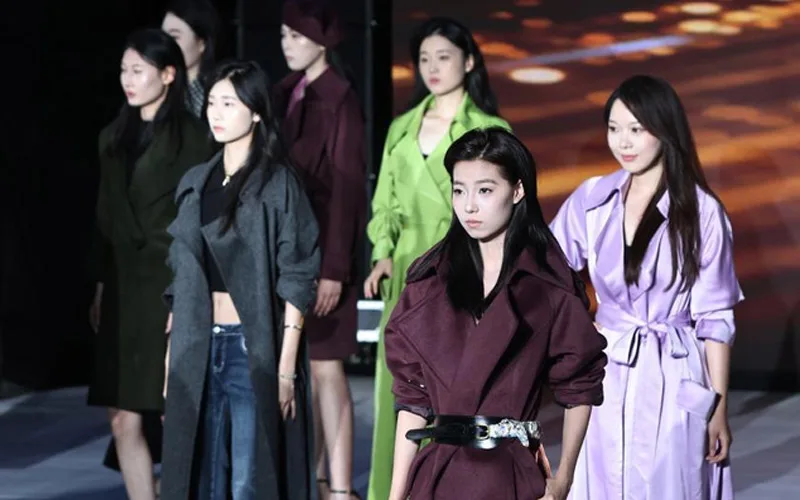
Three Fabrics, Three Registers on One Runway
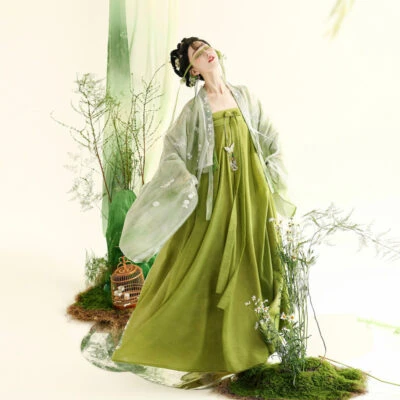
Opening night went first to Shiyasiman, a label working in Eastern light luxury womenswear, where the interest was in fabric weight and a clean cut rather than in print. The midpoint belonged to Nuojinxi, a Nanjing label that starts from the city’s own Yunjin brocade and extends the idea into Song brocade garments and a Xiangyunsha line. On the runway the three materials read as three registers of the same idea, and models moving at a normal pace kept the emphasis on the cloth rather than on staging.
Nuojinxi also built a display area beside the runway, where the same fabrics were laid out as garments for visitors to handle. That decision matters more than it sounds: brocade and gambiered gauze are sold on texture, and a buyer who cannot touch them is being asked to take a photograph’s word for it.
Closing the opening night was Deng Zhaoping, winner of the Golden Top Award, China’s highest fashion design prize, and head of the Guangzhou Fashion Designers Association, who brought an autumn and winter collection. Her pieces work traditional weaving into ready-to-wear through surface texture, cut and colour rather than through applied ornament. Traditional Chinese weaving, she said, is a treasury Eastern design keeps drawing on, and Nanjing’s brocade carries a thousand years of that attention. She framed design as the bridge that lets an old craft leave the museum and enter ordinary life, and called the week a useful stage for designers working from local culture. As a participant in the four-city fashion alliance linking Guangzhou, Wuhan, Chengdu and Nanjing, she argued that cross-regional resources could be shared in talent, brand links and design.
Inside the Opening Night Cast
A national call assembled the cast. Organisers screened candidates across the country and selected 120 models for the opening show, dressed by a list that mixes established houses with newer names and with regional dress: Jin Jiandao, Congrong, Jiang Shuo, Adidas, Siyong with Tibetan dress, Sangji Huanmei with Mongolian dress, Jinshang Yuyi, Wei Design, Yujing Yunjin and Yiqinhuai.
Across the eight days the programme carries more than 20 brand shows, spanning neo-Chinese dress, formal evening wear and trend-led ready-to-wear, with an industry forum, a model showcase and salon sessions attached. The closing show is to be presented by Li Wei, a professor at Tsinghua University, drawing on pieces from her collection. The organisers also keep a public-facing strand with charity shows, an international model contest and a training session for model instructors.
Yang Xiaodong, full-time vice president of the China National Garment Association, tied the week to the sector’s own language. Nanjing, he said, combines a deep historical base with the apparel cluster of the Yangtze River Delta, and this edition lines up with the industry’s direction of technology, fashion, green practice and health by joining brocade weaving to contemporary design and by giving original local talent a platform. He described the week’s cross-sector links into tourism as a way of pushing Guochao innovation towards production rather than towards a single season’s publicity.
What the Organisers Want From Eight Days
After 15 editions the organising committee treats the week as an established fashion property in the delta, and calls this year’s keyword regeneration. In practice that means three commitments: pushing Yunjin brocade and traditional embroidery into contemporary use, keeping sustainable design in the programme, and holding open a stage for groups usually left out of commercial showcases, with dedicated runs for child and older models alongside the industry-facing shows.
Dai Yulei, chairman of Guochao Liuxing (Nanjing) Culture Technology and founder of the fashion week, put the ambition in terms of the city. The week, he said, stays rooted in Nanjing, uses fashion as a link to draw out the city’s cultural depth, and works at renewing intangible heritage and developing original design. He added that he wants the platform to keep pushing fashion and tourism into the same economy, and to be useful to designers and brands from beyond the region as well as inside it.