-

7 Actresses Who Transformed the Cheongsam in Cinema
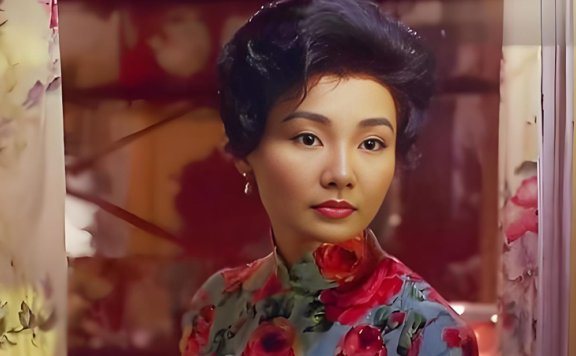
The cheongsam, with its high collars and sinuous lines, transcends mere attire—it becomes a canvas for storytelling. In Chinese cinema, this iconic garment amplifies character depth, historical nuance, and feminine power. Beyond fabric and stitch, it embodies restraint and rebellion, tradition and transformation. These 7 actresses didn’t just wear cheongsam; they breathed life into its legacy, each carving a distinct niche in cultural memory. From repressed longing to regal defiance, their performances prove that true elegance lies in nuance. Maggie Cheung (张曼玉) In In the Mood for Love (花样年华), Maggie Cheung’s 23 cheongsams function as emotional armor. Each hue—emerald, ruby, obsidian—mirrors suppressed desire in 1960s Hong Kong. Her posture, rigid yet fragile, turns fabric into a language of solitude. When she lowers her gaze, the rustle of silk echoes louder than dialogue. This isn’t costume design; it’s visual poetry, where cloth cages a storm of yearning. Cheung’s genius lies in minimalism. A fingertip tracing a teacup’s rim, a hesitant step down narrow stairwells—every gesture is amplified by the cheongsam’s constraints. Director Wong Kar-wai used its structure to mirror societal pressures, transforming fabric into a metaphor for unspoken rules. The result? A performance where silence screams through sequins. Tang Wei (汤唯)…- 211
- 0
-
Where Crime Drama Meets Living History on Zhaopu Road
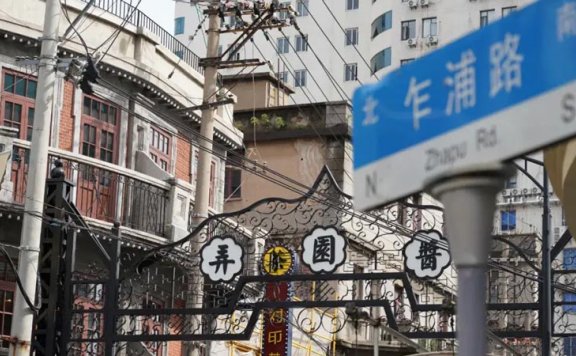
When Zhang Ziyi (章子怡) stepped onto the Shanghai International Film Festival red carpet, she didn’t just promote her latest film She's Got No Name (酱园弄); she invited the world into its hauntingly authentic backdrop: Zhaopu Road. This historic street in Hongkou District, meticulously restored to mirror 1940s Shanghai, has transcended its role as a film set to become a cultural time capsule. As Zhang’s on-screen journey through Shanghai’s complex female narratives unfolds, Zhaopu Road emerges as a tangible bridge between cinematic artistry and urban heritage - a place where flickering neon signs and cobblestone alleys whisper tales of resilience and reinvention. Film Set Reborn Zhaopu Road’s metamorphosis began in earnest last September, when its "replica-reality" renovation debuted. Designers adhered to a "repair the old as old" philosophy, resurrecting every faded brick and vintage storefront to match archival photographs of Republican-era Shanghai. At its heart stands the restored Victory Cinema, an Art Deco landmark whose geometric facade anchors the streetscape. Around it, retro shop signs - "Ruyi Silk Emporium," "Double Happiness Teahouse" - hang beneath wrought-iron street lamps, casting shadows that dance like celluloid frames across weathered walls. The street’s authenticity isn’t merely cosmetic. Artisans sourced reclaimed wood for store counters…- 99
- 0
-
Jiangyuan Nong Group Portrait Poster Revealed
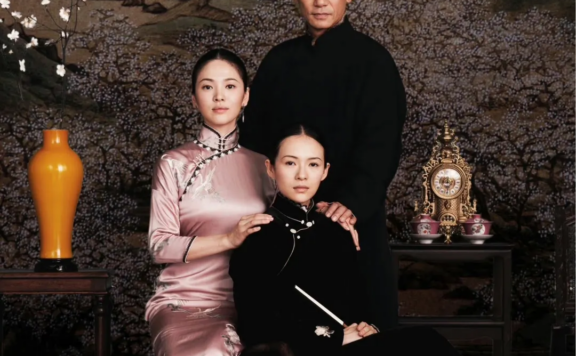
After the Spring Festival in 2025, the movie market has been lackluster. Whether it's short holidays like Tomb - Sweeping Festival and Dragon Boat Festival or the five - day May Day holiday, there have been few good movies. As half of 2025 has passed and the summer movie season is approaching, the first part of the suspense drama Jiangyuan Nong (酱园弄), directed by Peter Chan and starring popular and powerful actors such as Zhang Ziyi, Lei Jiayin, and Wang Chuanjun, was officially released nationwide on June 21. From the preview screening to the official release in just a few days, the movie has gained significant popularity. The Founding of a Republic Jiangyuan Nong is known as the suspense version of The Founding of a Republic. It not only has Zhang Ziyi and Lei Jiayin in leading roles but also features well - recognized powerful actors like Wang Chuanjun, Mei Ting, and Fan Wei as supporting roles. With the support of high - profile stars such as Li Xian, Jackson Yee, Zhang Zifeng, and Xie Na, the movie has attracted much attention from its inception to filming and later promotion. Especially, it's rare for Yang Mi and Zhao Liying, two…- 94
- 0
-
The Master of Gong Er's Beijing-style Cheongsams
"There is a Western writer (was it Bernard Shaw?) who once complained that most women choose their husbands far less attentively and carefully than they choose their hats. Even the most heartless woman speaks with affection when she talks about 'that brocade-lined robe from last year.'" This passage is from Eileen Chang's Record of Changing Clothes, with Ms. Chang's usual sharp and incisive writing style and unique perspective. Women's love for clothes seems to be innate. The colors, patterns, and styles of clothes are not only a source of beauty in women's lives but also reveal the diverse and rich inner worlds of their souls. For women, clothes not only enhance and reflect beauty but also relate to a person's deeper inner operating rules and aesthetic creative desires. In other words, they are the visible external features of a person's inner self. This is true for people, and even more so for a film with extremely high artistic value. For a director like Wong Kar-wai, who has an almost extreme pursuit of audio-visual language, women's clothes are the second language in his films. So, in In the Mood for Love, the cheongsam is the most direct manifestation of Su Lizhen's…- 167
- 0
Zhang Ziyi


Scan to open current page
-
$CouponsLimitation of use:Expired and UnavailableLimitation of use:
before
Limitation of use:Permanently validCoupon ID:×Available for the following products: Available for the following products categories: Unrestricted use:Available for all products and product types