Set in Huizhou (徽州) during the Ming Dynasty’s Jiajing (嘉靖) era, this drama follows ink-making families locked in a deadly race for imperial favor. Luo Wensong (骆文松), a master craftsman obsessed with his art, seems to lose everything when his family is raided and a fire destroys his life’s work. Yet beneath the ashes lies a different truth: the blaze that consumed him also freed him from a world he never truly belonged to. While most viewers saw tragedy, a closer look reveals that Luo Wensong’s story ends exactly as he would have wanted—alone, but complete.
The Obsession
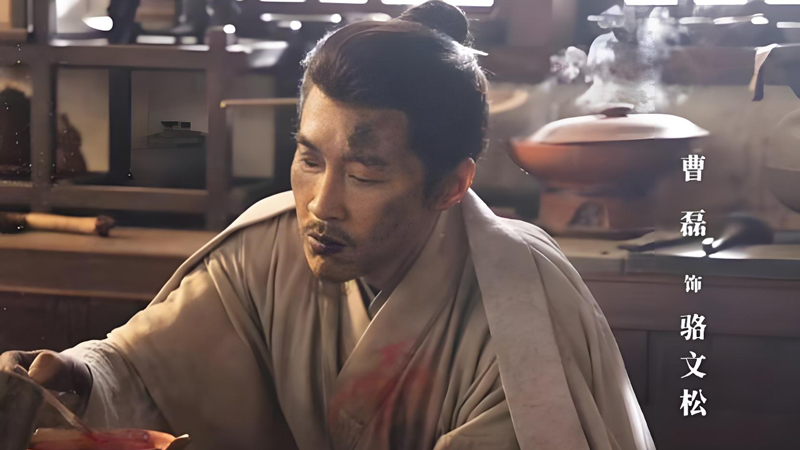
From the very first contest of tribute ink, The Mo (家业) makes it clear that four great families dominate Huizhou’s ink trade: Luo, Li, Chen (陈), and Pan (潘). Among them, Luo Wensong stands apart. He does not chase power or wealth. On the Mid-Autumn Festival, while his relatives feast under the moon, he grinds pine soot and mixes glue. When officers arrive to seize the Luo estate, he barely looks up from his mortar. His hands keep moving, shaping ink paste into molds, because for him, making ink is not a job—it is breathing.
Why did every family fight for the right to produce tribute ink? The answer lies in the emperor himself. During the Jiajing years (1522–1566), the ruler abandoned court duties to pursue immortality. He demanded Qing Ci (青词), ornate prayers written on fine paper for the gods. The imperial household consumed massive amounts of the four treasures of the study: brush, ink, paper, and inkstone. Whoever won the tribute ink contract won a direct pipeline to the throne, and with it, endless money and political protection.
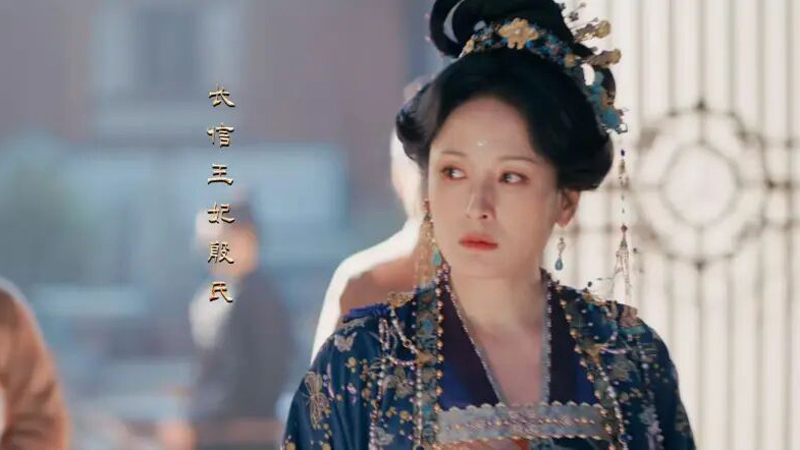
But that protection came at a price. Two factions tore the court apart—the Yan clique and the upright officials. Most ink families, including the Luos, latched onto the Yan party for survival. Luo Wensong’s younger brother, Luo Wenqian (骆文谦), was sent to the capital as a child to study for civil service exams, a clear sign of the family’s political ambitions. In contrast, the Li family stayed clean. That decision later saved them when a fire broke out at the ink depot. Without allies in court, the Lis could not investigate the arson, but they also had no enemies to frame them. They survived prison. The Luos, tied to the fallen Yan faction, faced complete ruin.
The Fire
When the Yan clique collapsed, the Luo family home was marked for seizure. Luo Wensong’s father arranged for his two sons to flee under false names. The younger brother escaped. Luo Wensong did not. Not because he was caught, but because he chose to stay. He had just perfected a new ink formula. That night, as flames devoured the workshop, he held the finished ink sticks and the secret recipe close to his chest. He made no attempt to run. The fire was set by a man named Tian Benchang, who had been entrusted with the Luo family’s assets during the crisis. The Tians were former servants who grew rich on the Luo’s back, yet greed consumed them like the flames they lit.
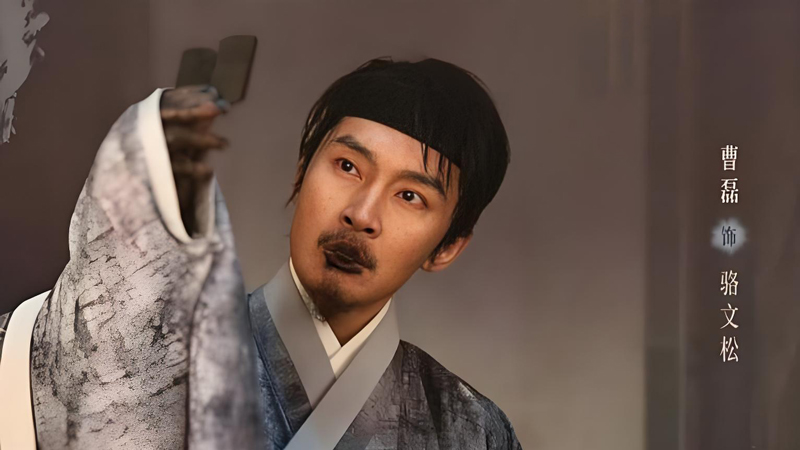
Luo Wensong knew the Tian family’s character. He had seen how Tian Huai’an (田槐安), the father, schemed to annihilate the Luo name. He had watched Tian Benchang, the son, nurse hatred for years. But knowing a viper’s nature does not always mean you can dodge its strike. When the fire started, Luo Wensong could have saved himself. Instead, he led the pursuers away from his aunt, Luo Mengzhen (骆梦真), who later survived under the alias Li Choupo (李丑婆). That was his final act: not fighting for his own life, but trading it for someone else’s.
Some viewers call Luo Wensong a fool—an ink-addicted loner who let his family’s legacy burn. But look closer. He never sought wealth or status. He despised the political games his relatives played. The only thing he loved was the craft itself: the feel of soot between his fingers, the smell of musk and camphor, the slow miracle of a liquid suspension turning into a solid that could last a thousand years. When the Tian family forced him into their workshop, he treated them with brutal honesty because they had no respect for the art. To them, ink was just a product. To him, it was a religion.
The Legacy
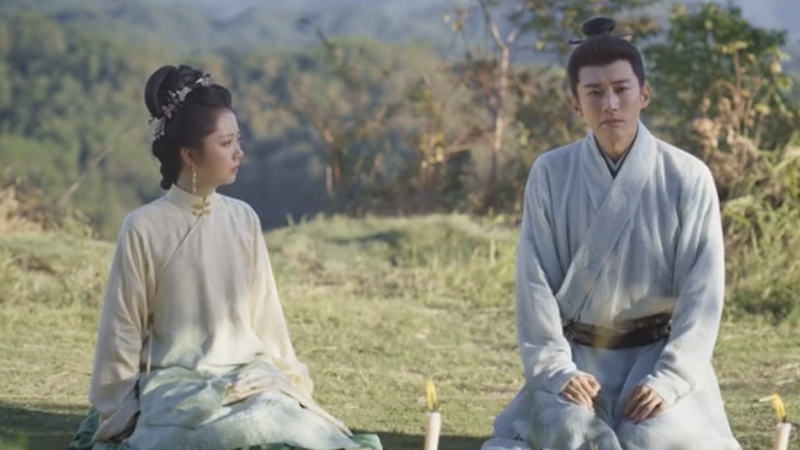
Before his death, Luo Wensong gave his most treasured possession to Li Zhen (李祯), a young woman he barely knew. He had met her during a gambling match over ink quality. She was the only person who saw his obsession not as madness but as devotion. When she made her first ink stick, old masters rated it as low-grade. But Luo Wensong tasted it, wrote with it, and declared in public that her heart was truer than anyone’s. That recognition meant more to him than any imperial title.
What did Li Zhen do with that gift? She did not let it gather dust. Three years later, she mastered a skill that even Luo Wensong had only dreamed of: blindfolded soot-burning to produce flawless ink stones. His techniques lived on through her hands. His lost formula, which he took into the fire, was reborn in her workshop. His aunt, disguised as a poor old woman, stayed by Li Zhen’s side as her secret teacher. In this way, Luo Wensong’s ideal was never extinguished—it just changed vessels.

The fire that killed Luo Wensong also burned away his chains. He no longer had to manage a corrupt family, serve greedy patrons, or tolerate the Tian family’s treachery. He died doing what he loved: protecting his art. No wife waited for him. No child called him father. But a young woman who shared his fire picked up where he left off. That is not a tragedy. It is a perfect ending for a man who lived awake in a dream and died without regret. The ashes settled, but the ink never stopped flowing.