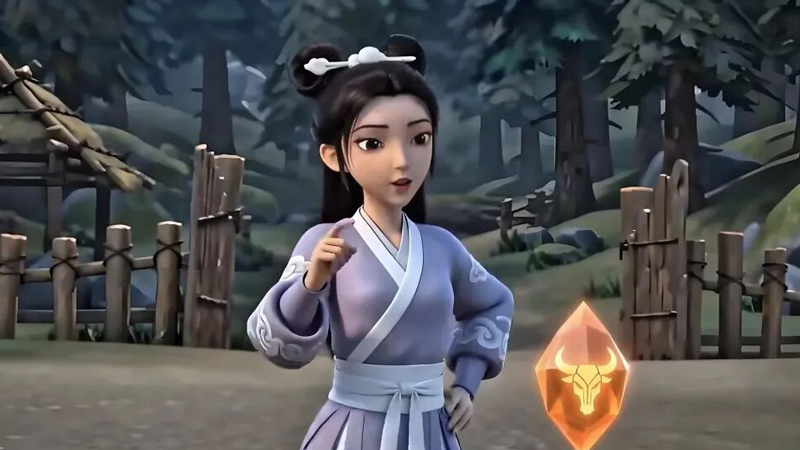
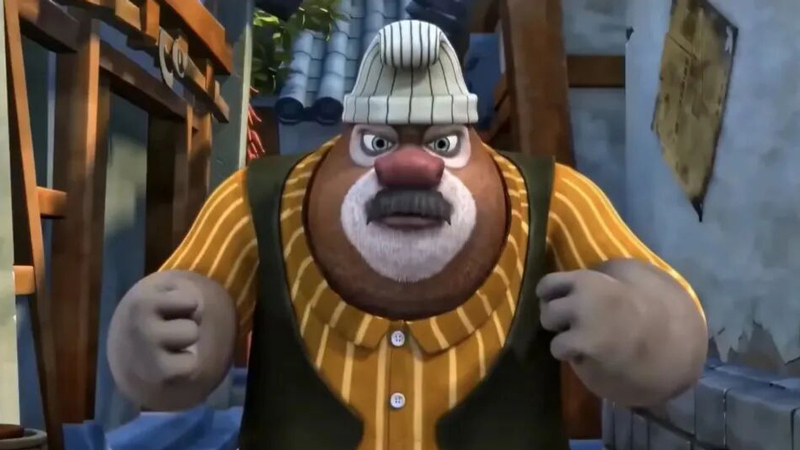
When a fan-made animation, Xiong Ren Xian Zhuan (熊人修仙传), was taken down due to a copyright complaint, it didn't just disappear from the internet—it ignited a firestorm. Netizens erupted, flooding social media with accusations of pettiness directed at the official team behind the beloved franchise Xiong Chumo (熊出没), known internationally as Boonie Bears.
This wasn't just about a video being removed; it became a national debate about the delicate balance between protecting intellectual property and nurturing the fan passion that keeps an IP alive. At the heart of the storm is a simple question: when does a loving tribute cross the line into copyright infringement, and who is really in the wrong?
When Fans Become World-Builders
The now-viral series was the brainchild of a creator known as "Blockbuster Editor." It ingeniously reimagined the cheerful world of Boonie Bears through the lens of Xianxia (仙侠), a genre of Chinese fantasy involving immortal heroes and martial arts. In this new universe, the hapless logger Vick is no longer cutting trees; he is a disciple with a "pseudo-spiritual root" trying to rise through the ranks of a cultivation sect. The bears, Briar and Bramble, are transformed into mystical beast guardians, protecting their forest home from demonic invasion.
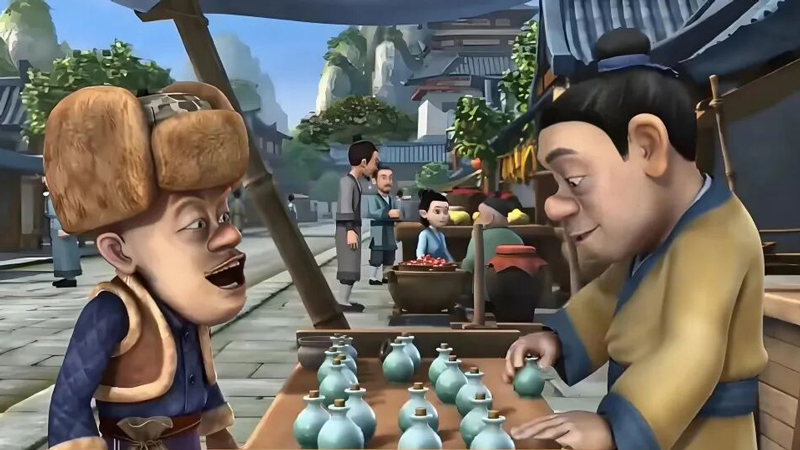
It was a creative remix that perfectly captured the audience's imagination. By blending the nostalgic, familiar characters with the popular tropes of cultivation stories, the fan-made series struck a deep chord. It wasn't a simple clip compilation; it was a full narrative reboot, complete with the original art style and voice acting. Viewers were captivated by Vick's underdog journey, and the series amassed millions of views overnight. Even an official writer for Boonie Bears reportedly praised it, confessing they "wanted to binge-watch it." The fan creation had not only honored the original but had expanded its world in a way that felt fresh and exciting.
The Clash of Nostalgia and the Law
Just as the fifth episode dropped, everything vanished. The creator cited "force majeure," and fans instantly pointed fingers at the copyright holder, Huaqiang Fantawiki (华强方特). The backlash was immediate and vicious. To the public, this was a clear case of a heartless corporation crushing a fan's passion project. They argued the work was non-commercial, made purely "with the power of love," and served as free advertising that brought new audiences to the Boonie Bears IP. Why would the company attack its biggest fans?
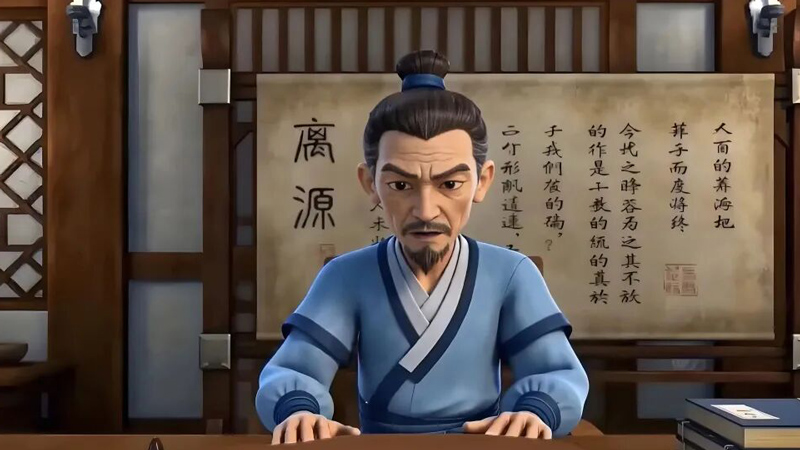
However, from a legal and brand-protection standpoint, the situation is more nuanced. Xiong Ren Xian Zhuan was not a typical fan edit. It wasn't a five-second meme or a funny clip of Briar driving a luxury car. It was a complete, serialized story that used copyrighted characters, settings, and audio to build a new, independent work. This legally constitutes a derivative work that requires authorization. Furthermore, Boonie Bears is a preschool-oriented brand built on wholesome, family-friendly values. The Xianxia version, while not vulgar, introduced combat and darker fantasy elements that conflict with the official IP's identity. Allowing such a major reimagining to flourish could set a precedent, potentially leading to more extreme adaptations that could confuse its core young audience and dilute the brand's carefully crafted image.
Charting a Future for Shared Worlds
The outrage from netizens is, at its core, a form of grief. They weren't just angry about a deleted video; they were mourning the loss of a story that made them feel connected to their childhood. The fan-made series filled a gap, offering a mature take on characters they loved when the official content felt too slow or simple. It was a crowd-sourced dream that made the IP feel alive and evolving. To see it erased felt like a betrayal of that shared passion. But as much as we cherish nostalgia, it cannot override copyright law. Passion cannot legitimize infringement.
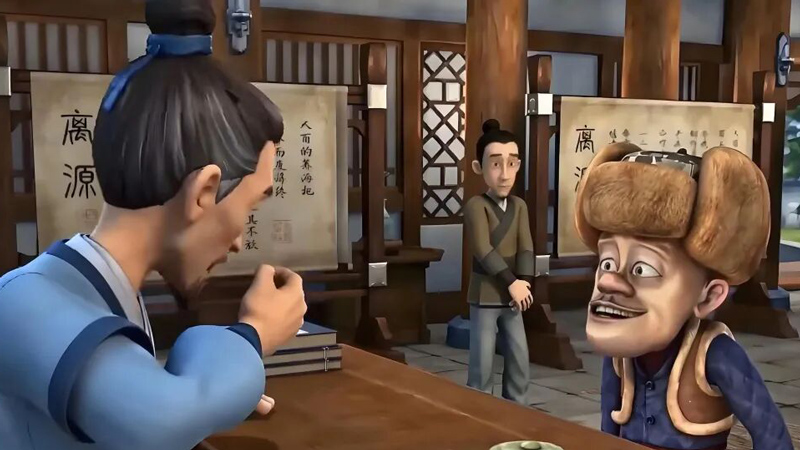
This controversy highlights a growing tension in the entertainment industry. It proves the incredible vitality of the Boonie Bears IP and the audience's hunger for more diverse storytelling. Instead of a battle between "us" (the fans) and "them" (the corporation), this moment could be a catalyst for a better relationship. Perhaps it’s a sign for Huaqiang Fantawiki to consider official channels for fan creations, like contests or licensed spin-offs, that allow creativity to flourish without threatening the brand. The path forward isn’t about choosing sides between law and love, but about finding a way for them to coexist. The question remains: can the industry learn to build bridges with its most passionate creators, or will these clashes continue?