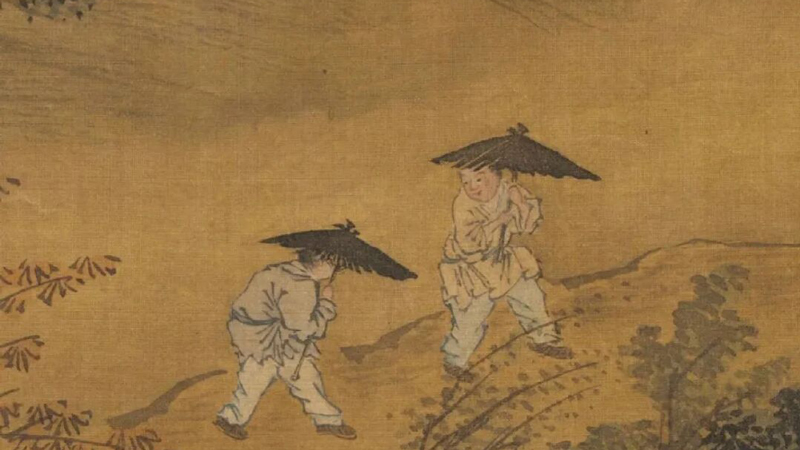
Have you ever felt that no two rain showers are the same? In China, this feeling is taken quite literally. Ancient scholars didn't just see rain; they perceived a universe of moods, each with its own unique name. These weren't scientific terms, but poetic labels like "Silver Bamboo" for a downpour or "Light Silk" for a mist. They reveal a culture that found personal meaning in every drop, inviting us to see weather not as a forecast, but as a feeling. Let's step into their world and discover the name of the rain that might be falling on you right now.
1. Qing Si (轻丝)
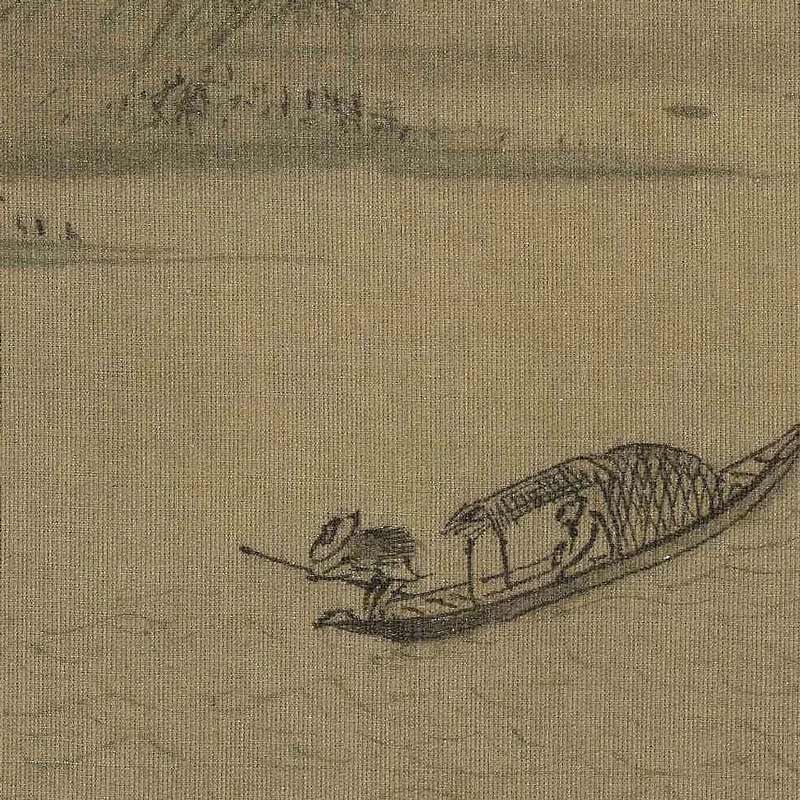
The lightest touch of rain is called Qing Si, which translates to "Light Silk." It's the rain you don't see, but feel—a fine, silky mist that gradually dampens your clothes without you ever noticing it start. It moves like a breath, not a storm. The poet Zhou Bangyan (周邦彦) of the Northern Song Dynasty captured this delicate moment perfectly. He wrote of morning clouds lightly scattering this "light silk" over a pavilion, creating a spring scene so subtle it barely announces itself. It's the rain of quiet moments and half-dreamt thoughts.
2. Lian Xian (廉纤)
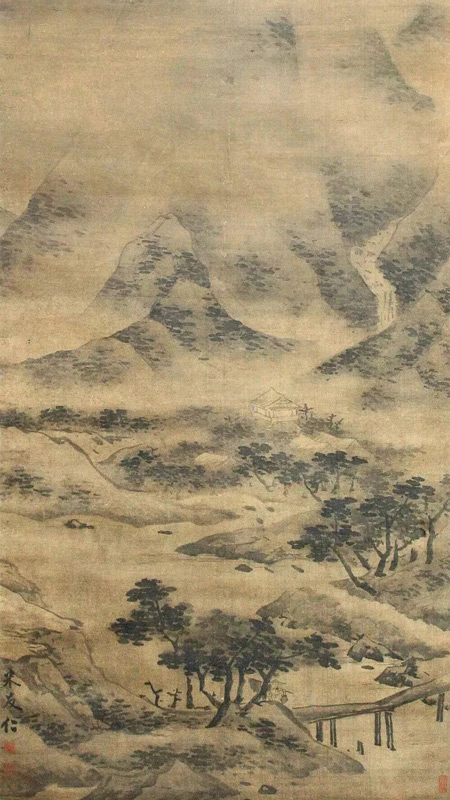
If "Light Silk" is rain that vanishes, Lian Xian is rain that lingers. The name itself implies something fine and subtle, a patient drizzle that doesn't rush. It's the kind of rain that can fall all evening without any intention of clearing up. The Tang dynasty poet Han Yu (韩愈) wrote about this very scene, where the "Lian Xian" evening rain refuses to let the sky clear, and from the grassy pond banks, the earthworms can be heard singing. It's a rain that seems to have its own gentle will, settling in for the long haul.
3. Qi Shui (奇水)
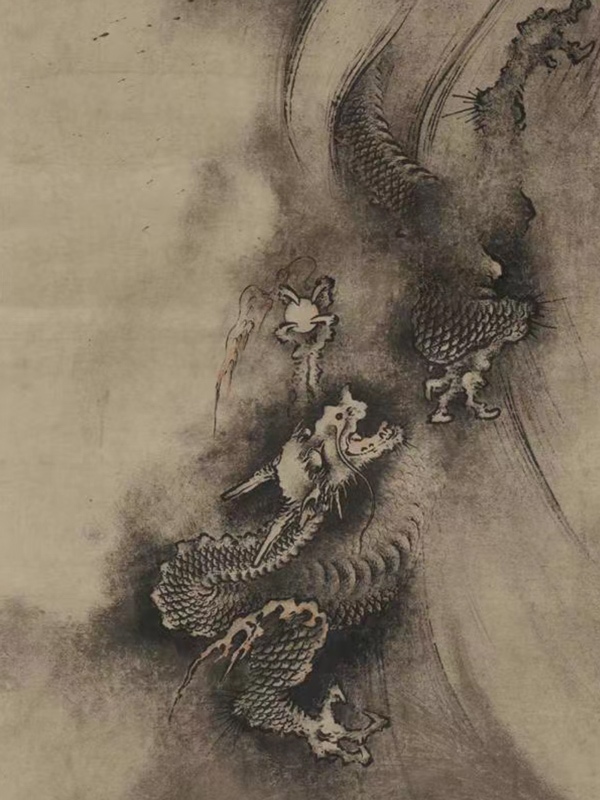
Then there is rain so mysterious it was named Qi Shui, or "Wonder Water." This name was reserved for a rare phenomenon: rain falling from a clear blue sky. According to the Song dynasty text Qing Yi Lu (清异录), rain that arrives without clouds is no ordinary event. It was seen as something beyond the natural order, not the work of the rain-giving dragons of myth, but a divine and enigmatic gift. It’s the rain that makes you look up in surprise, finding no explanation in the heavens above.
4. Mai Mu (霡霂)
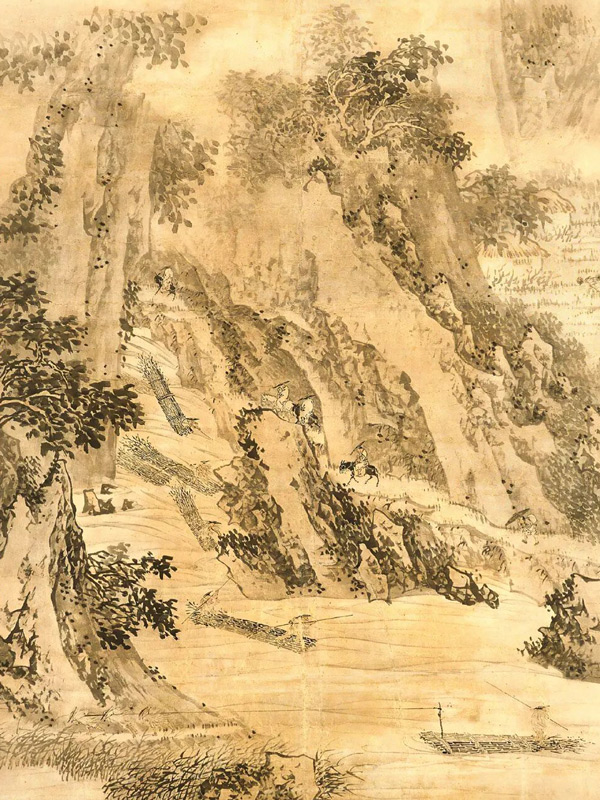
Imagine the softest patter, so gentle it barely whispers. That is Mai Mu, a name for a fine, continuous rain. It sounds like what it describes: the quiet, life-giving soak of a steady shower. The poet Bai Juyi (白居易) of the Tang Dynasty once contrasted human effort with this natural grace. He noted that ten days of manual watering could not compare to a single day of "Mai Mu." It is rain as the ultimate gardener, quietly waking the seeds and washing the world in a fresh, crystal light.
5. Jia Shu (嘉澍)
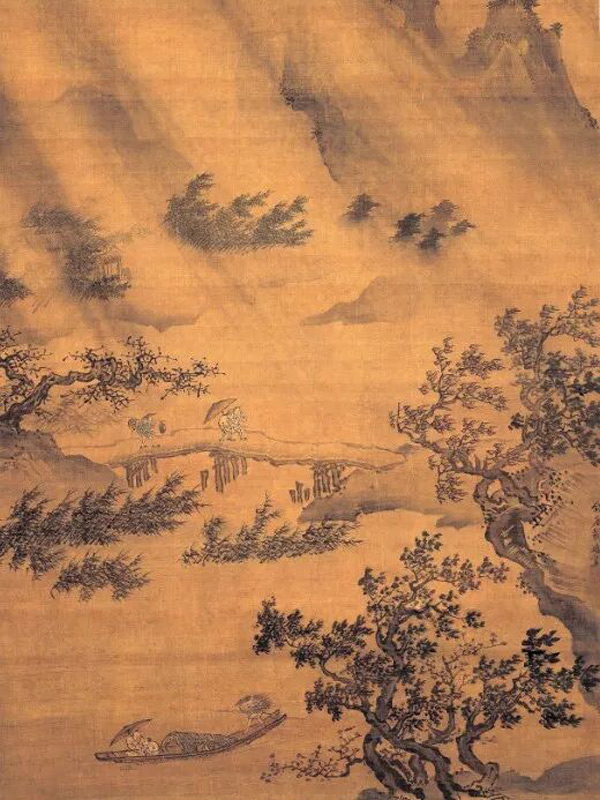
A good and timely rain was cause for celebration, and it had a name to match: Jia Shu, meaning "Excellent Moisture." Its most powerful use comes from a story in the Dong Guan Han Ji (东观汉记).
6. Yin Zhu (银竹)
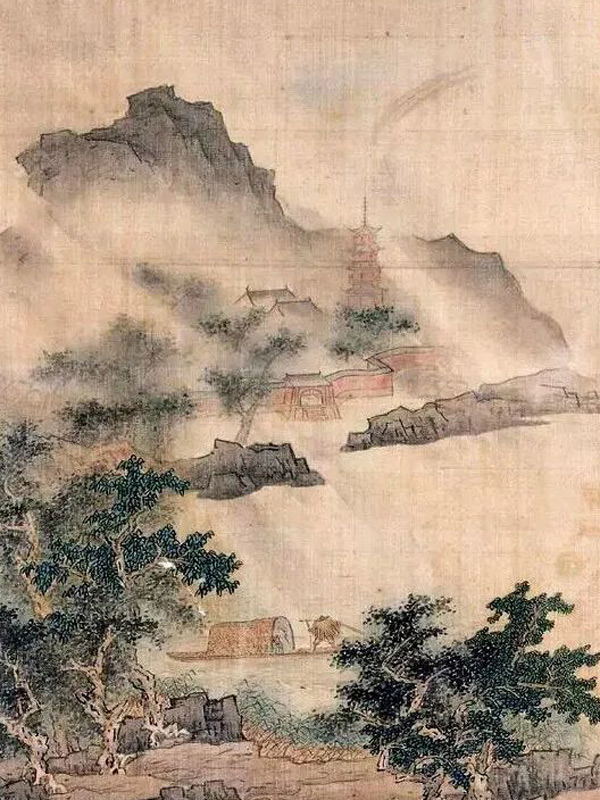
For the most dramatic of downpours, the ancients conjured the image of Yin Zhu, or "Silver Bamboo." This is no gentle shower; it's a storm of substance and power. You can picture the rain streaking down from the sky, not as formless drops, but as straight, shining stalks of bamboo, dense and forceful. The poet Li Bai (李白), ever the romantic, saw this very scene. He described a cold mountain under a white rain, the thick columns of water standing tall and "sen sen," a forest of silver descending from the clouds.
7. Ling Ze (灵泽)
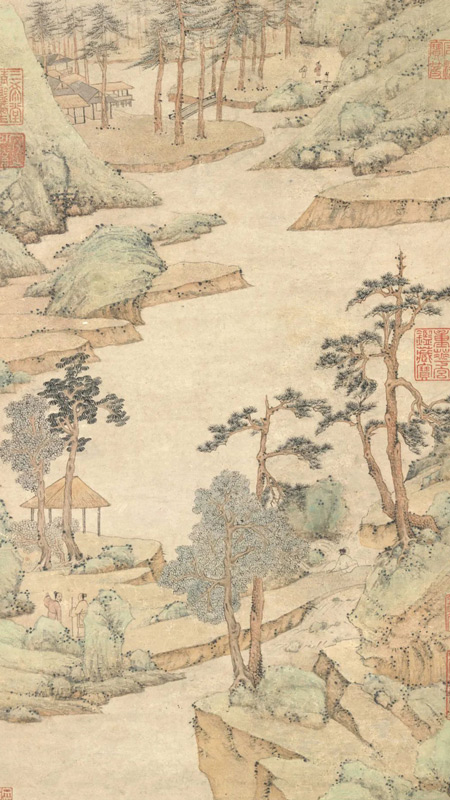
Beyond mere water, rain that nourishes all of creation earned the profound name Ling Ze, or "Divine Moisture." This term elevates rain to a spiritual level, a sweet nectar from the universe itself. In the Chuci (楚辞) from the Western Han Dynasty, it is mentioned alongside fragrant herbs, linking heavenly water to earthly purity. It was also used as a metaphor for a ruler's benevolence. A sudden "divine moisture" falling on a parched land was like the Emperor's grace, bringing life and turning the sun's rays golden with gratitude.
8. Tiao Zhu (跳珠)
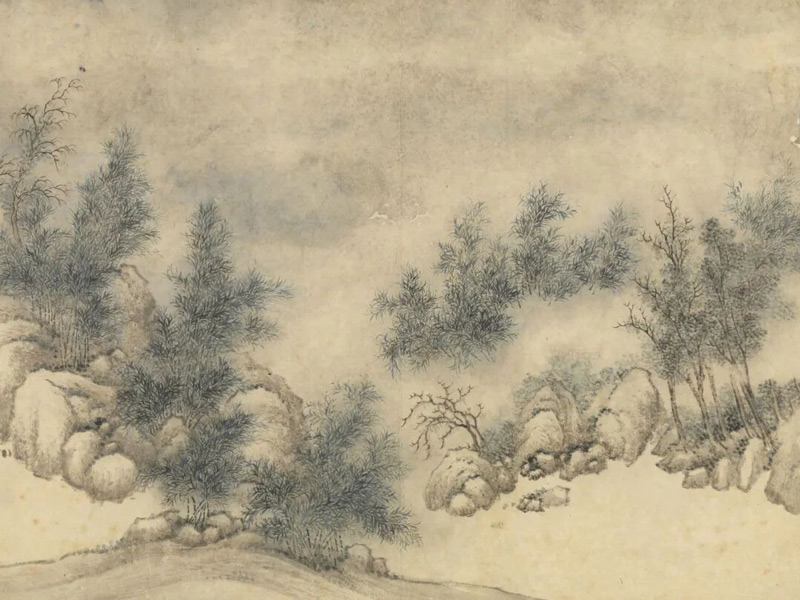
When summer storms arrive with sudden fury, they bring Tiao Zhu, or "Dancing Pearls." This name captures the pure energy of rain hitting a hard surface. Picture large, forceful drops bouncing off a lake surface or a boat deck—not flattening, but springing up like joyful, splashing pearls. Su Shi (苏轼), the great poet of the Song Dynasty, was so captivated by this sight on West Lake that he memorialized it. Even fifteen years later, he would return to the lake, longing for those "dancing pearls" he remembered so vividly from his youth.
9. Lin Lao (淋潦)
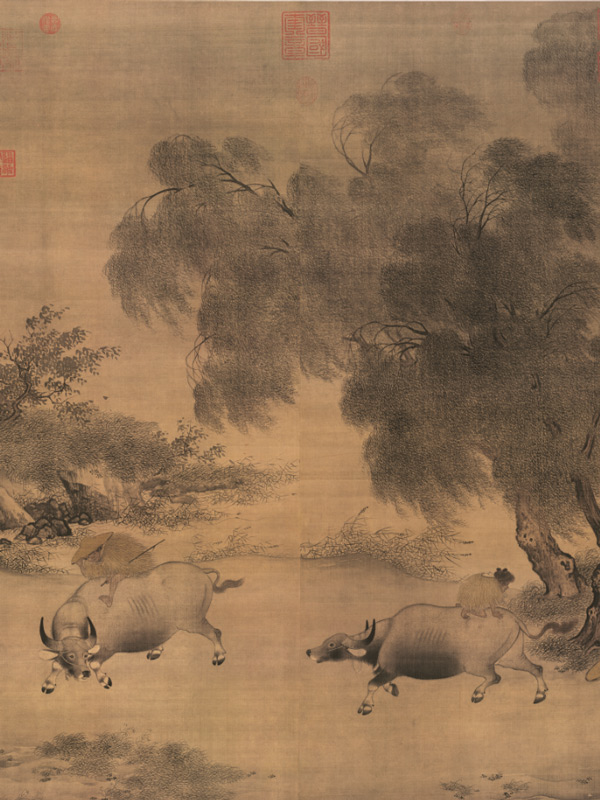
Some rain falls so hard and for so long that the world becomes waterlogged. This is Lin Lao, a name that describes both the downpour and its consequence: overflowing water. The characters themselves suggest an overwhelming spread of water. This is not a rain for quiet contemplation; it's a powerful force of nature, swift and dominating. The Ming dynasty writer Liu Ji (刘基) used it to describe a sudden storm that was just as suddenly cleared by a wind, showing its fierce but fleeting temper.
10. Pang Pei (霶霈)
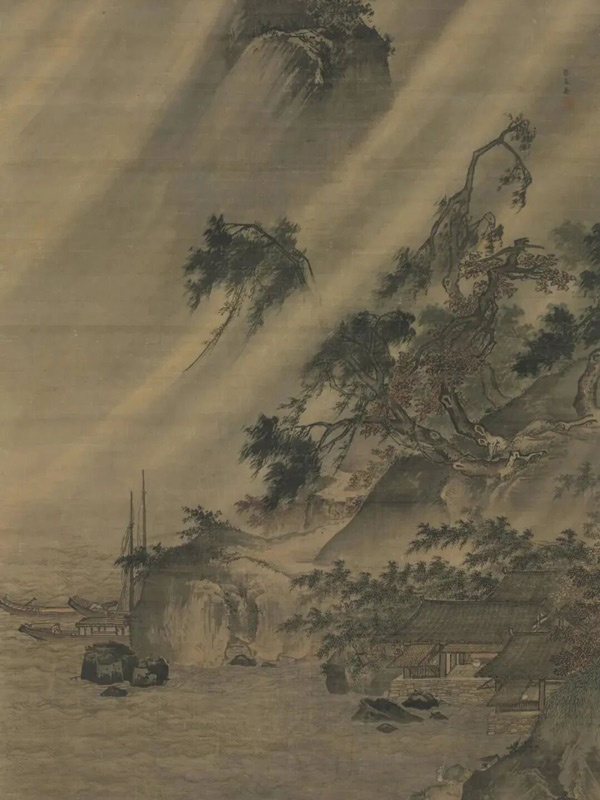
If you need a word for a true cloudburst, a deluge that fills the entire world with sound and fury, that word is Pang Pei. This is rain on a cosmic scale. In the Qing Dynasty, poet Cao Yin (曹寅) used it in a poem about hoping for rain, describing a sky so charged that the thunder shakes the very mountains. "Pang Pei" is nature's symphony at full volume—vast, magnificent, and awe-inspiring. It’s a reminder of the raw, untamed power that the sky can unleash.
11. Lin Yin (霖霪)
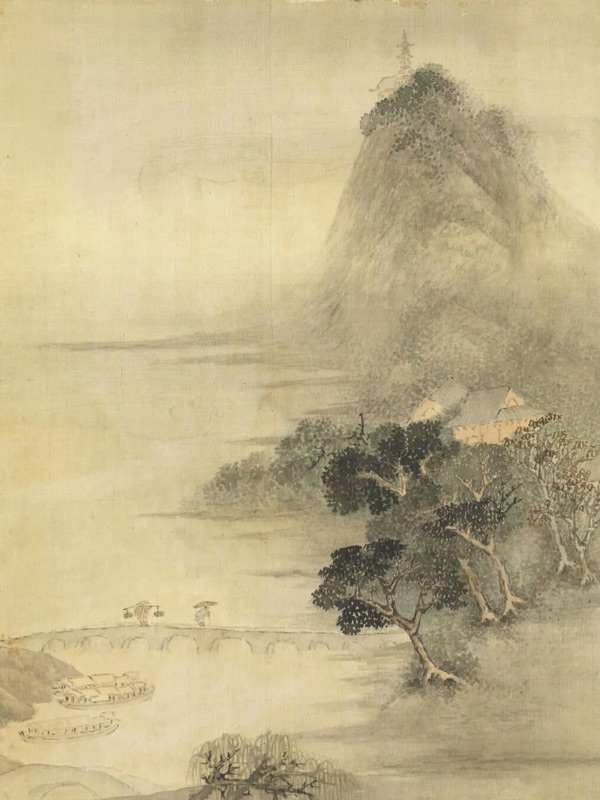
Finally, there is the rain that seeps into your soul. Lin Yin refers to a rain that goes on for days. Ancient texts state that rain lasting three days is "lin," and ten days is "yin." It is the sound of persistence, and for the poet Li Qingzhao (李清照) of the Song Dynasty, it became the sound of grief. In her new home in the south, she lay on her pillow at the third watch, listening to the relentless, dripping "Lin Yin." Each drop seemed to fall not on the banana leaves outside, but directly into her lonely, homesick heart.