
The year 2026 is shaping up to be a landmark moment for Chinese animation. Forget the old stereotypes; a new wave of titles is crashing onto screens, offering everything from nostalgic adventures and epic mythologies to gritty survival tales and supernatural horror. This isn't just about flashy visuals anymore. Audiences are demanding faithful adaptations, compelling world-building, and raw, authentic storytelling that resonates. From long-awaited literary adaptations to bold original concepts, these five upcoming series represent the diverse ambitions and mature tastes defining the scene. They promise to deliver the depth, excitement, and sheer originality that fans have been craving.
Qixing Luwang Gong (七星鲁王宫)
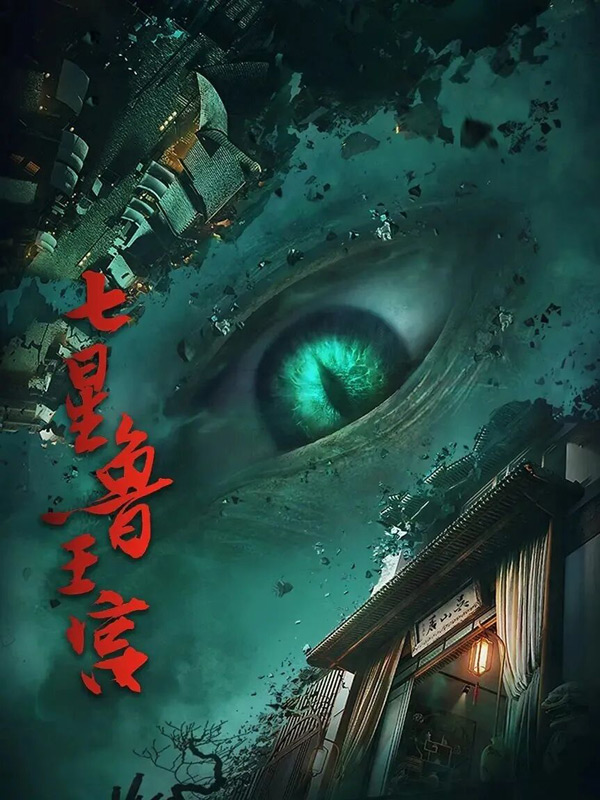
Some stories are beloved not for their novelty, but for their familiar essence. The animated adaptation of Qixing Luwang Gong faces this challenge head-on. Based on the iconic first chapter of the hit novel series, its success hinges not on reinvention, but on perfect execution. Fans know the beats: Wu Xie (吴邪), armed with his grandfather's mysterious scroll, is lured by his uncle into the treacherous Lu Wang (鲁王) Palace. The anticipation lies in seeing this world realized with modern 3D animation—the eerie Green-Eyed Fox Corpse, the monstrous Nine-Headed Snake Cypress, all rising from the page.
The core dynamic of the trio is crucial. The pragmatic and greedy Pangzi (胖子), the silent and lethal Xiaoge, and the perpetually terrified yet curious Wu Xie must feel instantly recognizable. The production team promises a faithful retelling, avoiding unnecessary romantic subplots or major deviations. The goal is to meticulously recreate the story's early horrors: the ghost ship, the corpse cave, the field of accumulated dead, and the puzzle of the seven-star coffin.
If the animation can capture the claustrophobic dread of the water thief's cave, the visceral terror of the awakening corpses, and the chemistry between the leads, it will achieve what fans truly want. It’s a testament to a story so powerful that viewers eagerly await a version that simply feels "right," proving that authenticity can be the greatest spectacle of all.
Soushen Ji (搜神记)
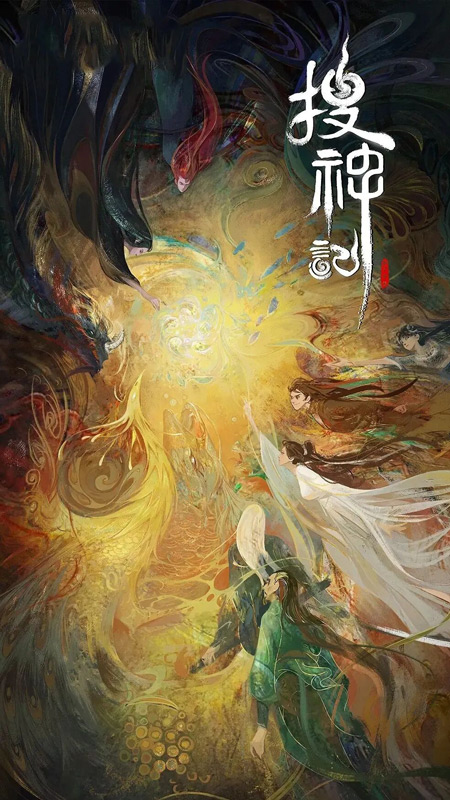
Stepping away from established hits, Soushen Ji aims to build an epic from the ground up. Its premise is grand: following the death of the divine Emperor Shennong (神农), chaos erupts among five factions representing elemental forces, while an ancient monster named Zhulong (烛龙) schemes in the shadows. The hero, Tuo Baye (拓拔野), a young man who unexpectedly inherits Shennong's legacy, is thrust into a world of constant conflict.
This series deliberately rejects the current trend of romanticized Xianxia tales focused on ethereal romance. Instead, it promises a raw, earthier brand of fantasy centered on survival, political intrigue, and brutal growth. The potential is immense, but so are the pitfalls. The sprawling "ancient epic" narrative risks becoming convoluted if not carefully paced. The action sequences must be exceptionally crafted, as weak combat would undermine the entire gritty premise.
The greatest fear for prospective viewers is that it might devolve into a generic historical idol drama. The hope is for a story rich with cunning strategies, life-or-death stakes, and genuine character development, not just characters in period costumes engaged in trivial romance. The ingredients for something remarkable are here, but the final execution will determine if it becomes a landmark or a lesson in overambition.
Jiang Ye (将夜)
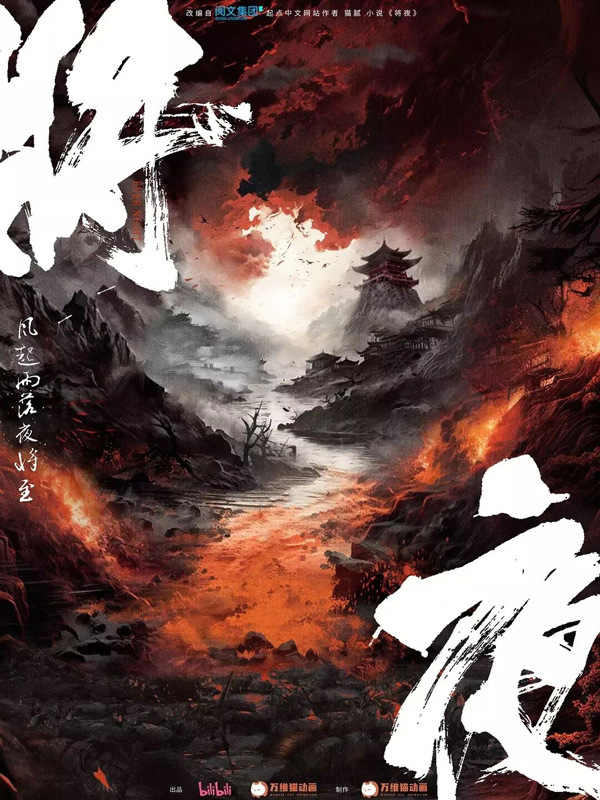
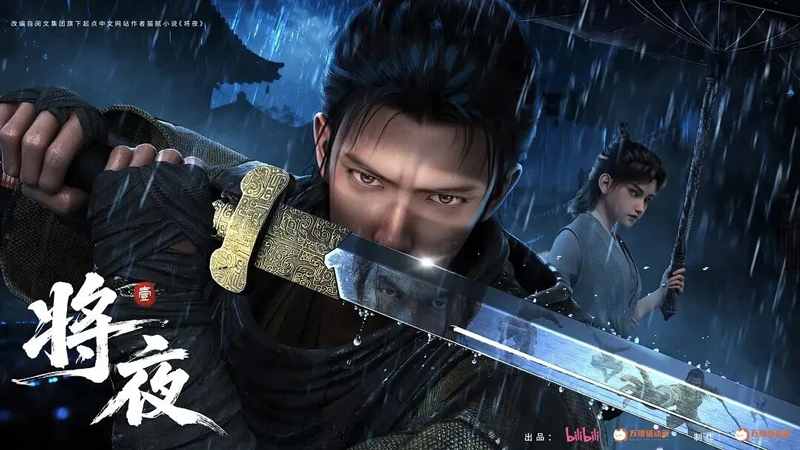
Some stories resonate because of their relentless spirit, and Jiang Ye is a definitive example. Its return in animated form, featuring the original drama's iconic voice cast, has reignited excitement. The moment the protagonist Ning Que (宁缺) opens his signature black umbrella, the cold, hardened atmosphere of his world returns. This is not a tale of a chosen one; it is a story of sheer defiance.
Ning Che begins with nothing—his family destroyed, no innate talent for cultivation. His journey is a brutal struggle against fate, powered by stubborn will alone. His companion, the infant-turned-young-woman Sangsang (桑桑), shares this bitter, unyielding destiny. Together, they represent a refusal to submit—to powerful foes, to cruel fate, and to an unjust world. The original novel's most memorable scenes are bursts of catharsis earned through immense struggle.
The animation's challenge is to capture this essential "spirit" of defiance. With a modest 16-episode run split into two parts, Weicheng You Yu (渭城有雨) and Chunfeng Yelan (春风夜阑), it has little room for error. Fans who have waited years will be watching closely to see if the adaptation can translate the novel's visceral emotional core into a compelling visual journey, or if it will fall short of their hard-earned expectations.
Sheng Xu (圣墟)
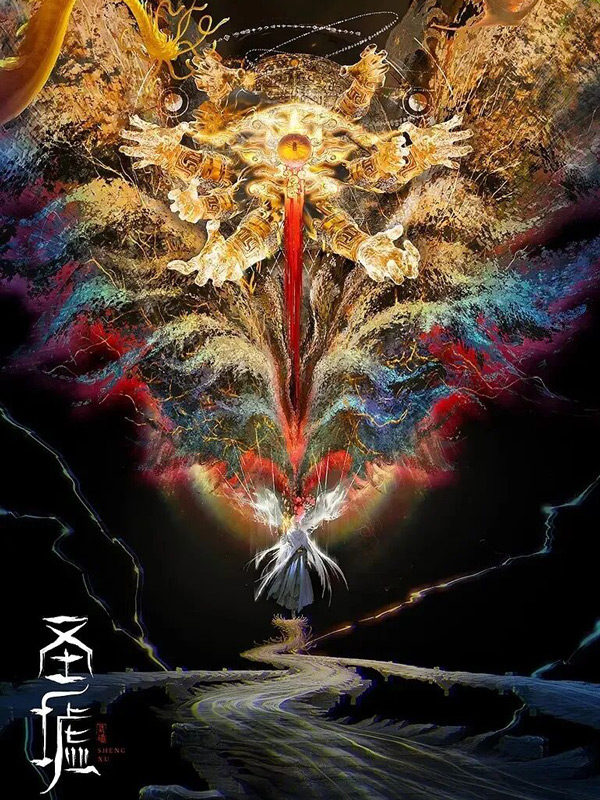
For nearly a decade, author Chen Dong has woven a sprawling narrative tapestry across his "Shrouding the Heavens Universe." With the animation of Sheng Xu, the final piece is set to fall into place. Fans who followed the epic journeys in Perfect World (完美世界) and Shrouding the Heavens (遮天) have long awaited answers to overarching mysteries, particularly the final showdown with the dreaded "Aberrant Clan."
The protagonist, Chu Feng (楚风), introduces a unique twist. In a post-civilization wasteland, he doesn't rely on conventional cultivation. His path to power is built on "scavenging"—unearthing mysterious seeds and relics from the old world to forge his own "Pollen Path" and "Domain Path." This pragmatic, survivalist approach is a refreshing departure from tales of destined inheritances. In a true apocalypse, you use whatever you can grasp.
While the studio promotes "Colorful Aberrant Aesthetics" and complex narrative threads, long-time readers have one paramount expectation: the legendary moment when the three great emperors from the connected series share the screen. This isn't just another adaptation; it's the culmination of a mythos. The pressure is immense. Get it right, and it will be legendary. Get it wrong, and it could drown in the disappointment of a devoted fanbase.
Chu Wu (楚乌)
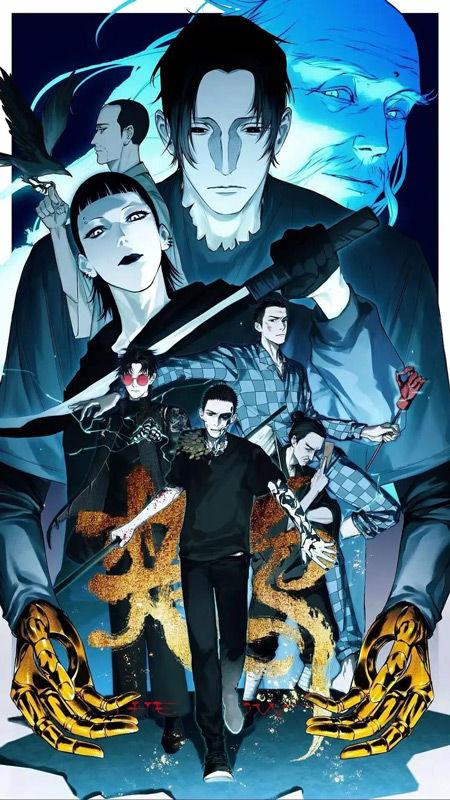
In stark contrast to epic fantasies, Chu Wu carves out a niche in supernatural horror. Its premise is unsettlingly simple: delivery rider Zhang Zha (张炸) accepts a strange order to a barren field, only to step into a path not meant for the living. He encounters Yin (阴) dwellings, spirit money, and a lurking presence. This is the realm of "Shang"—the restless dead who cling to a last breath, seeking to cross back through the "gate" and cause havoc.
Drawn into an organization named Chu Wu that deals with these phenomena, Zhang Zha finds himself tackling cases far outside any normal job description. The work involves searching haunted houses and confronting unspeakable entities, with no safety net and mortal consequences for failure. The terror here is less about gore and more about pervasive, psychological dread.
The series is based on the work of artist Mo Fei (墨飞), renowned for a chilling visual style. His horror is atmospheric, often relying on terrifying stillness and sudden, cinematic jump-scares that are more about what you feel than what you see. The promise is a animated experience that leaves viewers with a lingering sense of unease, proving that true fear often lies in the quiet moments and the shadows just outside the frame.
