-

Xin Yunlai's Controversial Hat in The Ming Dynasty Youth
When Xin Yunlai (辛云来) appeared in behind-the-scenes photos for the new historical drama The Ming Dynasty Youth (明月录), set in Ming Dynasty China, social media erupted with comments about his costume. Many users claimed his wide-brimmed hat resembled styles from Korean historical dramas, igniting a debate over cultural influences. However, this headwear is actually a traditional Chinese item known as Damao (大帽), commonly worn by scholars and officials during the Ming era. This misconception highlights a broader issue where media portrayals can blur historical origins, leading audiences to misattribute cultural elements. As historical shows gain global popularity, understanding the authentic roots of such attire becomes crucial for preserving heritage and fostering accurate cultural appreciation. The drama, starring Xin Yunlai and Wang Churan (王楚然) in their first Ming-era collaboration, serves as a reminder that entertainment can shape perceptions, making it vital to delve into the facts behind the fashion. Hat Origins The Damao featured in The Ming Dynasty Youth is characterized by its broad, straight brim and varied shapes, from tall to short, and round to nearly square. Crafted from materials like bamboo, palm leaves, or felt, it was designed for practicality, offering protection from sun and wind during outdoor activities.…- 69
- 0
-
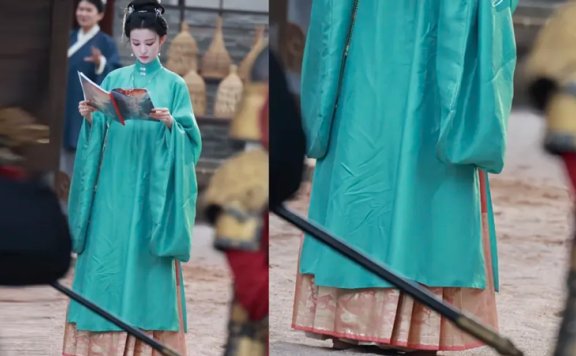
Wang Churan’s Floor-Grazing Top in The Ming Dynasty Youth
In the popular period drama The Ming Dynasty Youth (明月录), actress Wang Churan (王楚然) wears a long, flowing top that extends to her ankles, nearly obscuring the skirt beneath. This styling choice has sparked online debates about historical accuracy and fashion sense. Viewers question whether such lengthy garments were common in ancient times and if they diminish the visual appeal of traditional attire like the horse-face skirt. The discussion highlights a broader curiosity about how historical clothing influences contemporary costume design in television. This article explores the origins and significance of these elongated tops, tracing their roots to the late Ming Dynasty and examining their modern reinterpretations. Historical Roots During the late Ming period, particularly after the mid-Jiajing (嘉靖) era, women's fashion saw a shift toward longer, more subdued garments. Historical records, such as those by scholar Yang Shen (杨慎) in his work Sheng'an Waiji (升庵外集), note that women's tops resembled men's attire in length, often hanging just above the ground. This style emphasized a slender, effortless silhouette, with sleeves so wide they could span over a meter. The trend reflected societal changes, as economic pressures led to a preference for simplicity over opulence. Garments from this era, like those…- 50
- 0
The Ming Dynasty Youth

Scan to open current page
-
$CouponsLimitation of use:Expired and UnavailableLimitation of use:
before
Limitation of use:Permanently validCoupon ID:×Available for the following products: Available for the following products categories: Unrestricted use:Available for all products and product types