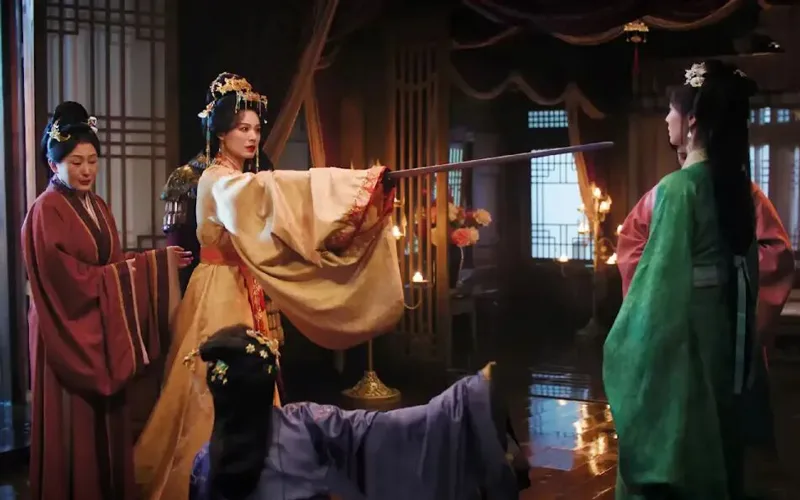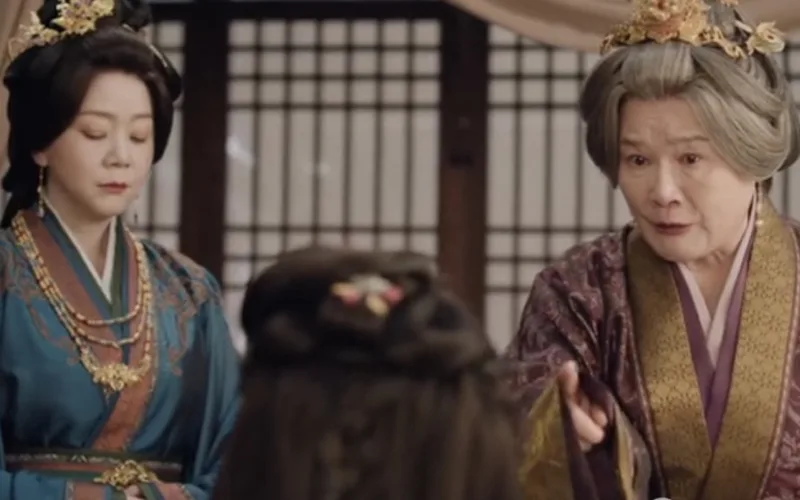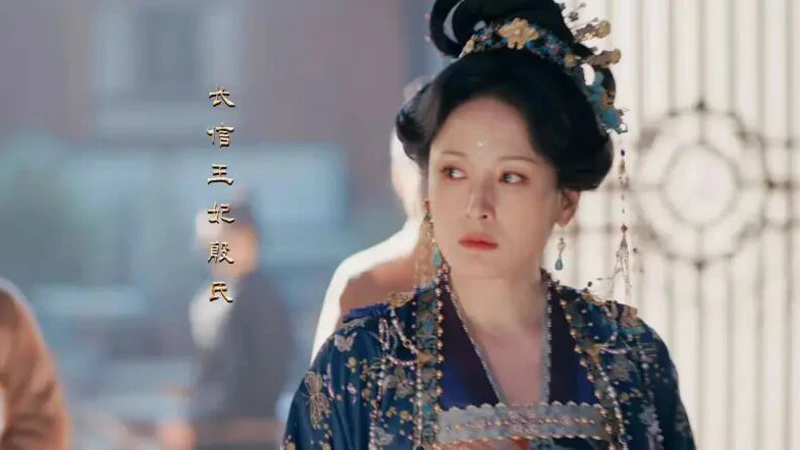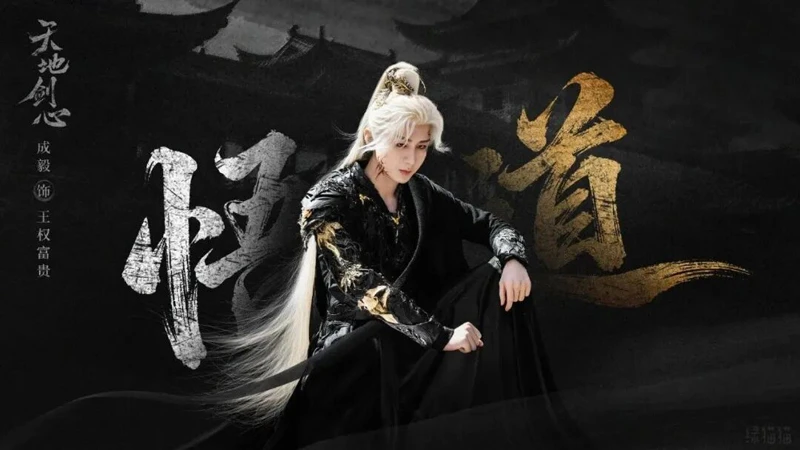
In an era where television often prioritizes flashy effects over substance, a series like Sword and Beloved (天地剑心) emerges as a refreshing anomaly. This drama, the final installment of the Fox Demon trilogy adapted from the popular comic, has captivated audiences not just with its visual spectacle but with its profound engagement with traditional Chinese thought. It tells the story of a hero’s quest in a world where martial arts and morality intertwine, set against a backdrop of ancient kingdoms and personal sacrifice. What sets it apart is its ability to weave complex philosophical ideas into an accessible and emotionally resonant narrative, making it a standout production that appeals to both the heart and the mind.
The series avoids the common pitfalls of convoluted plots or empty action, instead offering a coherent and compelling story that feels both timeless and urgently relevant. For viewers seeking more than mere entertainment, Sword and Beloved provides a gateway into a richer televisual experience.
Dynamic Storytelling
The narrative structure of Sword and Beloved is a masterclass in balance and pacing. From the opening scenes to the climactic battle known as the “Ten Thousand Swords Piercing the Heart,” the plot unfolds with a natural rhythm that maintains tension without overwhelming the audience. Action sequences are choreographed with authenticity, largely thanks to the lead actor’s commitment to performing his own stunts with real swords and practical effects. This approach elevates the Wuxia genre, emphasizing skill and realism over digital trickery. The fights are intense and meaningful, each move serving the story rather than existing for mere spectacle.
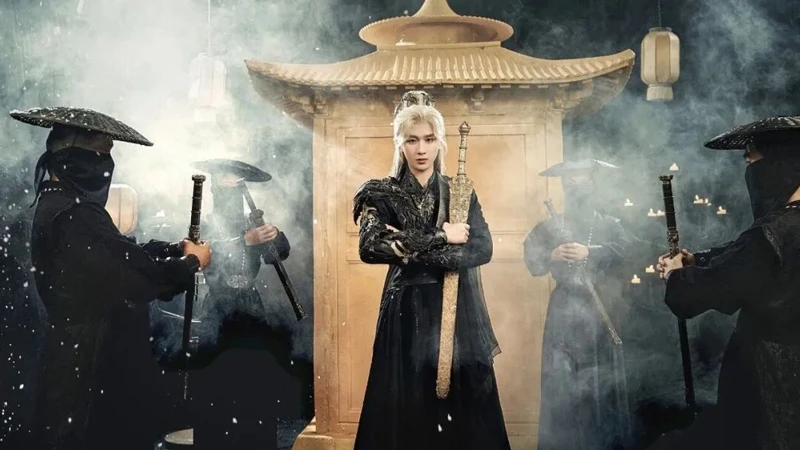
Beyond the physical conflicts, the drama excels in its quieter moments. The writing seamlessly blends humor, warmth, and drama, exploring themes of family, friendship, and love without resorting to excessive complexity. Antagonists and their schemes are presented with clarity, allowing viewers to follow the intrigue without confusion. This straightforward yet sophisticated script ensures that the emotional beats land effectively, creating a connection with the characters and their journeys. The flow of the story feels organic, much like a steady river, carrying the audience along on a journey that is both exciting and contemplative.
Supporting the main plot are well-crafted subplots that enrich the world-building. Each episode introduces elements that deepen our understanding of the characters’ motivations and the societal structures they navigate. The dialogue is sharp and often layered with meaning, reflecting the influence of seasoned writers who understand how to communicate depth without pretension. This careful attention to detail makes the universe of Sword and Beloved feel lived-in and authentic, a place where every interaction matters. It is this cohesive storytelling that transforms the series from a simple action show into a memorable epic.
Compelling Performances
Acting in Sword and Beloved is uniformly strong, with every cast member contributing to the series’ emotional weight. The lead actor delivers a nuanced portrayal of a hero grappling with duty and personal desire, capturing the character’s internal struggles with subtlety and power. His performance is grounded and relatable, making the hero’s philosophical dilemmas feel immediate and real. What is particularly impressive is how even minor roles are handled with care; actors with limited screen time leave a lasting impression, adding depth to the narrative tapestry.
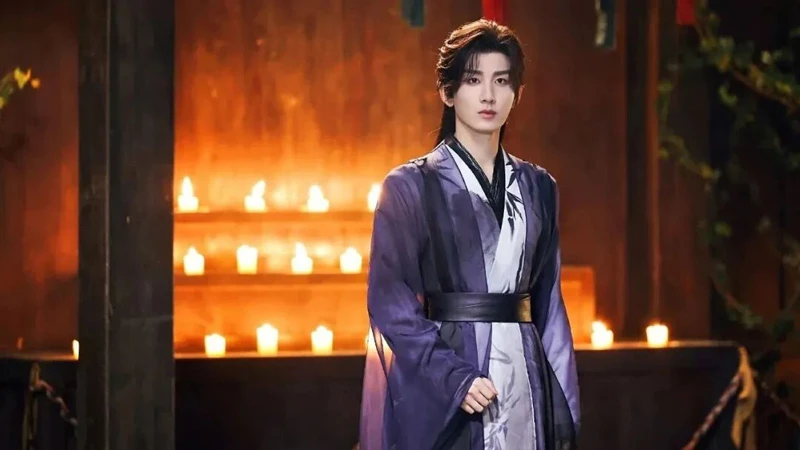
Veteran performers bring a layer of gravitas to the production. Their presence elevates key scenes, providing a sense of history and wisdom that anchors the younger characters’ arcs. The interactions between generations feel genuine, highlighting themes of mentorship and legacy. This ensemble work ensures that no character feels superfluous; each one serves a purpose in advancing the story or illuminating its themes. The chemistry among the cast members enhances the believability of their relationships, whether in moments of conflict or camaraderie.
The direction allows actors to explore their roles without over-dramatization, resulting in performances that are both expressive and restrained. Emotional scenes are handled with a delicacy that avoids melodrama, making the characters’ joys and sorrows resonate deeply with viewers. This commitment to authentic acting helps bridge the gap between the audience and the fantastical elements of the plot, making the philosophical questions at the heart of the series feel personal and urgent. It is a testament to the production’s focus on character-driven storytelling.
Sound and Spirit
Music plays a pivotal role in Sword and Beloved, with a soundtrack that enhances the emotional and cultural texture of the series. The use of traditional instruments like the Suona (唢呐) adds a distinctive auditory signature, its piercing tones amplifying moments of high drama and triumph. These musical choices are not arbitrary; they are carefully integrated to reflect the story’s setting and themes, creating an immersive soundscape that feels uniquely Chinese. The score shifts seamlessly between subtle underscoring and powerful crescendos, guiding the audience’s emotional journey without overpowering the narrative.
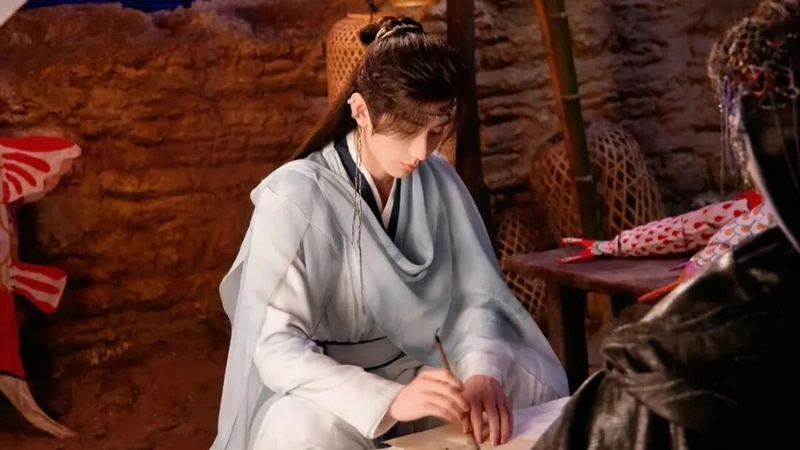
This sonic landscape complements the series’ deeper engagement with philosophy. Sword and Beloved draws on ideas from Confucianism and Mohism, exploring concepts such as collective responsibility and universal love. The hero’s pursuit of a world where all people are equal mirrors classical debates about justice and governance, presented in a way that is accessible to modern viewers. This integration of thought is not didactic; it emerges naturally from the characters’ actions and choices, inviting reflection on the part of the audience.
The series challenges contemporary entertainment norms by addressing questions of meaning and purpose. In a landscape often dominated by superficial plots, it dares to ask what it means to live a good life and how individuals can contribute to a better society. This spiritual core is what truly distinguishes Sword and Beloved, making it more than a martial arts drama—it is a meditation on values that have shaped Chinese culture for centuries. For those tired of hollow storytelling, this series offers a resonant and thought-provoking alternative that honors tradition while speaking to the present.