
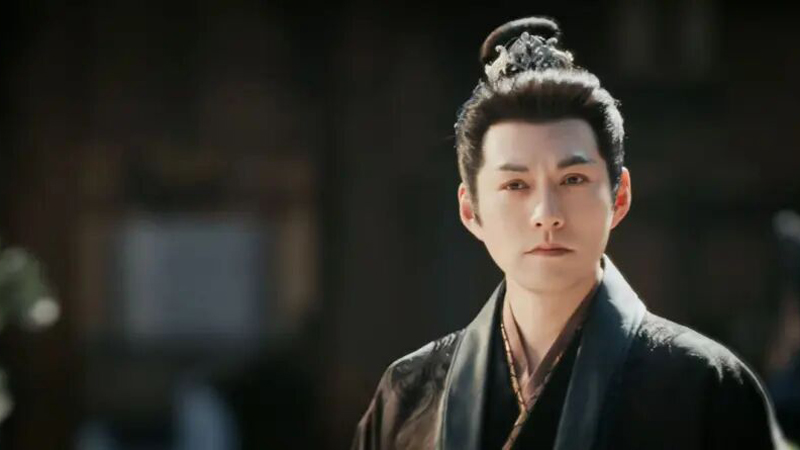
Can the Real Villain of Pursuit of Jade Be the One Who Never Lifted a Sword? The Jinzhou Massacre 17 years ago is the dark heart of the hit drama Pursuit of Jade (逐玉). It is a wound that refuses to heal, a festering secret that drives the revenge of the hero, Xie Zheng (谢征), and shapes the destiny of the butcher’s daughter, Fan Chang Yu (樊长玉). On the surface, the blame seems clear. The ambitious minister Wei Yan (魏严) and the scheming Prince Changxin (长信) are painted as the architects of this tragedy.
But as the drama peels back the layers of deceit, a far more unsettling truth emerges. The man most responsible for the death of 80,000 loyal soldiers and the ensuing 17 years of injustice never sharpened a blade or wrote a treasonous letter. He simply sat on his throne and looked the other way. This article argues that the late Emperor, through his unforgivable inaction, is the true monster of Pursuit of Jade.
The Architect of Ruin: The Obvious Evil of Wei Yan
The massacre at Jinzhou (锦州) was not an accident of war; it was a murder meticulously planned by Wei Yan. As the Prime Minister and brother to the Imperial Consort, he held the empire's trust. When the northern Bei Jue (北厥) tribes attacked the strategic city of Jinzhou, Wei Yan’s presence in the capital was vital for logistical support. Instead, he abandoned his post. Upon hearing a false alarm about his sister's health, he led his personal guards in a selfish, frantic ride back to the capital . This dereliction of duty collapsed the Jinzhou defense line, directly leading to the deaths of Crown Prince Chengde (承德) and General Xie Linshan (谢临山).
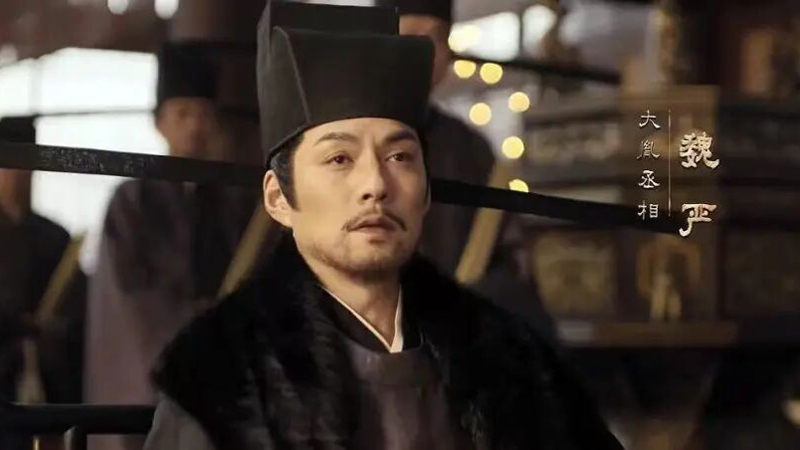
But Wei Yan’s cowardice was only the beginning of his sin. To hide his own treasonous abandonment, he manufactured evidence. He forged letters of collusion between the loyal General Xie and the veteran officer Meng Shuyuan (孟叔远), framing them as traitors who had sold out to the enemy. This lie gave him the cover to order the massacre of not just the Xie family, but 8,000 loyal troops who had fought bravely. He is the origin point of the bloodshed, the hand that lit the fuse. His subsequent adoption of the orphaned Xie Zheng was not an act of kindness, but a cruel strategy to keep his enemies close while he continued to hunt down any remaining witnesses, like Fan Chang Yu's parents . Wei Yan’s villainy is active, vicious, and written in blood.
The Opportunist in the Shadows: Prince Changxin's Calculated Wait
If Wei Yan is the arsonist, Prince Changxin is the man who stood by and watched the fire burn, waiting to steal the valuables. His goal was never justice, but the dragon throne itself. Appointed by the late Emperor to oversee grain supplies for the Jinzhou campaign, he possessed the power to intervene. Yet, he prioritized his political ambitions over the lives of the soldiers. He held back his troops, deliberately allowing the situation to deteriorate so he could weaken his rivals and later claim credit for "intercepting" the enemy after the city had already fallen.
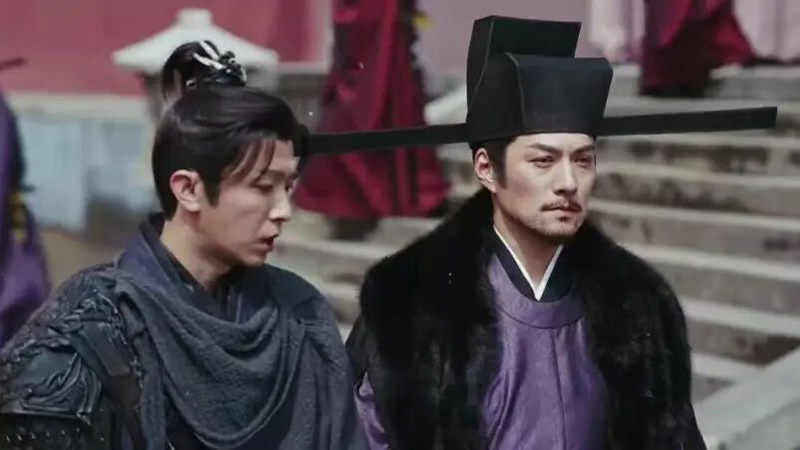
The Prince's cruelty lies in his cold calculation. He didn't need to forge a letter; he simply needed to do nothing while others died. The chaos that ensued—the fall of Jinzhou, the slaughter of the loyal, the subsequent political instability—was the perfect smokescreen for him to seize military control of the northwestern regions. He played the long game, manipulating events from behind the curtain to amass power. He is the master opportunist, proving that evil does not always require a weapon; sometimes, it only requires patience and a complete absence of conscience. Yet, even his calculated villainy is overshadowed by the man who granted him the stage.
The Silent Verdict: How the Late Emperor's Inaction Made Him the Ultimate Villain
The throne is not merely a seat of power; it is the seat of ultimate responsibility. The late Emperor occupied that seat, and from it, he committed the greatest sin of all. When Wei Yan presented the forged letters demanding the Xie family's execution, the historical records suggest the Emperor knew a terrible injustice was unfolding. He had the authority to demand a real investigation, to question the convenient timing of the "evidence." He chose not to . His priority was not truth, but the stability of his own image. Acknowledging that the crown prince died due to a minister's negligence and a general's loyalty would have been a scandal that shook the very foundation of his rule.
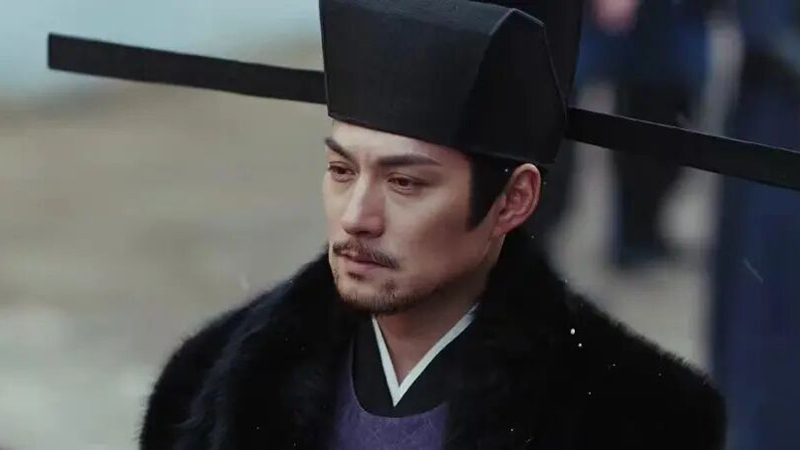
His chilling statement upon hearing of his own son's death reveals his monstrous nature: "One son can be replaced; if the Prime Minister falls, the state will fail." He traded the lives of 80,000 men, including his heir, for political convenience. He ordered all military archives sealed, officially pinning the defeat on "border generals' incompetence." For 17 years, he sat securely on his throne, never once lifting a finger to right the wrong. He allowed the loyal Xie Zheng to be raised by his father's murderer. He allowed the truth to be buried.
Wei Yan and Prince Changxin actively chose to do evil. The late Emperor's evil was choosing to do nothing when he could have done everything. He held the legal power to stop the massacre and to pardon the innocent, and he wielded that power to protect the guilty. In the moral universe of Pursuit of Jade, the man who turns away when he has the power to help is far more terrifying than the one holding the knife. His weapon was indifference, and its impact was absolute devastation.