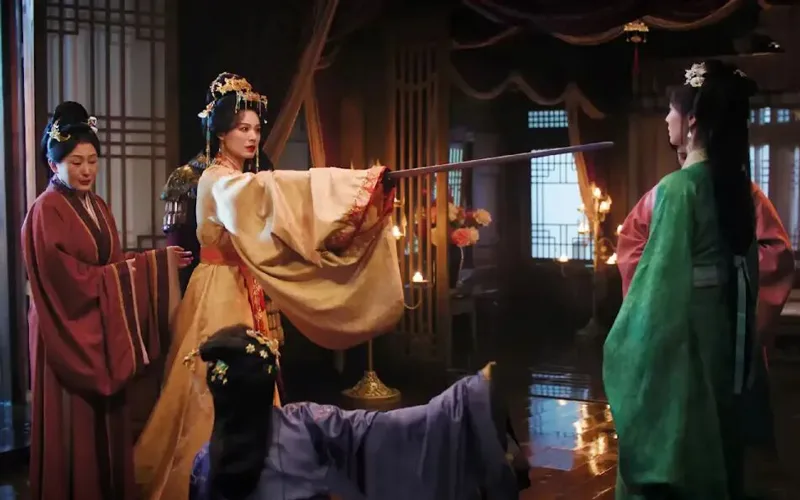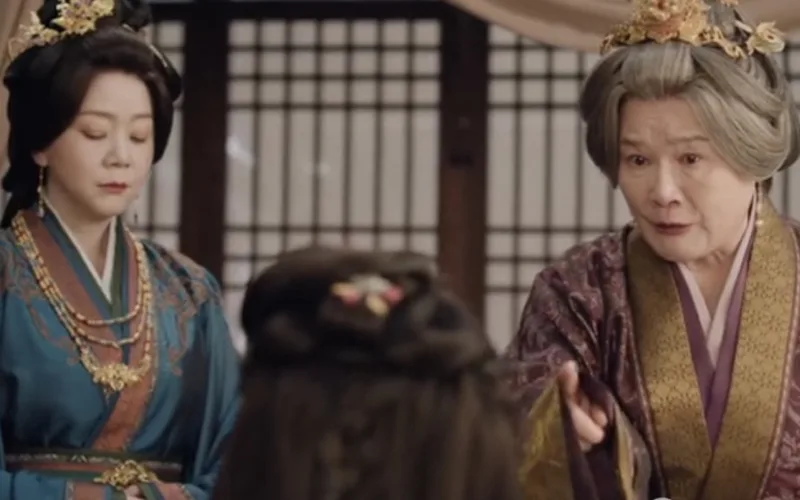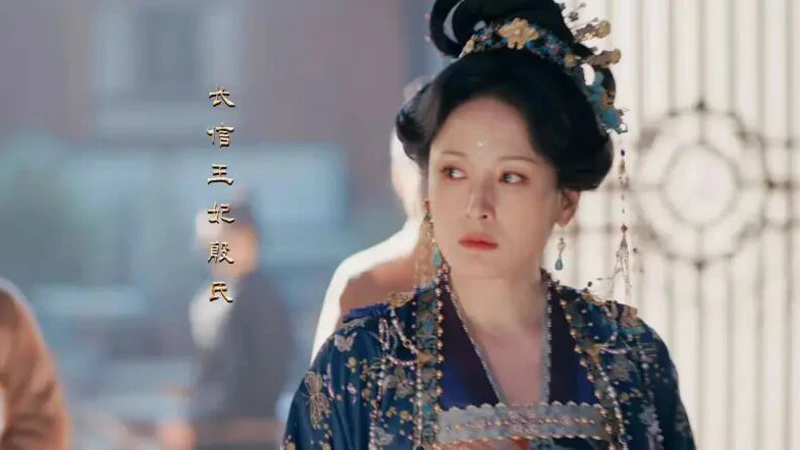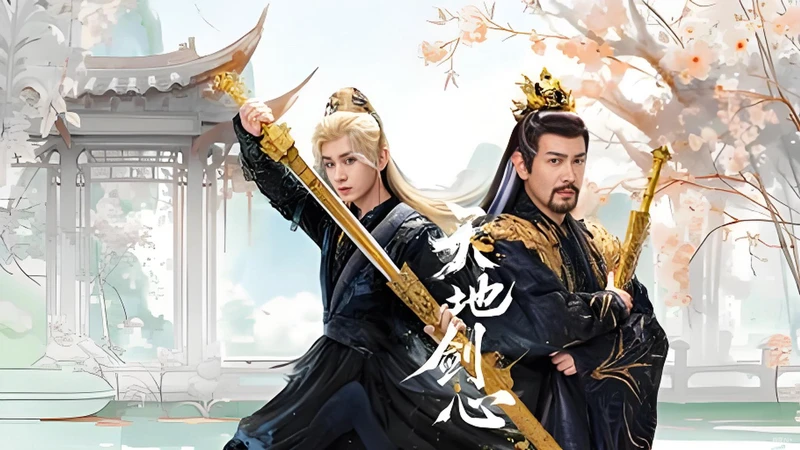
In the realm of television dramas, Sword and Beloved (天地剑心) stands out not just for its gripping action and fantasy elements, but for its raw portrayal of familial relationships. This series delves into the lives of its characters, exposing the deep-seated issues within parent-child dynamics that many viewers might find uncomfortably familiar. Through the lens of two profoundly flawed fathers, the show holds up a mirror to society, challenging us to reconsider what it means to raise a child. As the plot unfolds, it becomes clear that the real battles are not always with mystical foes, but with the expectations and failures passed down through generations.
The Overbearing Parent
Wang Quan Hongye (王权弘业) embodies the archetype of the controlling father, whose love is shrouded in harsh discipline and unmet personal ambitions. He trains his son, Fu Gui (富贵), with relentless intensity, focusing solely on martial prowess while stripping away any semblance of emotional connection. Fu Gui’s life revolves around endless sword practice, with his father dismissing inquiries about family history or personal desires with a curt command to return to training. This mirrors real-world scenarios where parents, driven by their own unfulfilled dreams, push children toward narrow definitions of success, often at the cost of their well-being.
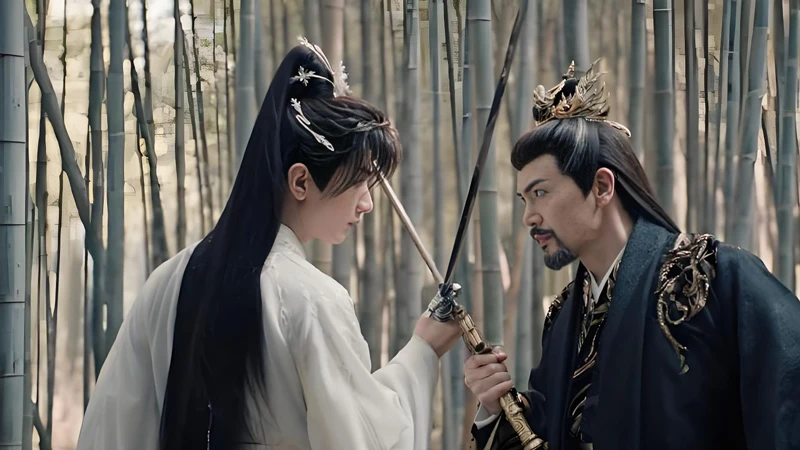
The drama highlights how Wang Quan Hongye’s past traumas—losing loved ones to a powerful demon—shape his parenting. He believes that emotions are a weakness, leading him to cultivate Fu Gui as a perfect Bingren (兵人), or soldier, devoid of feelings. Yet, this approach backfires, creating a isolated youth whose only companion is a cricket. Viewers see the irony as Wang Quan Hongye himself struggles with empathy, such as when he spares an enemy out of momentary softness, contradicting his own rigid teachings. This inconsistency reflects a common parental hypocrisy: demanding from children what adults themselves cannot achieve.
Ultimately, Wang Quan Hongye’s journey prompts reflection on whether such methods foster resilience or merely perpetuate cycles of emotional neglect. His character serves as a cautionary tale, reminding audiences that protecting children from pain should not equate to denying them humanity. The drama subtly argues that true strength lies in balance, not in the suppression of heart.
The Absent Father
Quan Jingting (权竞霆) presents a stark contrast as the neglectful parent who reenters his son’s life only when it serves his agenda. Initially indifferent to Quan Rumu’s (权如沐) welfare, he ignores his safety and well-being, only to later exploit his son’s talents for personal gain. This pattern echoes real-life situations where parents reappear after years of absence, expecting loyalty and obedience without having earned it through consistent care or support.
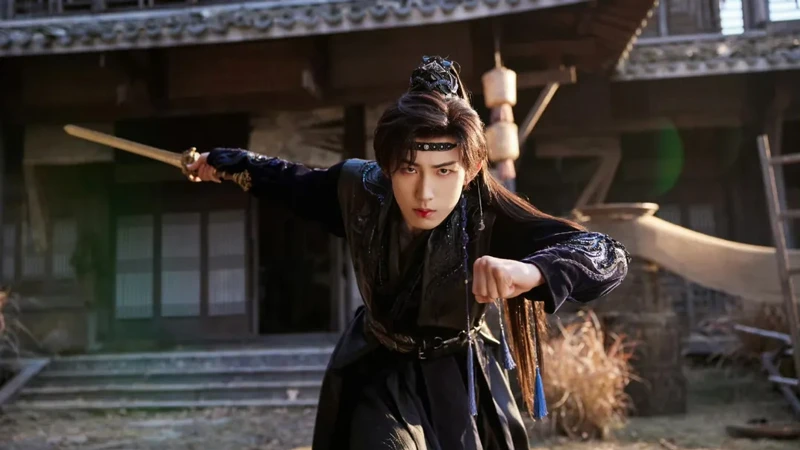
In a particularly shocking turn, Quan Jingting forces Quan Rumu to consume a Yaodan (妖丹), or demon pill, and manipulates him through dark arts to commit violent acts. This betrayal underscores the depth of his selfishness, as he prioritizes his ambitions over his son’s autonomy and moral integrity. Such actions resonate with modern stories of parental exploitation, where children are treated as tools rather than individuals with their own rights and dreams.
Despite this, Quan Rumu’s character shines as a beacon of resilience, having grown kind and principled away from his father’s influence. His portrayal, aided by a skilled actor, adds depth to the narrative, showing that environment shapes character more than genetics. This subplot reinforces the idea that parental absence, while painful, can sometimes lead to unexpected strength when children find support elsewhere.
Lessons in Parenting
The drama excels in depicting communication as a vital tool in relationships, unlike many series that thrive on prolonged misunderstandings. Fu Gui and Quan Rumu consistently talk through their conflicts, fostering trust and collaboration instead of letting disputes fester. This emphasis on dialogue offers a refreshing perspective, advocating for openness in families to prevent unnecessary strife and build healthier bonds.
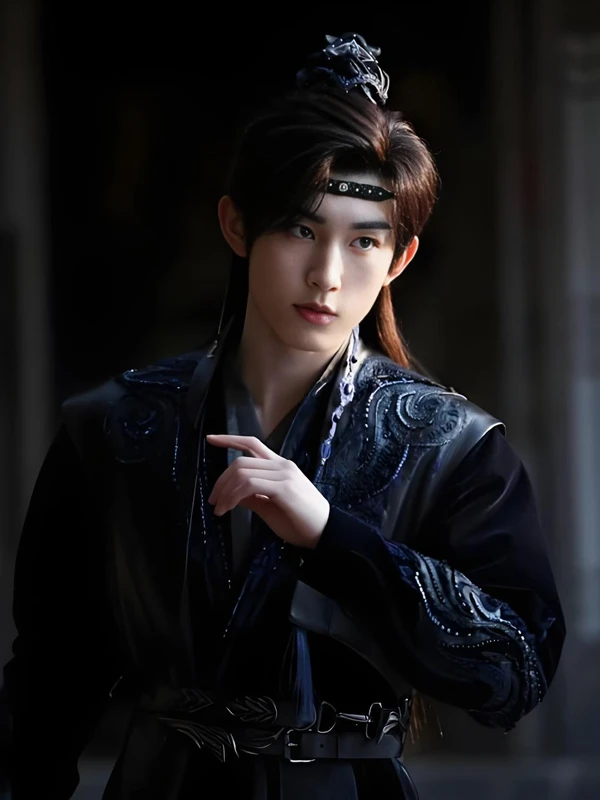
Beyond the fictional world, Sword and Beloved invites viewers to examine their own parenting styles. Are we, like Wang Quan Hongye, imposing our unresolved issues on our children? Or do we, like Quan Jingting, neglect our duties until convenience calls? The series urges a shift from self-centered expectations to nurturing children’s unique identities, emphasizing that their happiness should outweigh societal benchmarks of achievement.
In conclusion, the drama’s portrayal of fatherhood is not just entertainment but a catalyst for introspection. By weaving these narratives with emotional depth and relatable conflicts, it encourages a broader conversation about what children truly need from their parents: not perfection, but presence, understanding, and unconditional support. As audiences digest these themes, they might find themselves reevaluating their own roles in the lives of the young people they influence.