In fantasy-themed TV dramas, immortals are often depicted wearing pristine white robes that flutter in the wind, sometimes blending Eastern and Western styles. But is this historically accurate? While modern interpretations mix ancient Chinese aesthetics with European influences, the dominance of white or light-colored costumes has led to the saying: Elegance comes from simplicity. However, a closer look at ancient murals reveals a far more colorful wardrobe for these celestial beings.
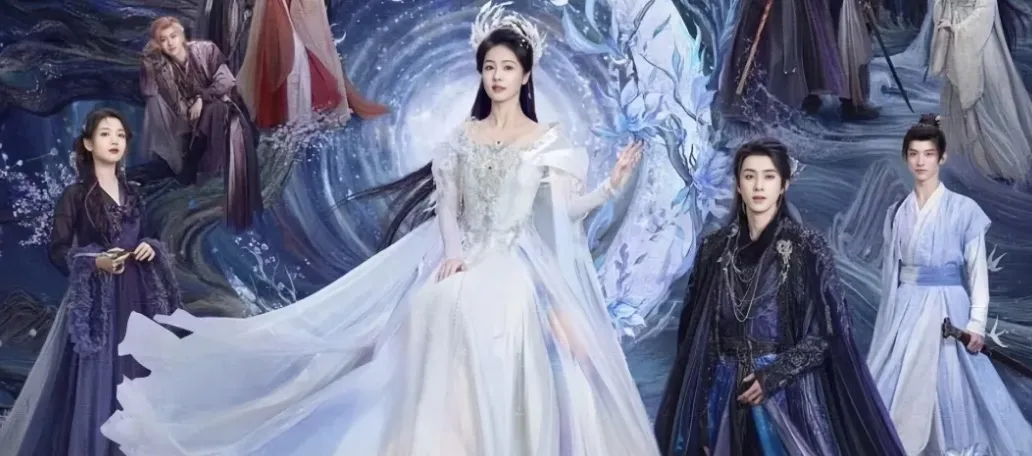
Historically, immortal attire drew inspiration from real-life clothing of specific dynasties, adorned with intricate accessories. For example, Dunhuang murals heavily influenced the costumes in The Long Ballad, incorporating Buddhist-inspired designs and vibrant color palettes.
Authentic Chinese immortal garments trace their roots to Taoist art, such as Gu Kaizhi's Nymph of the Luo River or Wu Daozi's Eighty-Seven Immortals. The Chaoyuan Tu murals in Yongle Palace showcase lavish robes with wide sleeves, adorned with jade pendants and ornate headpieces—far removed from today's minimalist portrayals. These outfits followed Hanfu's foundational structure, layered with accessories like feathered capes and tasseled sashes.
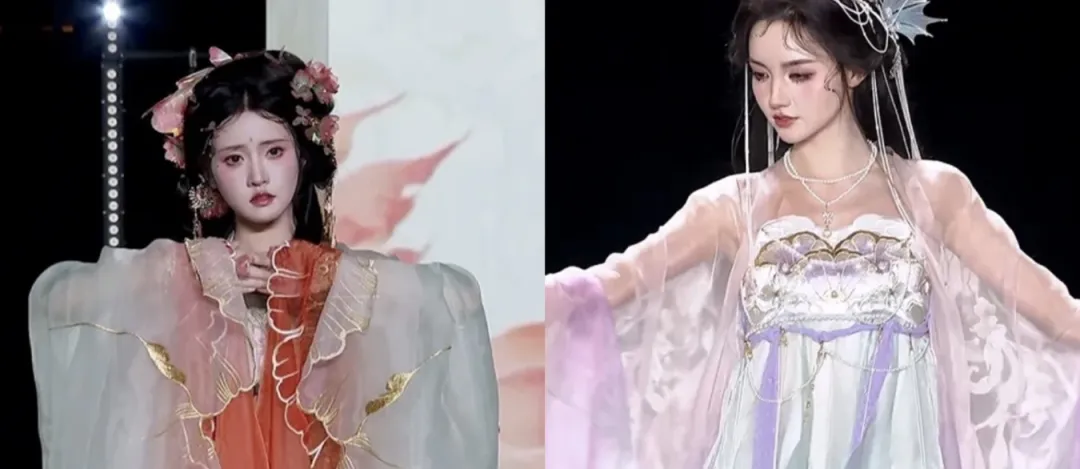
Modern xianfu (immortal-style costumes) blend traditional elements with theatrical flair—think sheer fabrics, ribbons, or even lace—to create a fairy-tale aesthetic. While visually striking, they differ markedly from historical references. Ultimately, whether adapting xianfu or classical designs, both approaches celebrate China's sartorial heritage. The debate continues among Hanfu enthusiasts, inviting audiences to weigh in.