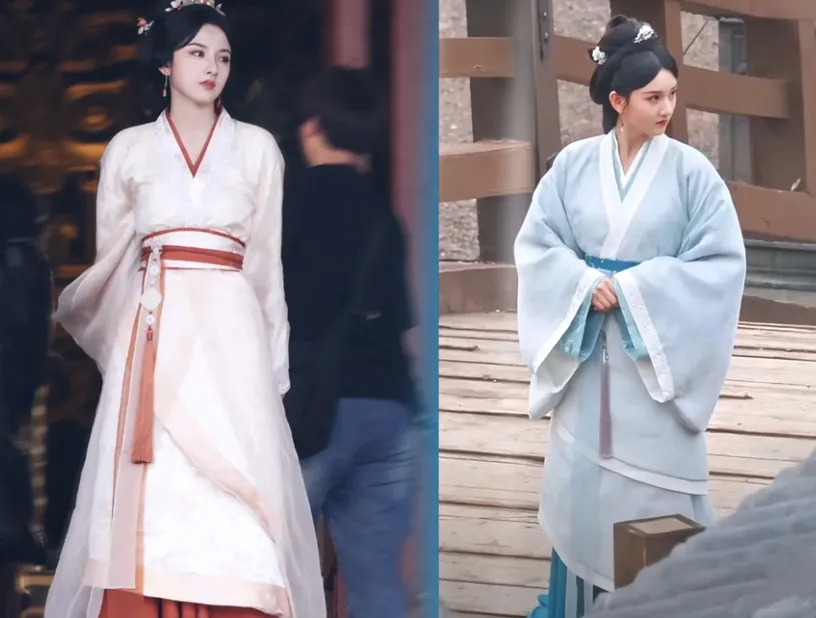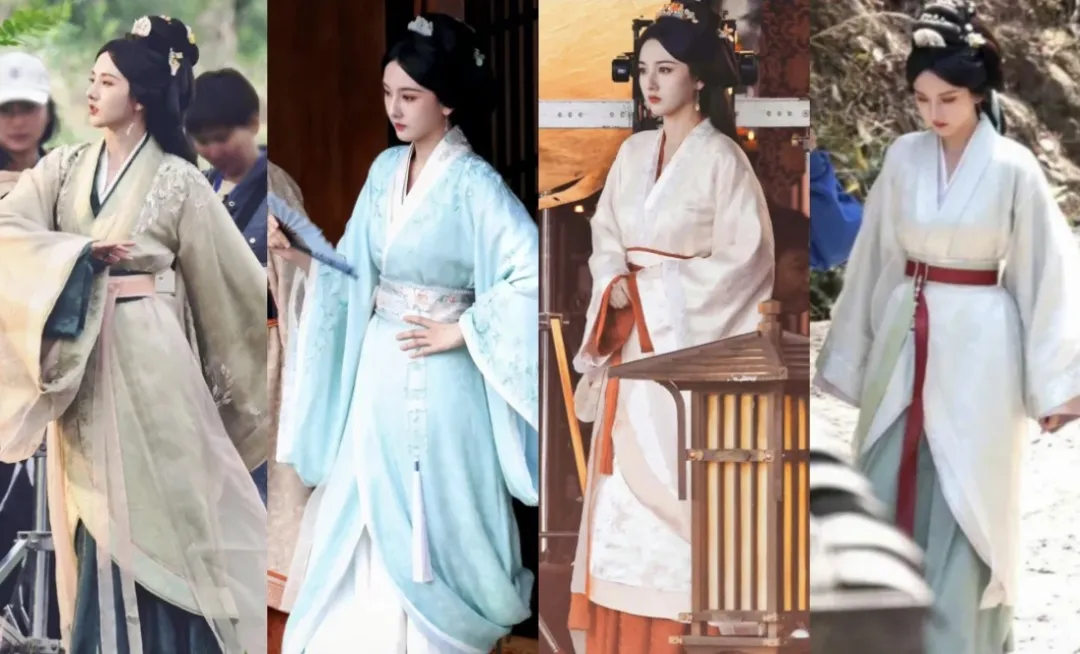
No ancient costume drama has truly done justice to Hanfu! In the TV drama The Prisoner Of Beauty (折腰), we can see a kind of "dress" with a curved hem. When worn, it makes one look dignified and slender. Its prototype is the one - piece Shenyi (深衣) popular in the Qin and Han dynasties. However, few ancient costume dramas have managed to get it right.
When it comes to Shenyi, we have to mention Quju (曲裾). And when talking about Quju, we can't ignore the Mawangdui Han Tomb. The reports and unearthed cultural relics from this Western Han tomb have further confirmed the structure of Quju, refreshed the understanding of most Hanfu enthusiasts, and reorganized the early systems of "small Quju", "single - wrapped Quju", and "X - wrapped/multiple - wrapped Quju". The Quju robes unearthed from the Western Han tomb are regarded as the orthodox physical standard representing the clothing of the Qin and Han dynasties. The upper - body effect of this type of Quju robe shows a triangular overlapping of the continuous front panel. By the width of the skirt edge, we can distinguish the forms of inner and outer clothes. This form of cutting the upper and lower parts separately and then stitching them together also has the beauty of covering the body deeply.
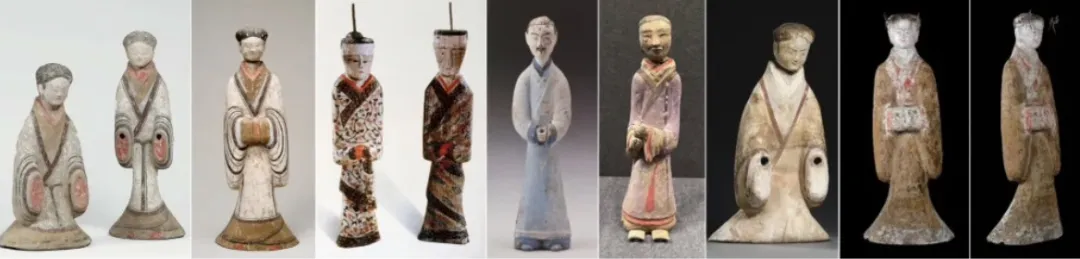
Quju vs Zhiju
The Quju style is mainly characterized by "wrapping around the front panel". The Zhiju (直裾) style is mainly characterized by a straight hem. Except for the hem, they have some common points and generally cover the underskirt/pants. The clothing derived from these common points is yet to be discovered. Due to the long time since the Han Dynasty and the difficulty of unearthing textile relics from Han tombs, the styles worn by many Han Dynasty figurines can't be verified. After years of exploration, people have clarified the differences between Zhiju and Quju. Those styles that seem to have a split hem are actually the result of the Zhiju being too long and trailing, leaving an effect of a front split. They were popular in the Pre - Qin and Eastern Han periods.
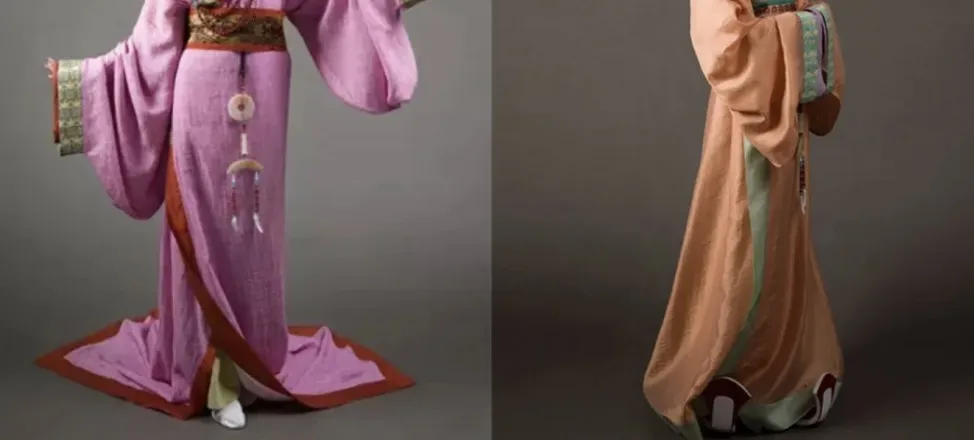
The so - called "Warring States robe" in the market now mostly refers to the style of the "Zhiju robe" unearthed from the Mashan Chu Tomb. It has become a new term for this style of Zhiju robe. The wearing effect is like the early - thought "small Quju" style, splitting in the front and the hem showing a trumpet shape, presenting an inverted "V". Many TV dramas have over - modified it, making it look strange. In fact, it is an innovation of modern people.
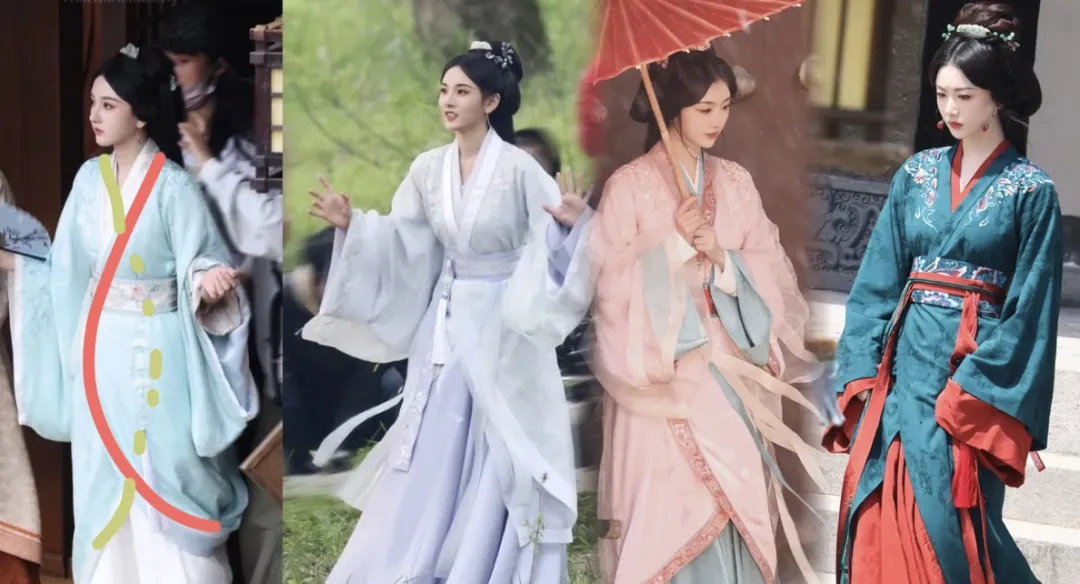
Sleeve Styles
Many people now confuse the Chuihu Sleeve (垂胡袖) and the Pipa Sleeve (琵琶袖). The Chuihu Sleeve is the mainstream sleeve style of Han - style clothing. The biggest visual difference from the Pipa Sleeve is the sleeve arc. The arc of the Chuihu Sleeve is relatively gentle, and the sleeve root is close to the sleeve width. Only a sufficiently long sleeve can achieve the effect of a formal dress. The Pipa Sleeve has an obvious shape where the sleeve root is smaller than the sleeve width and there is an obvious arc in the middle. The sleeve edge is relatively narrower than the common Warring States and Han styles. It was the popular sleeve style in the Ming Dynasty.
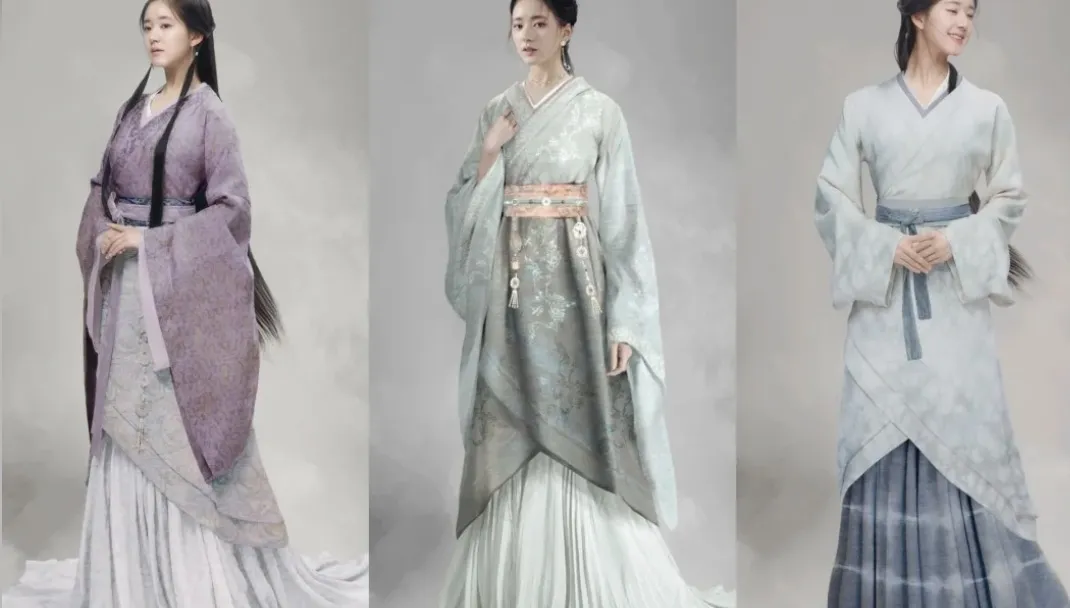
Trends in Ancient Costume Dramas
As the times progress, the costumes and props in ancient costume dramas still have a stereotyped impression of Han - style clothing, showing two popular trends. One is the Japanese - influenced style. For example, some TV dramas imitate the kimono by making the cuffs short and the skirt short and tight. The costumes in the TV drama I'm Liu Jinfeng (我叫刘金凤) incorporate various characteristic elements that were extended after being introduced to Japan. The other is the hem style similar to the early "small Quju". Even in TV dramas like Schemes of a Beauty (美人心计) and Love like the Galaxy (星汉灿烂) made at different times, this stereotyped impression still exists.

Maybe more archaeological materials will be disclosed in the future, and we will find various styles of "Quju" or "Zhiju". At present, the reliable clothing - related cultural relics are limited, mainly the Quju robe and Zhiju robe from the Mawangdui Han Tomb for the Han - style, and the Zhiju robe from the Mashan Chu Tomb for the Pre - Qin style. Multiple - wrapped Quju and double - wrapped Quju can only be regarded as speculated imitations of figurine relics, not real archaeological evidence.
The only authenticated Quju style is from the Mawangdui Han Tomb (in the styles of Shenyi and Chanyi), and the multiple - wrapped Quju speculated from wooden figurines can only be used as a reference.
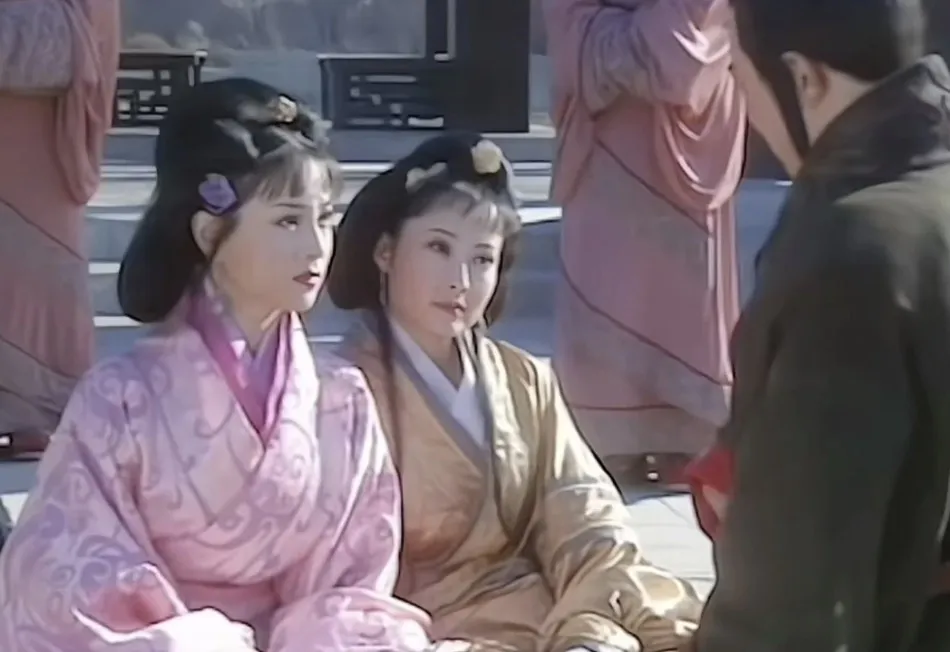
From the perspective of market popularity, TV dramas have a wide influence. There are few TV dramas with a Han - Dynasty background. Without visiting museums and cultural relic exhibitions, we can never know what Han - Dynasty clothing originally looked like. Those un - verified styles are constantly reproduced in TV dramas.
In old - fashioned TV dramas, we can clearly see the appearance of the Quju robe. Although it is not a real - life relic, it is better than imagined styles. Some netizens think we should keep up with the times. We should spread the concept and increase relevant popular science knowledge to change the public's aesthetic of our ancestors. What's your opinion?