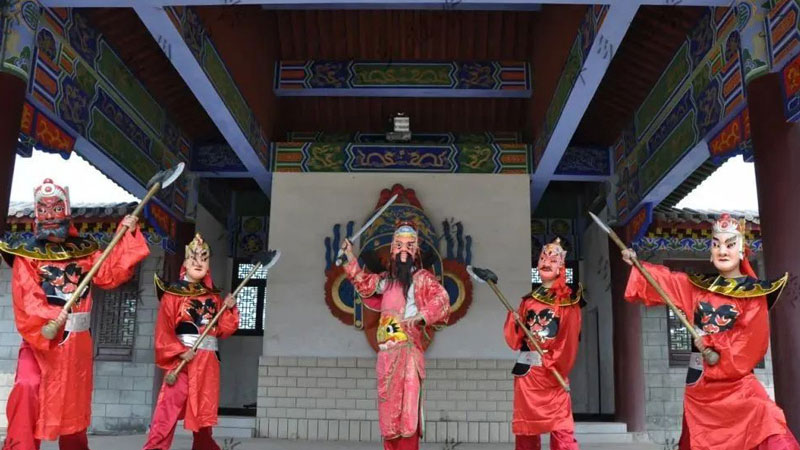
Tucked away in the hills of Jiangxi province, Pingxiang carries an old, whispered nickname: "The Home of Chinese Nuo Culture." For centuries, the rhythmic beat of drums and the haunting crack of dancers’ footsteps have been part of the fabric of life here. This isn’t performance art designed for a stage; it’s something far more ancient and visceral. Recently, I went to Pingxiang to see Nuo Dance (傩舞) for myself, not as a tourist spectacle, but as a living, breathing practice.
A Conversation with Ghosts
To call Nuo Dance a "dance" feels insufficient. It’s a ritual, an exorcism, and a story told through the body. Often called a "living fossil" of ancient Chinese dance, its origins are rooted in shamanistic rites meant to drive away pestilence and evil spirits. The dancers, all men, become vessels.
The transformation begins with the masks. Each one is a carved, wooden face, painted in bold, dramatic strokes—some fierce and terrifying to scare demons, others benevolent and kind to welcome gods. When a dancer ties one on, he ceases to be himself. He becomes the deity or spirit the mask represents.
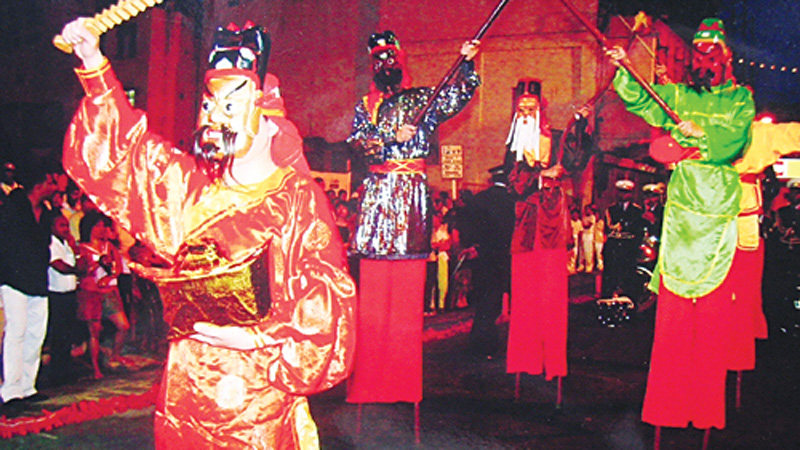
Then, the movement begins. The local terminology describes it not in flowery terms, but in four blunt, powerful verbs: to tilt back the head, to stamp in time with the drum, to brandish weapons, and to leap. There is no delicate choreography. It’s a raw, grounded, and powerfully athletic display. The dancer stomps, spins, and charges across the space, wielding ancient weapons, his chants—“Heh! Ho!”—punching through the air. It’s primal, urgent, and completely mesmerizing. You don’t just watch it; you feel it in your chest.
Different villages have their own styles. Some performances are solemn and stately, like a moving ritual. Others are energetic duets that border on playful combat. Each tells a story of the eternal fight between chaos and order.
Not a Relic, But a Relay
The most common question about traditions like these is, "How can they survive the modern world?" In Pingxiang, I saw the answer wasn’t about putting it under glass but passing it on.
The most powerful effort is happening in schools. Instead of forcing kids to sit through a history lesson, programs bring Nuo Dance to them. They learn the steps, touch the masks, and feel the drum’s rhythm. It becomes a physical education, a way to connect with their heritage through action, not just words. This isn’t about creating professional dancers; it’s about ensuring the next generation knows the rhythm exists.
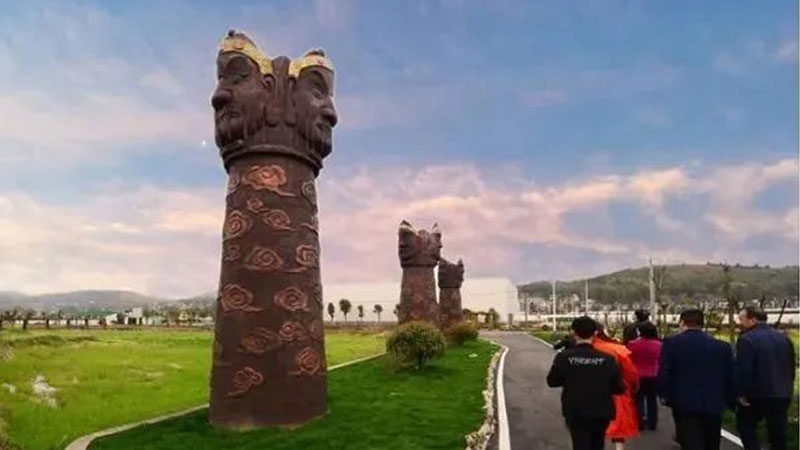
Technology is also an unexpected ally. At local museums, VR headsets allow visitors to step inside a ritual, seeing the dance from the dancer’s perspective. While it can’t replicate the palpable energy of a live performance, it serves as a powerful, accessible hook, especially for the smartphone generation.
And crucially, the dance is taking back its place in the community. It’s not saved for a yearly festival. Troupes perform on newly built cultural plazas and even on the streets during holidays. It’s moving from being a preserved artifact to a living part of the town’s identity again.
Seeing Nuo Dance up close strips away any academic distance. This isn’t an "intangible cultural heritage" entry; it’s a raw, powerful thread connecting today’s world to the deepest layers of human belief. It’s the sound of a community insisting, through stomping feet and carved masks, that its oldest stories are still worth telling.