Forget the image of inscrutable ancient texts and complex herbal formulas. Traditional Chinese Medicine (TCM) doesn't find its true genius in a rare root or a secret manuscript. It’s in your kitchen, your bedroom, and your morning walk. It’s a practical philosophy built on tuning into the rhythms of nature and your own body. You don't need a degree to start; you just need to pay attention.
Your Plate as Medicine
The most powerful wellness ritual happens three times a day. TCM views food not just as fuel, but as a fundamental way to balance your system. The golden rule is to eat with the seasons and according to your own constitution.
This means light, sprouting foods like scallions and bean sprouts in the spring help the body wake up from winter’s hibernation. Summer calls for hydrating, cooling foods like winter melon and loofah to beat the heat. In autumn, when the air becomes dry, resort to pears and snow fungus for internal hydration. Winter is for building warmth and energy with stews featuring ingredients like lamb and radish.
It’s also deeply personal. If you’re always cold, your body might be asking for warm ginger tea, not a cold smoothie. If you often feel hot or get canker sores, cooling foods like bitter melon or mung beans could bring relief. How you eat is just as crucial. The old saying, “Eat without talking, sleep without speaking,” is about focus. Sitting down for a meal without screens or distraction allows your digestive system—your spleen and stomach in TCM terms—to do its job without interference. That age-old advice to stop eating before feeling completely full is important. It’s about giving your body a break, preventing that heavy, sluggish feeling that comes from overworking your gut.
The Ultimate Reset: Sleep

No supplement bottle can compete with a truly good night of sleep. TCM has a strict timetable for this, and it’s not about counting hours. The most critical window is between 11 p.m. and 3 a.m., when your liver is believed to be most active in its detoxifying and rejuvenating work. Being in a deep sleep by 11 p.m. maximizes this natural process.
Creating a wind-down routine is non-negotiable. Consider setting aside your phone an hour before bed. The blue light tricks your brain into thinking it’s still daytime. Instead, try a warm foot soak. Fifteen minutes in warm (not hot) water can pull tension from your entire body, improve circulation, and signal that it’s time to power down. Even your sleeping position matters. Curling up on your side, the “sleeping like a bow” posture, is thought to be the most restful for your organs. The goal is to wake up feeling restored, not like you need another coffee to function.
Move Your Qi, Not Mountains
Exercise in TCM isn’t about crushing a personal best or burning a thousand calories. It’s about moving your vital energy, or Qi (气), to keep it from getting stagnant. The ideal workout leaves you feeling energized, not wiped out. You should glow, not pour with sweat.
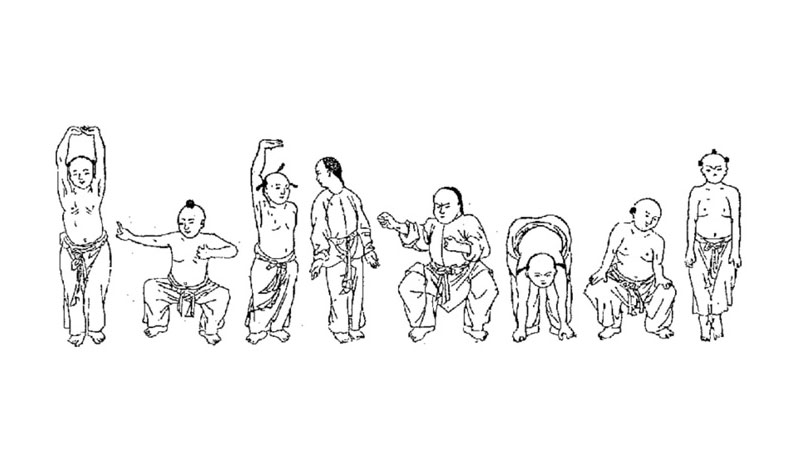
A brisk morning walk as the sun rises aligns you with the day’s growing energy. Gentle practices like Taijiquan (太极拳) or Baduanjin (八段锦) are perfect for building strength and flexibility without strain. If you have more energy, a solid swim or jog can work wonders. The key is listening to your body. If you’re sore for days, you pushed too hard. And that post-workout ice-cold drink? Skip it. TCM practitioners hold the belief that it disrupts the body's equilibrium. Warm or room-temperature water is a much better choice for rehydration.
You can eat all the right foods and still feel off if your emotions are out of whack. Stress, frustration, and overthinking aren’t just in your head—in TCM, they directly impact your physical health. Constant worry can knot up your digestion, while pent-up anger is thought to affect the liver. The solution isn’t complicated: talk it out, take a walk to clear your head, or find a creative outlet. It’s not woo-woo; it’s maintenance.
Start small. Massage the fleshy spot between your thumb and index finger (Hegu, or 合谷穴) to ease a tension headache. Press the spot on your shin four finger-widths below your kneecap (Zusanli, or 足三里) to support digestion. The real secret isn’t a single trick; it’s the consistency of choosing the small, good thing every day.