China's fashion landscape is no longer just about imported luxury labels or mass-produced apparel. A dynamic transformation is unfolding, driven by a potent fusion of deep-rooted cultural heritage and cutting-edge technological innovation. This synergy is redefining consumer experiences, revitalizing ancient crafts, and reshaping production from the design studio to the factory floor.
From the seasonal rhythms celebrated in Beijing's bakeries to the intricate patterns of Shu brocade revived in Chengdu workshops, and the algorithms generating tomorrow's silhouettes in Zhejiang factories, a distinctly Chinese, globally resonant fashion identity is emerging. This movement transcends mere aesthetics; it represents a profound shift where tradition acts as a springboard for futuristic creativity, powered equally by artisan hands and artificial intelligence, fundamentally altering how fashion is conceived, made, and consumed.
The Rhythmic Renaissance
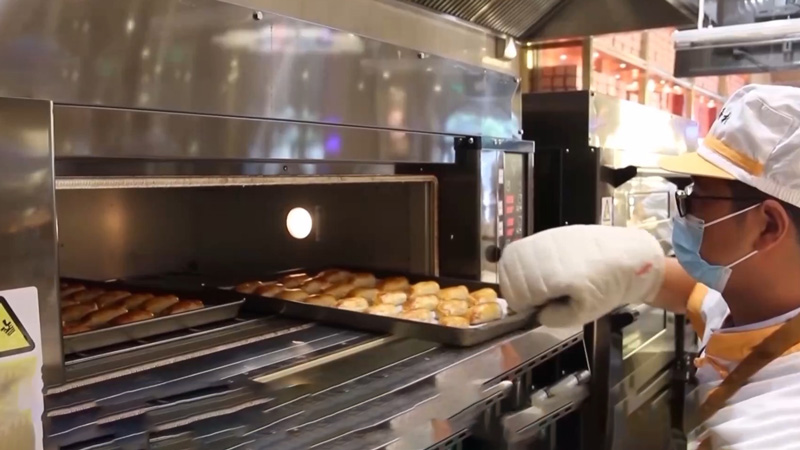
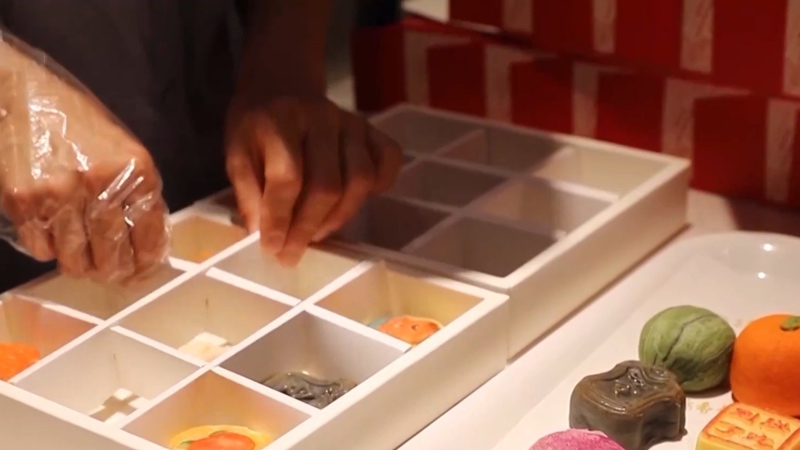
The humble pastry becomes a canvas for cultural storytelling. In Beijing, establishments like Daoxiangcun have tapped into the nation's growing appetite for experiences infused with tradition. Their "24 Solar Terms" themed stores have become destinations, launching limited-edition pastries aligned with each seasonal marker.
The recent "Xiaoshu Cake" (Minor Heat Cake), featuring lotus root and cranberries, exemplifies this trend. Consumers like Ms. Yang seek more than sustenance; they desire products embodying wellness principles and cultural narratives. "It's both nourishing and delicious," she remarks, highlighting the dual appeal. This strategy bridges heritage and modernity, finding a resonant chord with customers.
Cao Siyuan (曹思源), Daoxiangcun's innovation lead, observes, rising appreciation for cultural elements translates directly into positive market feedback, helping venerable brands navigate renewal. Supporting this, Beijing's municipal policies actively foster fashion consumption, leveraging urban renewal projects like the Liangma River as open-air runways and promoting "debut economies" to attract global brands and cultivate local ones for the international stage.
Heritage Rewoven
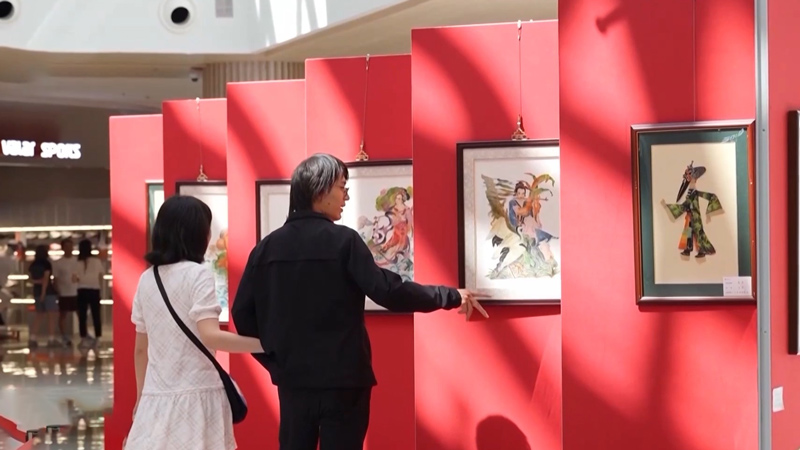
In Sichuan's capital, Chengdu, the millennia-old craft of Shu brocade - revered as the "Mother of Brocades" - is experiencing a remarkable contemporary revival. Designers are deftly integrating its complex patterns and symbolic motifs into modern apparel and accessories, proving heritage can be inherently fashionable. Luo Wen (罗文), a Shu brocade fashion designer, captures this essence with her "Bronze Hibiscus" collection. "The name evokes deep cultural roots," she explains, "yet the colors and fresh arrangements feel distinctly modern. Fashion inherently cycles." This ancient artistry is finding new audiences through savvy digital strategies.
E-commerce platforms and international trade fairs are crucial channels, with some businesses reporting impressive daily sales figures shortly after launching Shu brocade lines. This success signifies more than commercial viability; it represents the strategic elevation of traditional crafts into high-value fashion segments.
Chengdu's government actively fuels this transformation, implementing policies for the high-level preservation and development of Shu brocade and Shu embroidery, and planning major events like the Chengdu Fashion Week to propel the local industry's shift towards a fashion-centric future.
AI Stitches the Future
The evolution isn't confined to aesthetics and marketing; it extends deep into the very process of creation and manufacturing. In Zhejiang, a powerhouse of China's textile and garment industry, artificial intelligence is rapidly moving from a supportive tool to an integral part of the design studio and production line. At factories in regions like Xiaoshan, designers collaborate with AI software.
By simply inputting descriptive text prompts - ideas about silhouette, mood, or fabric - the system generates multiple garment visualizations on virtual models within seconds. This capability, built by analyzing vast databases of fashion imagery (sometimes billions of images), allows for rapid iteration and exploration of styles, fabrics, and colorways, significantly accelerating the design phase. Beyond ideation, the digital transformation permeates production.
Factories employ sophisticated systems where tasks are intelligently assigned via digital dashboards, optimizing workflow and resource allocation across the shop floor. This comprehensive digital integration, spanning design ideation to final assembly, underpins Zhejiang's dominant position in China's fashion manufacturing, boasting multiple massive industrial clusters and consistently leading the nation in textile and apparel revenue.
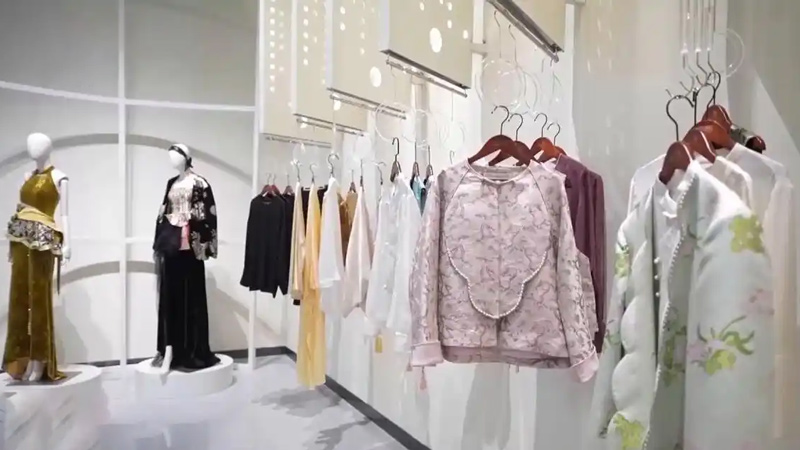
China's fashion scene stands at a unique crossroads. The potent combination ofreverence for cultural legacy and aggressive adoption of technology is creating a powerful new paradigm. Consumers increasingly seek products offering authentic cultural narratives and personalized experiences, met by brands revitalizing heritage through modern design and digital engagement.
Simultaneously, AI's role is evolving from a predictive analytics tool into a genuine co-creator, challenging traditional notions of authorship while unlocking unprecedented efficiency and creative exploration. This complex interplay - where the "Bronze Hibiscus" motif finds life on a global e-commerce platform and an algorithm drafts the next season's bestseller - defines the current moment.
The future promises not a choice between tradition and technology, but their continued, innovative fusion, shaping a fashion identity that is distinctly Chinese, dynamically global, and constantly evolving.