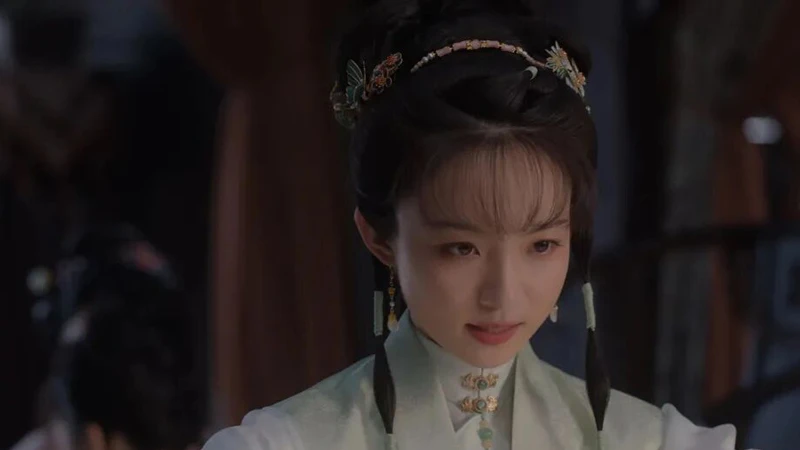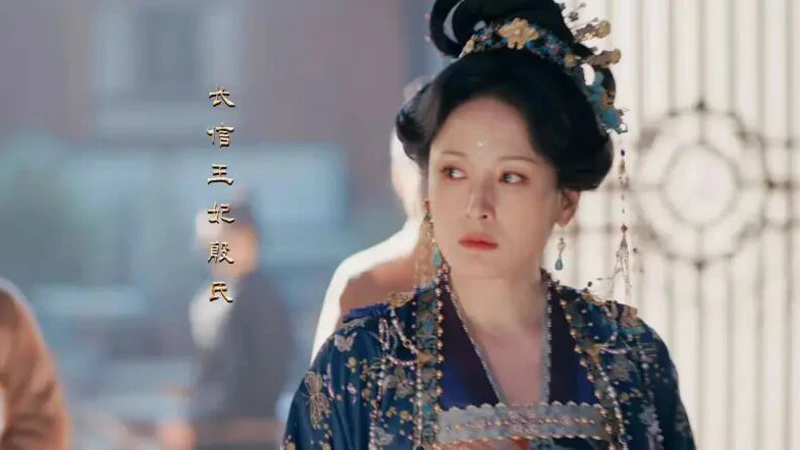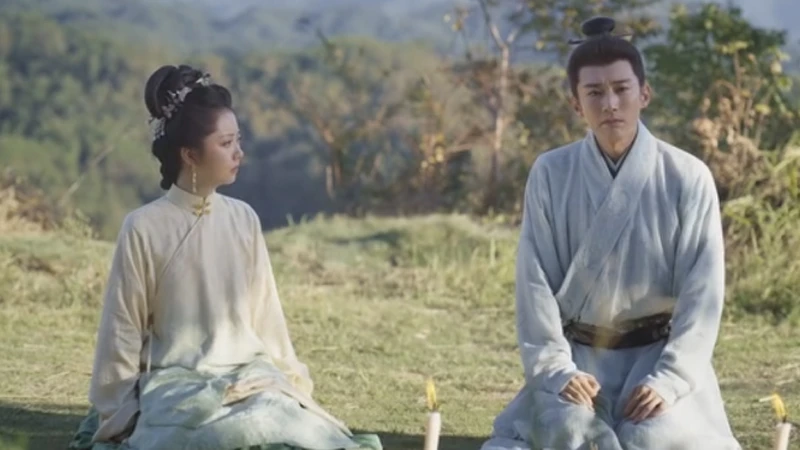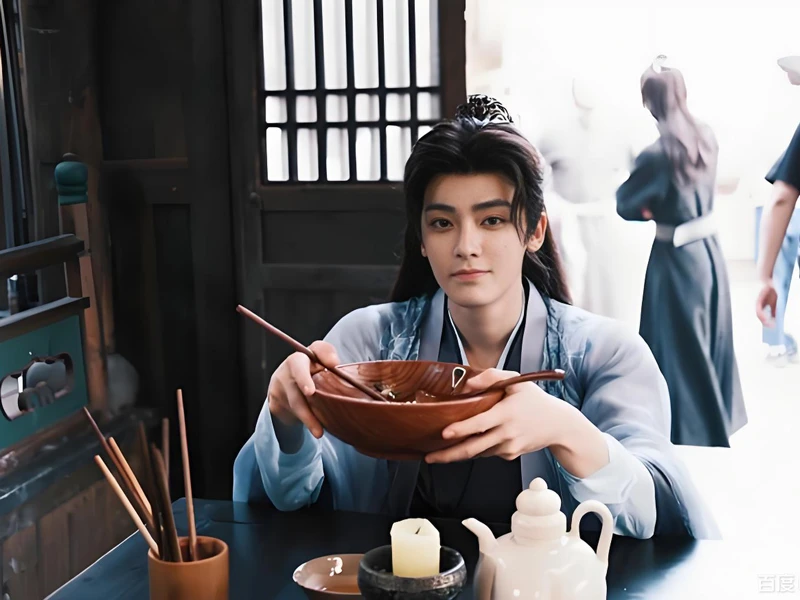
In the captivating world of the drama The Unclouded Soul (逍遥), where humans and Yao (妖, supernatural beings) are locked in an age-old struggle, the most compelling conflict isn’t always found on the battlefield. It often resides in the quiet, painful choices of the heart. The story of Bing Zhu (秉烛) and his sister Tan’er (昙儿) transcends a simple tale of revenge, morphing into a poignant exploration of grief, purpose, and the blurred lines between good and evil. Their bond, forged in tragedy, becomes the emotional core of the narrative, challenging the very foundation of their mission. When Tan’er’s spirit inhabits the demon-slaying blade meant to protect her brother, it creates a unique symbiosis.
Yet, this connection faces its ultimate test not from an external monster, but from a growing internal doubt. The blade’s growing silence in the presence of the mysterious Hong Ye (红烨) sparks a crucial question: when a weapon gains a conscience, who truly wields the power?
A Spirit’s Compassion
Tan’er’s existence within the blade is not that of a mere tool. She retains her consciousness, her memories, and, most importantly, her innate kindness. This becomes evident through her actions, or lack thereof. She does not alert Bing Zhu to every supernatural presence. When encountering The Unclouded Soul, who is neither fully human nor Yao, the blade remains still. It merely frightens other minor spirits like Da Li (大丽) and Luo Luo (啰啰) instead of summoning her brother for a lethal strike.

This selective judgement highlights a critical evolution. Tan’er is no longer an extension of Bing Zhu’s rage. She operates on her own moral compass. Bing Zhu himself acknowledges this shift, noting her reluctance to destroy the water ghosts by the shore because they were wronged souls. Her purpose is refining itself. The vow to “slay all demons under heaven” is being filtered through a lens of mercy and discernment. She is learning to see the individual, not just the category.
Therefore, her initial reports on Hong Ye’s movements stem from caution, influenced by the prevalent rumors painting him as a menace. She is fulfilling her role as a protector. However, as she observes Hong Ye through The Unclouded Soul’s experiences, a new picture forms. Her silence is not a malfunction; it is observation. It is the first sign of her spirit questioning the black-and-white world her brother still inhabits.
Redefining the Enemy
The pivotal moment at the riverside is widely misunderstood. When Hong Ye appears and taunts the blade—questioning why a spirit, now a form of Yao itself, still persecutes its own kind—the dagger’s stillness is interpreted as being “broken” by his words. However, the truth is more nuanced. The blade’s vibration was initially a simple alert to The Unclouded Soul about Hong Ye’s proximity. It was never a signal to Bing Zhu.

This distinction is crucial. It proves Tan’er’s actions are deliberate and independent. Her later refusal to cooperate when Bing Zhu attempts to confront Hong Ye at the misty lakeside forest is a conscious choice. She is not just “broken”; she is convinced. Having witnessed Hong Ye secretly saving The Unclouded Soul without seeking credit, Tan’er has gathered evidence that contradicts the hearsay.
Her steadfast inaction is, in fact, a powerful form of communication. It is her way of pleading with her brother to look beyond prejudice and seek the true culprit. The blade, her vessel, becomes a instrument of peace, physically holding Bing Zhu back from a unjust fight. In this silent protest, Tan’er demonstrates a wisdom that surpasses her brother’s driven hatred. She is not betraying their vow; she is fulfilling its deeper intent by preventing the harm of an innocent.
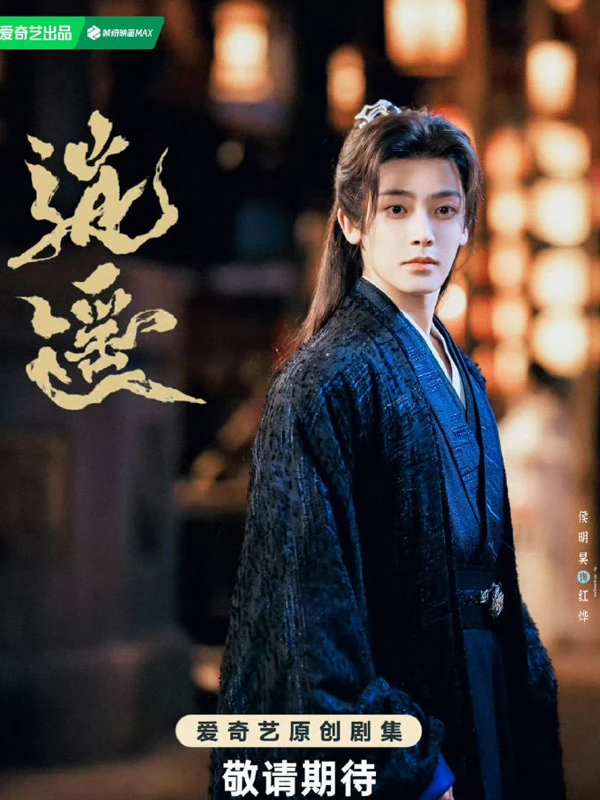
Tan’er’s journey is one from vengeful spirit to righteous judge. Her love for her brother remains absolute, but it now manifests as guiding him toward justice, not just violence. She embodies the hope that even the deepest trauma can lead to understanding, and that the sharpest blade can be sheathed by compassion. Her ultimate wish for release and reincarnation hinges not on slaughter, but on the resolution of this deeper truth, paving the way for both her and her brother’s peace.