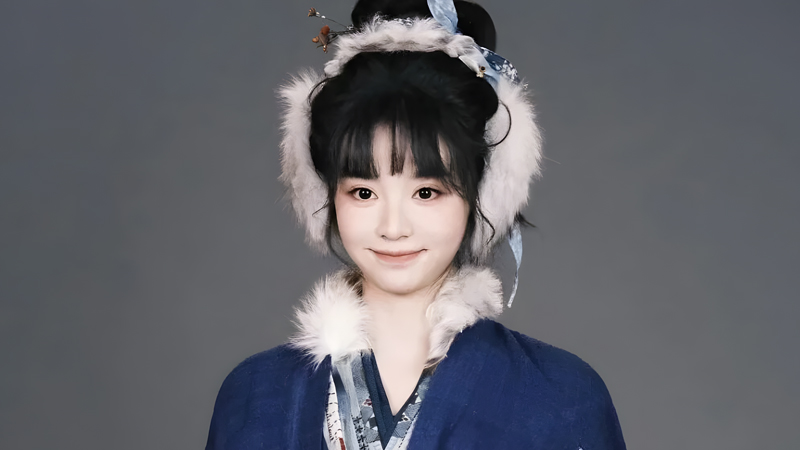
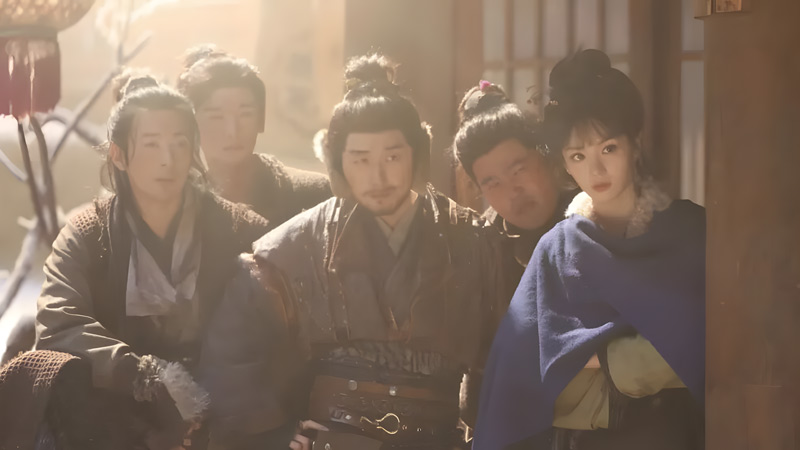
In the historical drama Pursuit of Jade (逐玉), actress Tian Xiwei (田曦薇) recently appeared on screen sporting a pair of fluffy ear covers. They looked almost identical to the ones we use today to combat winter's chill. It was a small, charming detail that sparked a big question for modern viewers: Did people in ancient China really have such sophisticated gear to keep their ears warm? The answer reveals a fascinating story of fashion, function, and even political power.
Far from being a modern invention, the "ear warmer" has a rich history in China. Known by various names over the centuries, it evolved from a simple piece of soldiers' kit into a coveted status symbol at the imperial court, and finally into a delicate, embroidered accessory for the common people. Its journey from the battlefields of the Tang Dynasty to the fashionable streets of modern times proves that when it comes to staying warm and stylish, some ideas are simply timeless.
The Frontier to the Court
The earliest recorded name for this winter accessory was Eryi (耳衣), or "ear clothes," which appeared during the Tang Dynasty (618–907). The poet Li Kuo (李廓) provided the first literary evidence, writing about the "iron-stitched" or "brocade-stitched" Eryi that kept a soldier's ears cold on the windy frontier. Initially, it was practical gear for troops stationed in the bitterly cold north.
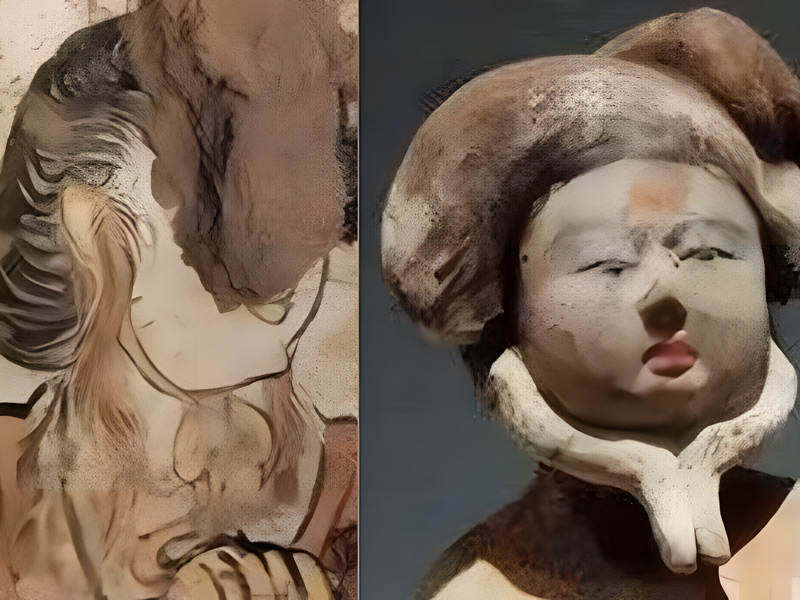
Archaeological findings, such as Tang Dynasty figurines and murals, show two main styles: one was a simple strip of fur or fabric that hung down from the ear, and the other was a more structured cover that enclosed the ear, often tied under the chin. These early versions were likely made from materials like brocade silk or fur and were essential for anyone braving the elements. This was a purely functional item, born of necessity and designed for survival, long before it ever became a fashion statement.
A Symbol of Imperial Favor
By the time of the Ming Dynasty (1368–1644), the Eryi had shed its purely utilitarian image and transformed into a powerful symbol of status. It was now called Nuan'er (暖耳), or "warm ears," and was formally integrated into the official court uniform. According to the History of Ming (明史), before the reign of the Wanli (万历) Emperor, all officials were required to wear Nuan Er (暖耳) during the frigid eleventh month. The most prestigious version was made of precious sable fur and was often a gift directly from the emperor himself, a gesture of immense favor that the recipient would proudly wear the very next day.
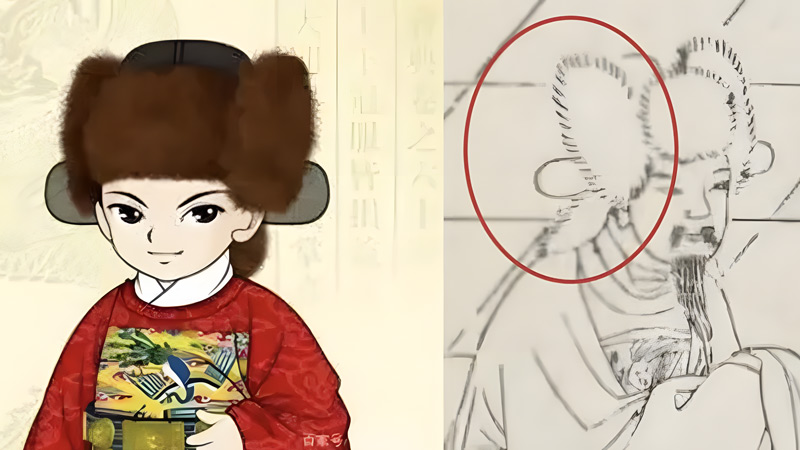
This sable Nuan Er was a luxury item. Historical records note that in the capital's winter markets, the price of ear warmers would skyrocket, much like a modern designer good. The cost to the imperial court was staggering, consuming tens of thousands of strings of copper cash each year to procure the furs, a financial burden that eventually led to the practice being stopped. For the Ming official, a Nuan Er was not just about comfort; it was a warm pat on the back from the highest authority in the land.
An Embroidered Canvas for the People
The final evolution of the ear warmer came during the Qing Dynasty (1644–1912) and into the Republic of China period, when it moved from the exclusive realm of the court to the wider public. This era saw an explosion in creativity and accessibility. The Nuan Er became smaller, lighter, and designed to fit snugly over the ear, often connected by a string so it could be hung around the neck when not in use. The most significant change was the material and decoration. While fur was still used, silk and cotton became common, and the surface became a delicate canvas for embroidery.
Artisans stitched intricate patterns of flowers, butterflies, and scenes from nature onto the fabric, which was often shaped like a heart, a butterfly, or a goldfish . Some even featured embroidered lines of poetry, turning a simple accessory into a personal and artistic statement . It had become a fashionable item for women, a charming detail that combined practical warmth with the wearer's aesthetic taste. This democratization of the Nuan Er shows how a once-exclusive object can be reimagined for everyone, proving that fashion, at its best, is a cycle of reinvention and inclusivity.