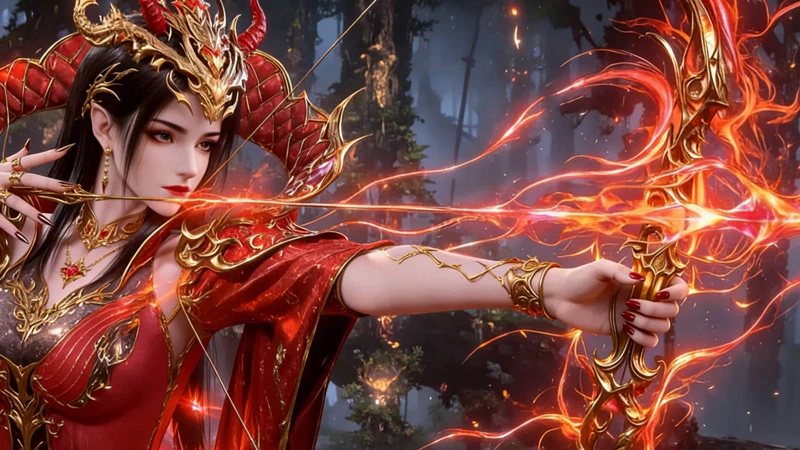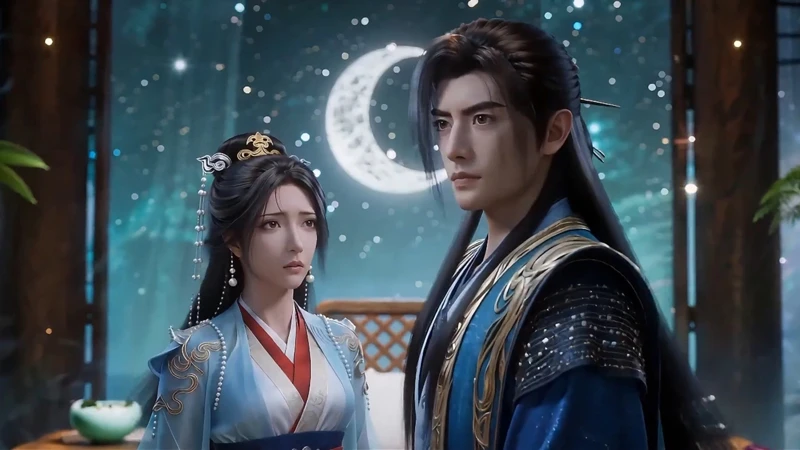
When does fan art cross the line? The popular animated series A Mortal’s Journey (凡人修仙传) is facing this question head-on. The production team recently declared war on what they call “AI small workshops,” announcing a strict crackdown on unauthorized and inappropriate AI-generated fan content. This move has ignited a fierce debate among fans about the boundaries of creativity in the age of artificial intelligence. The core conflict is simple: how does a creator protect its intellectual property (IP) while still fostering the passionate fan community that celebrates it?
The Line Between Tribute and Theft
For a long time, the official team behind A Mortal’s Journey enjoyed a warm relationship with its audience. They encouraged fan creativity, from clever video edits to humorous takes on the story. This mutual appreciation built a strong, loyal community. However, the rise of accessible AI tools has disturbed this balance. The term “AI small workshop” now describes individuals or very small teams who use these tools not for tribute, but for quick profit and attention. They flood the internet with content that looks like the show but feels fundamentally wrong.
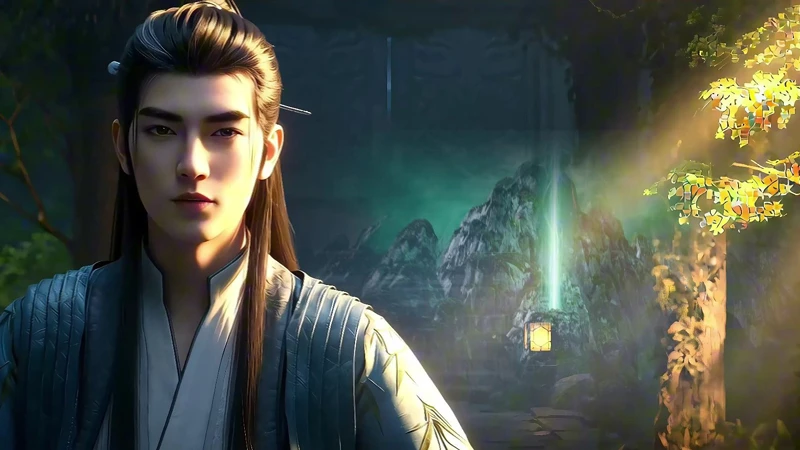
The official statement specifically targets four main offenses. First, there is the distortion of the original plot. Some creators use AI to generate fake sequels, especially during the show’s hiatus. They recklessly change the core personality of the main character, Han Li (韩立), transforming him from a cautious strategist into a thoughtless romantic. Second, they fabricate emotional subplots for other key characters, like Nangong Wan (南宫婉) and Zi Ling (紫灵), which never existed in the source material. This misinformation confuses new viewers and damages the integrity of the story.
Beyond plot distortion, there is a more harmful trend: character defamation. To generate views, some use AI face-swapping and altered dialogue to create vulgar and disrespectful portrayals of beloved characters. This transforms the rich world of cultivation into something tawdry. The final straw for the officials is commercial infringement. Many of these creators are not just playing around; they are monetizing this distorted content. They are directly profiting from the IP’s popularity without any permission, which is a clear violation of copyright law.
When Creativity Becomes a Numbers Game
The speed of AI production has created a bizarre situation. During the animation’s break, the output of these “AI small workshops” has outpaced the official release schedule. Some viewers joke that they are watching AI-generated “fan-made finales” before the official story even gets there. This has led to a strange viewing culture where audiences are sometimes more engaged with bootleg, AI-generated content than with the authentic series. It highlights a hunger for new material, but also a dangerous acceptance of low-quality substitutes.
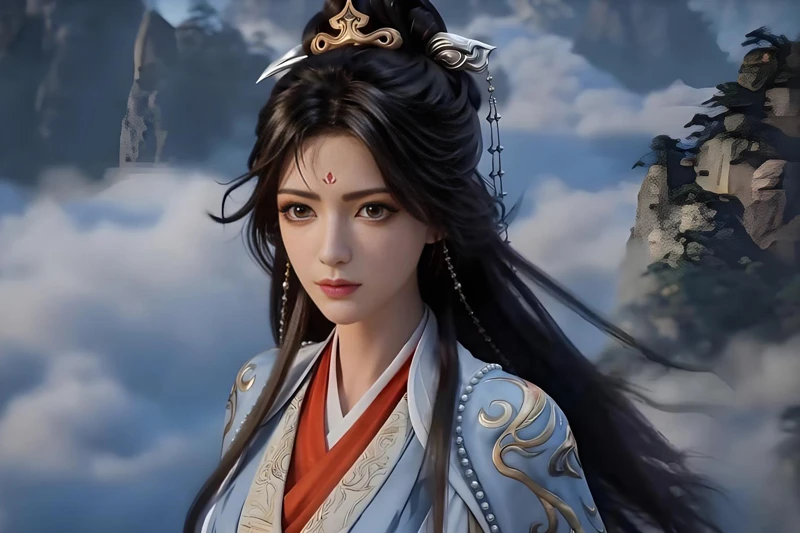
This phenomenon turns creativity into a pure numbers game. The goal is not to craft a meaningful story, but to generate as much content as possible to capture fleeting online attention. These AI creations often lack the soul and consistency of the original work. They are hollow imitations, built from patterns rather than passion. By flooding the market, they make it harder for genuinely creative fan works to stand out. The beautiful, hand-crafted fan art and thoughtful analysis videos get buried under an avalanche of algorithm-generated mediocrity.
Fans themselves are drawing a clear distinction between healthy and harmful fan creations. The community continues to embrace works that stem from a love of the original. They celebrate the fan who creates a stunning ink wash style video edit, or the one who writes a deep analysis of a character’s journey. These tributes respect the source material while adding a new layer of appreciation. The backlash is strictly against content that prioritizes clicks over quality, and profit over respect. This crackdown, therefore, is not a war on fans, but a war on exploiters.
A Future Forged by Law and Love
The production team’s shift from encouragement to enforcement is a significant moment for the Guochao (国潮) phenomenon. It signals a growing maturity in how Chinese IP is managed. The officials have stated they have collected evidence and are prepared to use legal action against repeat offenders. This sends a clear message: the rights of the creators and the original author are not negotiable. It’s a necessary step to establish clear “red lines” for derivative content in the digital age, defining what is acceptable and what constitutes infringement.
However, the fans’ playful comment—”If the officials don’t update faster, the AI workshops will finish the entire story”—hits on a crucial point. A legal crackdown is only one part of the solution. The most effective way to combat low-quality imitation is to provide high-quality originals. The incident serves as a strong reminder to the animation team that they must maintain a steady and engaging release schedule. Compelling official content is the best defense against the chaos of unregulated AI creation. The audience’s primary desire is for a great story, told well.
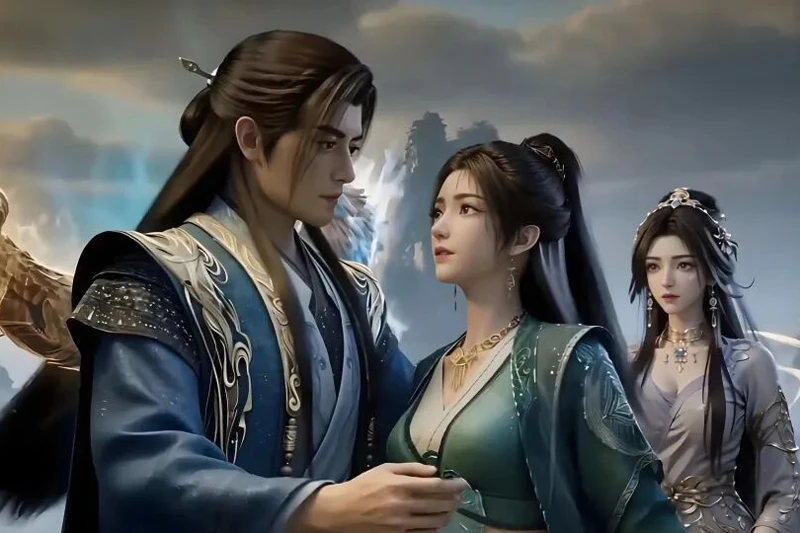
Ultimately, this conflict is about defining the soul of a creative work in a new technological era. AI offers incredible tools, but it cannot replicate human intent and respect. The foundation for a healthy creative ecosystem remains the same: respect for the original work, respect for the legal rights of the creators, and respect for the audience. The crackdown on AI misuse is a defense of these principles. As the community debates what boundaries should exist, the hope is that this leads to a future where official content thrives and genuine fan creativity is celebrated, all within a framework of mutual respect and clear rules.