
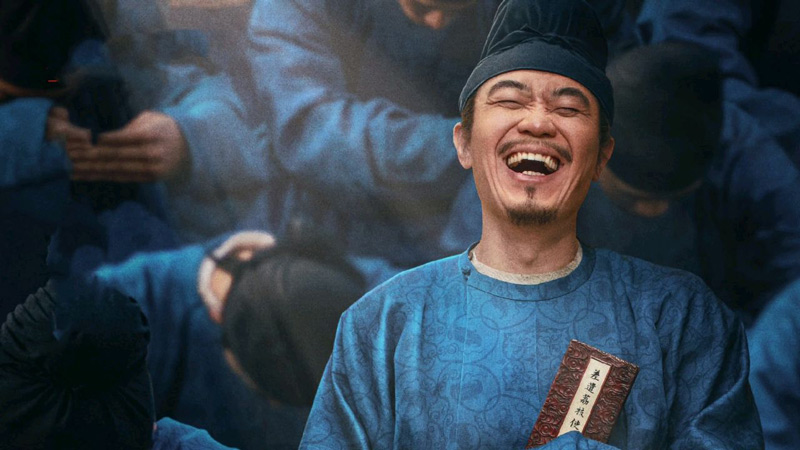
Dapeng’s (大鹏) The Lychees from Chang'an (长安的荔枝) emerges as the summer’s most anticipated cinematic feat, translating Ma Boyong’s (马伯庸) bestselling novella into a visual spectacle. Directed by and starring Dapeng as the low-level Tang Dynasty official Li Shande (李善德), the film chronicles an impossible imperial mission: delivering fresh lychees from Lingnan to Chang’an before spoilage.
The film masterfully balances historical authenticity with narrative tension, earning a 7.7 rating – Dapeng’s highest directorial score to date. Its blend of bureaucratic satire, breathtaking landscapes, and emotional depth offers audiences both laughter and poignant reflection on sacrifice and resilience.
Visual Poetry on Screen
Rejecting sweeping establishing shots, cinematographer employed long lenses to compress space, echoing traditional Chinese painting’s "scattered perspective." Li Shande appears minuscule against Chang’an’s oppressive palace walls, visually amplifying his vulnerability within the imperial machinery. This deliberate framing transforms architecture into a character – cold, imposing, and indifferent to human struggle.
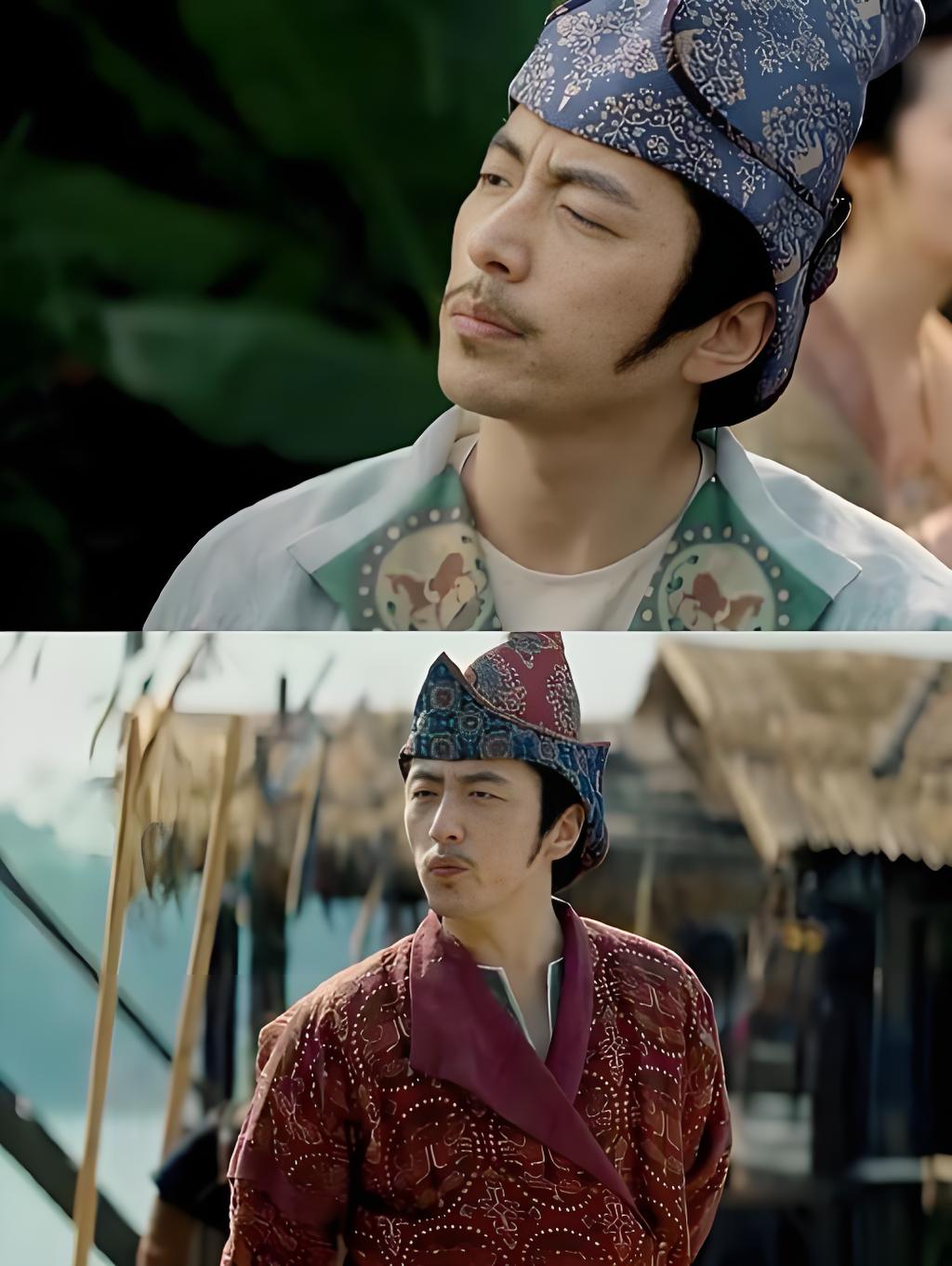
Lingnan provides a visceral contrast. Lush lychee orchards burst with saturated greens, while humid air practically shimmers on screen. Indigenous clothing, rugged dwellings, and bustling port scenes immerse viewers in a frontier region defined by cultural exchange and raw natural power. The production meticulously recreated Tang-era trade aesthetics, from Persian-inspired patterns on Su Liang’s (苏谅) robes to the rustic tools in A Tong’s orchard, grounding the adventure in tangible detail.
The transportation sequences are kinetic marvels. Rapid cuts convey the frantic race against time as riders relay lychee-laden baskets along mountain paths and riverways. Dust-choked trails, rain-slicked bamboo forests, and the final desperate gallop into Chang’an utilize dynamic camerawork and immersive sound design to make the fruit’s fragility and the journey’s brutality palpable. Every galloping hoof beat underscores the human cost buried within imperial decadence.
Narrative Threads Rewoven
While honoring Ma Boyong’s core plot – a bureaucratic trap forcing Li Shande into a near-suicidal logistics nightmare – the film strategically amplifies key characters. Eunuch Yu Chao’en (鱼朝恩), a late-entry schemer in the book, becomes a persistent antagonist. Introduced early, he manipulates Li Shande’s superiors into assigning the mission and later dispatches assassins, transforming him into a personification of courtly malice driving the protagonist’s peril.
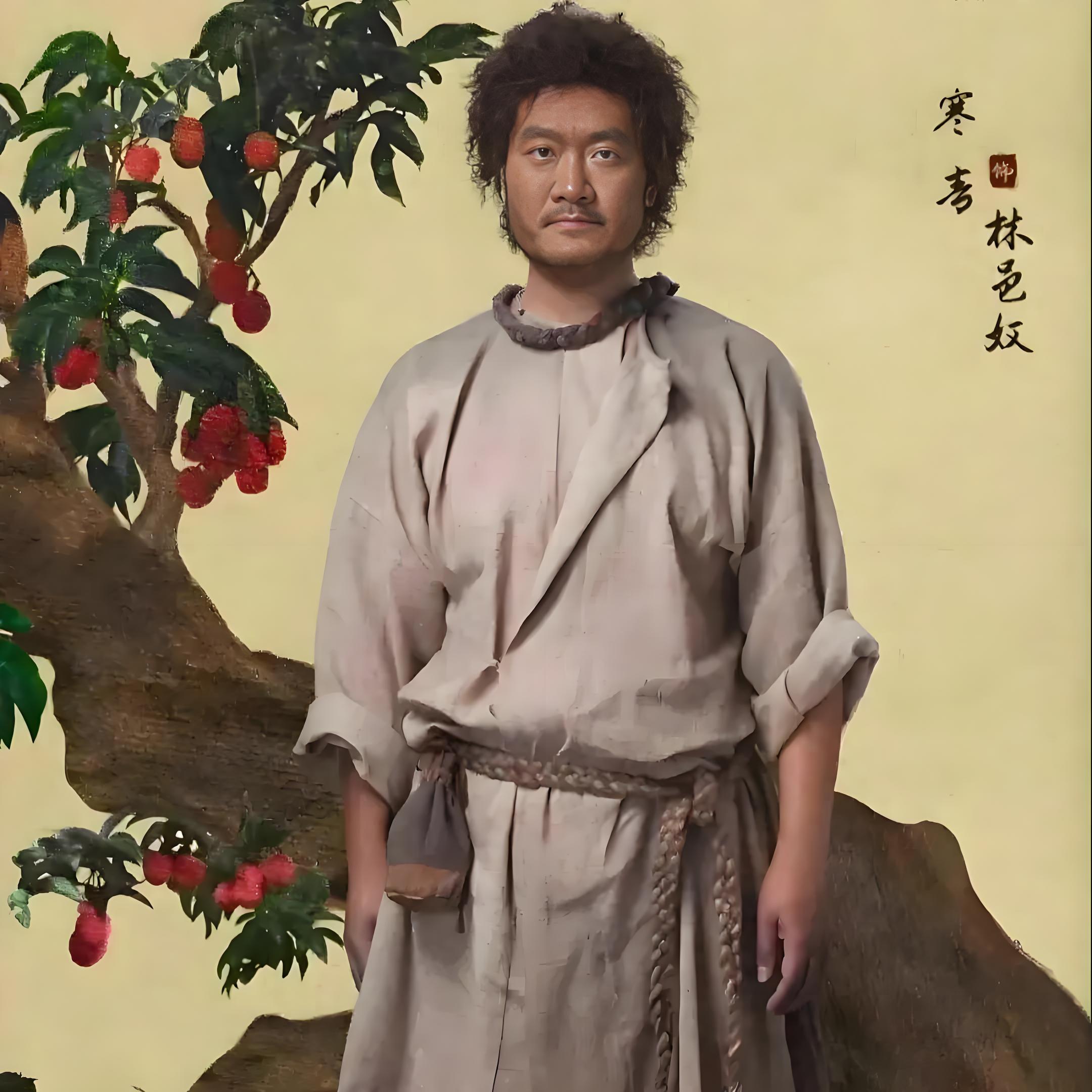
Lin Yinu’s (林邑奴) loyalty arc gains greater emotional weight. His sacrifice isn’t merely repaying a “cup of wine” kindness; it evolves through shared hardships. His final act – taking an assassin’s blade during the last lychee run – becomes a climactic moment of brotherhood forged on the road, heightening the tragedy. His death isn’t just noble; it’s personal.
Su Liang’s storyline undergoes the most significant, audience-friendly shift. Instead of a bitter, sleeve-cutting farewell after Li Shande fails to secure his royal merchant status, Su Liang remains an active ally. His ultimate gesture – using his own ship to ferry Li Shande across a crucial river – preserves their bond. This choice prioritizes enduring camaraderie over betrayal, offering a more uplifting resolution to their complex partnership rooted in mutual need and respect.
Modern Echoes in Ancient Frames
Lychee Run finds surprising humor in timeless struggles. Li Shande’s house hunt in Chang’an mirrors contemporary absurdities: fast-talking realtors, bewildering “floor plans” etched on walls , miniature sandcastle-like property models, and a jarringly modern celebratory gong upon purchase. These anachronistic touches, landing like punchlines, frame Tang bureaucracy as a recognizable ancestor of today’s corporate drudgery.
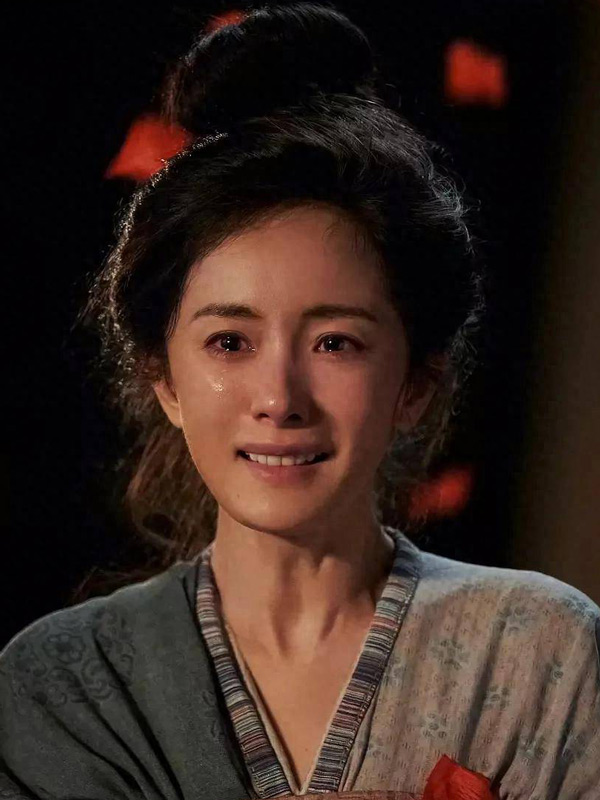
Yang Mi (杨幂), as Li Shande’s wife, delivers a performance of understated power. Limited screen time magnifies her impact. Her quiet strength and the glimpses of their domestic life provide the crucial emotional anchor for Li Shande’s desperate quest. Her tearful relief upon his return , witnessing his aged, broken form, crystallizes the personal toll of his mission. Her presence transforms survival into something worth dying for.
Cameos add playful texture without undermining the drama. Ma Boyong himself appears as a weary clerk, while director Jia Zhangke (贾樟柯) and comedians like Wei Xiang (魏翔) and Song Xiaobao (宋小宝) pop up in brief, often wryly observed roles – a parchment pusher, a grumbling guard, a cynical stable hand. These moments offer breathers, reminding viewers of the vast, indifferent system Li Shande navigates. The film’s success lies in this balance: the crushing weight of imperial demand counterpointed by human connection, ingenuity, and unexpected grace notes found even on a road paved with impossible demands. The "taste of lychee" ultimately symbolizes the fleeting sweetness of survival wrested from an unforgiving world.
