In 1625, Shenyang became the capital of the Later Jin dynasty, setting the stage for a pivotal cultural transformation. By 1636, a deliberate sartorial shift – the codification of the iconic qipao robe – became instrumental in forging a new national identity under Hong Taiji (皇太极). This strategic wardrobe revolution, intertwined with imperial marriages and geopolitical maneuvering, cemented Shenyang’s legacy as the cradle of a garment that would later symbolize Chinese elegance worldwide. The story unfolds through political unions, battlefield victories, and a calculated rebranding of an empire.
The Fabric of Alliance
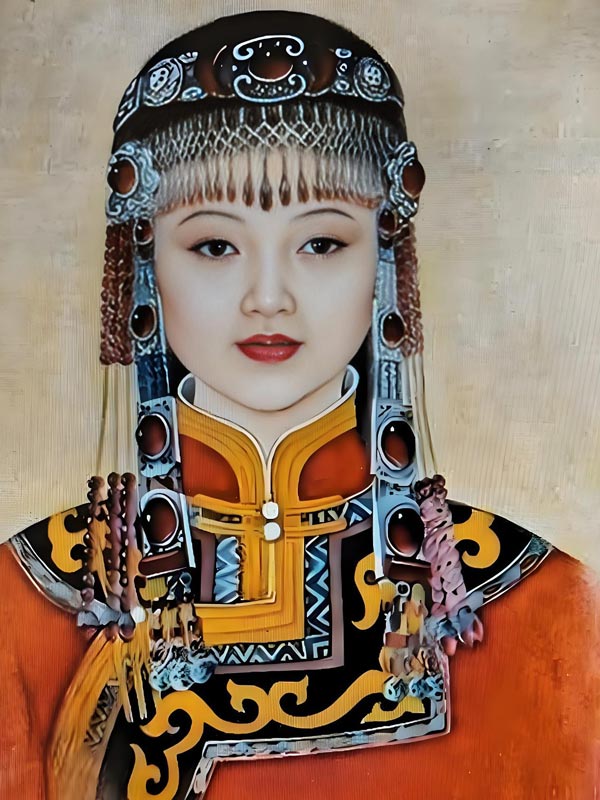
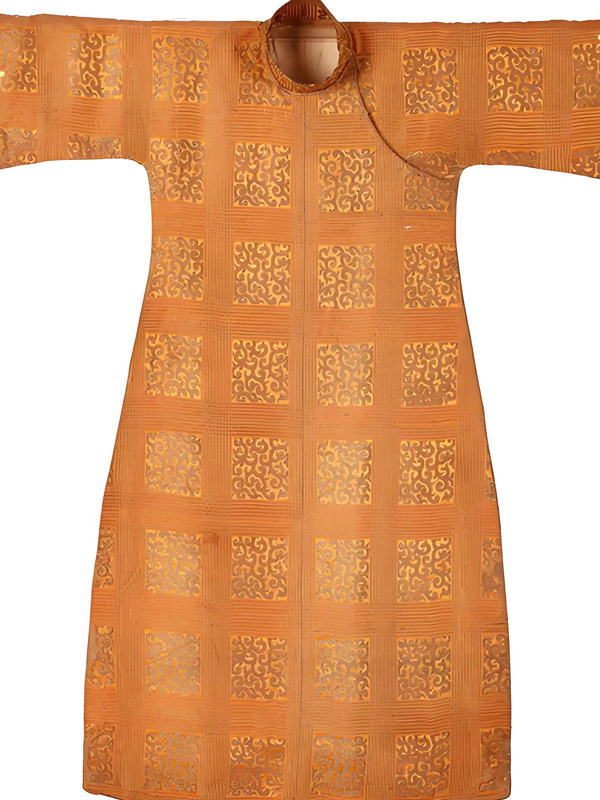
Hong Taiji’s marriage to Borjigit Hailanzhu (博尔济吉特.海兰珠) in 1634 was far more than a personal union; it was a calculated geopolitical chess move. Upon her arrival in Shenyang’s fledgling imperial court, Hailanzhu exchanged her traditional Mongol deel – a loose, belted robe suited for the steppes – for the structured, collarless, side-fastened qipao mandated by her new husband. This act transcended mere wardrobe change; it was a visible symbol of allegiance and assimilation.
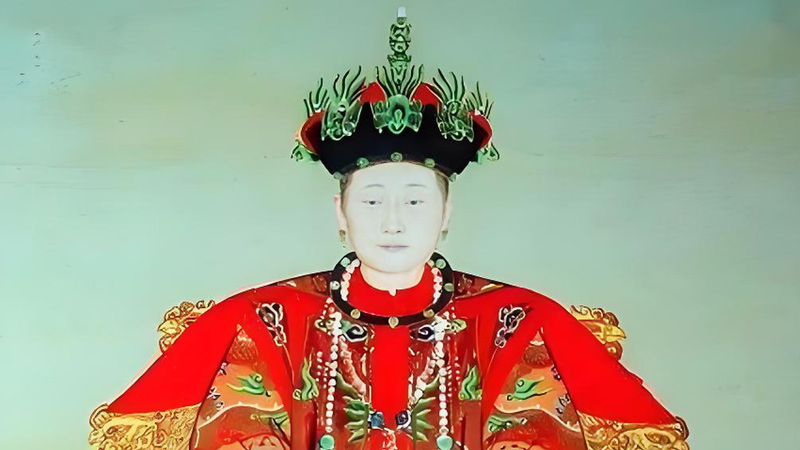
Hong Taiji recognized the potent legitimacy carried by the Borjigit lineage, descendants of Genghis Khan’s revered "Golden Family" who ruled vast swathes of Eurasia. Marrying Hailanzhu, and subsequently several other Borjigit women including the famous Empress Dowager Xiaozhuang ("Bumbutai"), was a masterstroke aimed at co-opting this Mongol prestige and weakening the fractured Northern Yuan confederation led by Ligdan Khan. The adoption of the qipao by these high-status Mongol brides served as powerful propaganda, visually signaling the integration of Mongol nobility into the burgeoning Manchu power structure centered in Shenyang. This fusion laid crucial groundwork for broader regional dominance.
The Jade Connection
The death of Ligdan Khan in 1634 presented Hong Taiji with an unexpected opportunity. Rather than mourning, two of Ligdan’s senior Borjigit wives, Lady Nanzhu and Lady Banzhuer, made a pragmatic choice. They discarded their mourning attire, donned fine qipaos, and presented themselves to Hong Taiji in Shenyang, effectively switching allegiance. Their arrival was not merely symbolic; they brought with them the ultimate prize: the purported Han dynasty "Heirloom Seal of the Realm," inscribed with the legendary phrase "Commissioned by Heaven, Longevity and Eternal Prosperity" (受命于天,既寿永昌). This artifact, missing since the fall of the Yuan dynasty and desperately sought by the Ming court, was a monumental acquisition.
For Hong Taiji, receiving the seal amidst his Borjigit consorts, particularly the favored Hailanzhu, was interpreted as celestial endorsement. It validated his imperial ambitions and seemed to confirm Hailanzhu’s perceived auspiciousness, elevating her status significantly within the Shenyang palace. The seal became the physical embodiment of the Mandate of Heaven shifting towards the Manchus, a narrative carefully cultivated in their new capital.
Threads of Conquest
By 1636, Shenyang was the undisputed political and cultural engine driving Hong Taiji’s vision. The mandatory adoption of the qipao for all Manchu subjects, alongside the absorption of nearly 8,000 Mongol warriors into the Eight Banners following Ligdan Khan’s defeat, solidified a new, cohesive identity. Hong Taiji, a keen strategist, understood the power of symbolism. He recognized the limitations of his father Nurhaci’s dynastic name, "Later Jin" (金). The historical Jin dynasty’s conflicts with the Song were controversial, the name held no specific connection to the Jianzhou Jurchens (Manchus), and crucially, its elemental association with metal was seen as vulnerable to the Ming's (明) supposed elemental advantage (fire melts metal). Possessing the imperial seal provided the perfect moment for reinvention.
Renaming the dynasty "Great Qing" (大清) was profoundly strategic: "Qing" (清) phonetically echoed "Jin" in Manchu, aiding acceptance, while its elemental water association implied water's ability to extinguish fire (Qing overcomes Ming). Simultaneously, Hong Taiji elevated his reign title from "Tiancong" (天聰) to "Chongde" (崇德), a direct, virtue-claiming counterpoint to the Ming Chongzhen emperor's (崇禎) reign title. This comprehensive rebranding, centered in Shenyang and symbolized by the unifying qipao, marked the birth of the Qing dynasty and the city's foundational role in creating a garment destined for global recognition.