
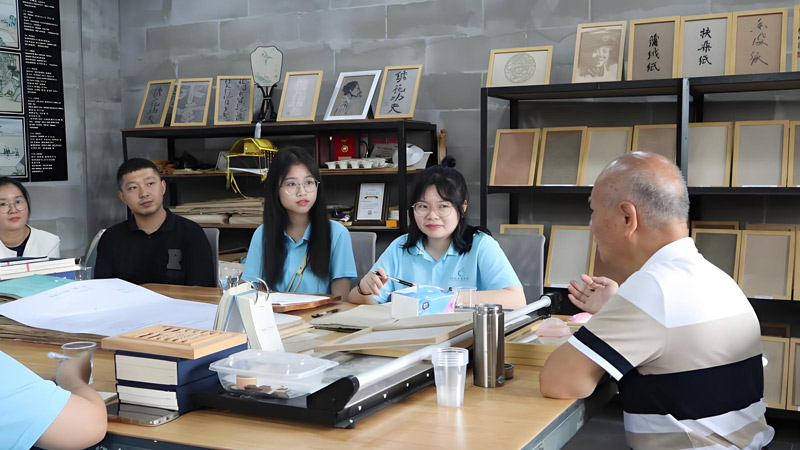
For four consecutive years, Guangdong Light Industry Polytechnic University students have journeyed to Lianma Village in Conghua. Their mission: resurrecting Liuxi paper, a near-lost craft where bamboo transforms into delicate sheets. Villagers greet them warmly, noting how these young innovators consistently bring fresh energy to the ancient settlement. Since 2022, the "Treasure Hunt Lianma" student team has woven academic rigor with cultural reverence, creating a sustainable bridge between campus and community. Their evolving strategy—from technical restoration to creative reimagination—demonstrates how youthful vision can transform heritage into living, breathing contemporary practice.
Roots in Collaboration
A formal partnership between the university's Materials School and Lianma Village established continuity. This framework enabled 17 professors and 28 technicians to provide ongoing support, moving beyond sporadic visits to embedded cooperation. Students adopted a "holiday immersion + routine assistance" model, ensuring consistent presence rather than fleeting involvement. During recent discussions, Professor Xie Guowei emphasized this sustained engagement as fundamental to their progress, allowing deep understanding of both the craft's intricacies and the village's needs.
Their collaboration birthed unique educational initiatives. "Red Culture+" experiential tours now guide visitors through local revolutionary history using digital platforms, while integrating Liuxi paper motifs into thematic learning about integrity. Lotus and bamboo patterns pressed into handmade sheets visually narrate tales of resilience, making abstract virtues tangible. This fusion of heritage and contemporary values strengthens communal bonds while educating new audiences.
Tradition Reimagined
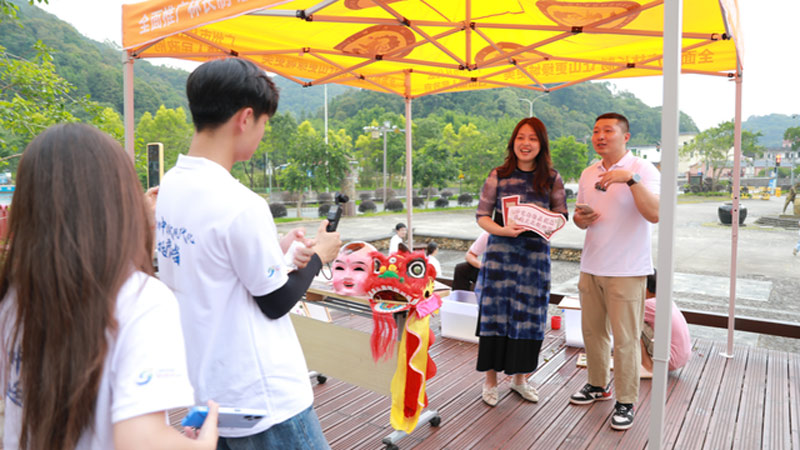
Initial surveys revealed alarming realities: fewer than 10% of villagers under 50 understood Liuxi paper techniques. To counter this generational gap, papermaking expert Lin Runhui (林润惠) and third-generation inheritor Lu Guozhong (路国忠) streamlined the complex eight-step bamboo-to-paper process. Students then transformed this technical foundation into vibrant cultural expressions.
Their 3D-printed mascot, "Lian Xiaozhi," embodies the papermaker's spirit, making intangible heritage relatable and marketable. Musical creativity further amplified reach—students recomposed folk melodies into the award-winning Ode to Liuxi Paper (流溪纸颂), its accompanying videos showcasing Lianma’s landscapes through cinematic storytelling. Illustrated books crafted by faculty mentors Zhang Shuxin and Fu Kun translated ancient techniques into visually compelling narratives, bridging centuries through thoughtful design.
Digital Threads
"Lianma Cloud Tours" live streams became unexpected hits, garnering over 200,000 interactions per session. Viewers digitally traverse bamboo forests, witness papermaking demonstrations, and explore artisan workshops—all from screens worldwide. What began with a single smartphone in 2022 evolved into professional setups managed jointly by students and trained villagers.
Digital Publishing majors now coach residents in content creation, turning smartphones into economic tools. Team leader Liao Junwei observed how members discovered unexpected synergies between their majors and papermaking: "Here, coding skills animate historical archives, design sensibilities reimagine motifs, and chemistry knowledge enhances material durability." This cross-pollination fostered both personal growth and community capability.
Seeding Sustainable Ecosystems
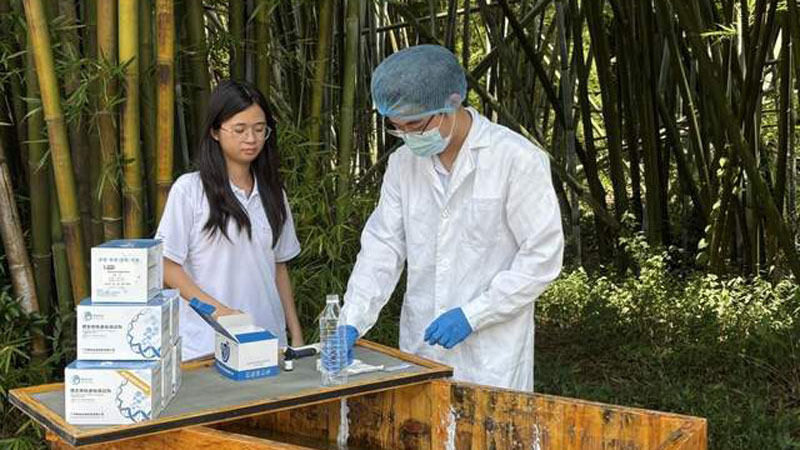
Beyond cultural preservation, the project confronts practical challenges. Students introduced microbial safety technology—a national innovation prize winner—to certify Liuxi paper for food packaging, unlocking commercial potential. NFC chips embedded in paper products link physical items to digital stories; a simple tap reveals bamboo sourcing details or artisan interviews, merging material use with immersive education.
This holistic approach cultivates a self-sustaining cycle. Tourists experience papermaking, purchase embedded-with-story products, and fund local workshops. Researchers refine techniques while entrepreneurs develop markets. Lianma’s evolution—from isolated craft preservation to integrated "culture-industry-technology" ecosystem—offers a replicable model for rural revitalization where heritage isn’t merely protected, but actively fuels community prosperity. The students’ journey illustrates how honoring the past and embracing innovation can coexist, transforming fragile traditions into dynamic engines of renewal.
Building on centuries-old techniques, the students have developed eco-friendly production methods that significantly reduce water consumption while enhancing the paper's natural strength and luminous sheen. They actively experiment with blending recycled fibers and plant-based dyes, creating vibrant new textures and colors appealing to modern artists and designers.
Beyond the workshop, they leverage social media platforms like Instagram and Xiaohongshu to showcase Liuxi Paper's versatility – from delicate bookbinding and elegant stationery to striking contemporary art installations. Their most popular video, demonstrating the paper's incredible durability, garnered over 500,000 views, driving surge in online orders from international craft enthusiasts eager to support the sustainable revival. This youthful energy is proving instrumental in transforming a fading craft into adynamic, globally recognized cultural brand.