
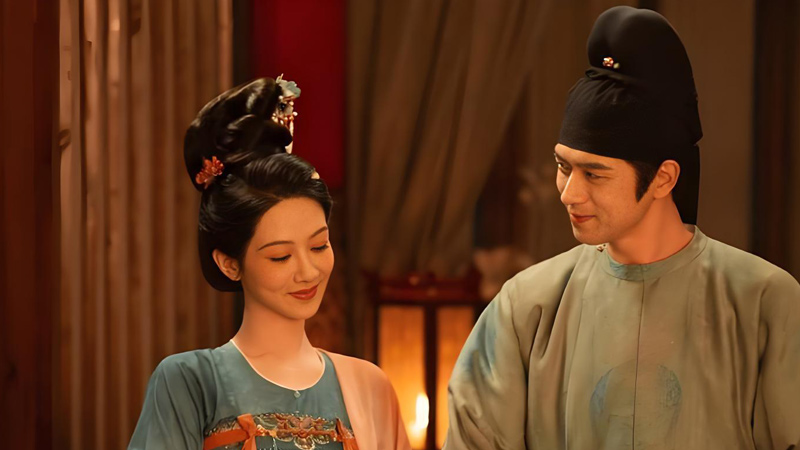
Flourished Peony—debuted this summer, aiming to dominate the seasonal drama race. Yet, despite star power and grand expectations, the show battles sluggish pacing, formulaic storytelling, and uneven performances that leave audiences questioning its potential.
Narrative Stagnation
Flourished Peony opens with a baffling choice: nearly 15 minutes of recap in its first three episodes. This heavy reliance on nostalgia feels less like a thoughtful callback and more like narrative filler, disrupting momentum before the story gains traction.
Audiences quickly encounter familiar tropes—rivals Jiang Changyang (蒋长扬) and Qin Liulang (秦六郎) vying for heroine He Weifang’s (何惟芳) affection. These contrived rivalries dilute the promised "strong female lead" arc, reducing Weifang to a trophy in a tiresome love triangle. One viewer aptly quipped, “Qin Liulang’s role seems purely decorative.”
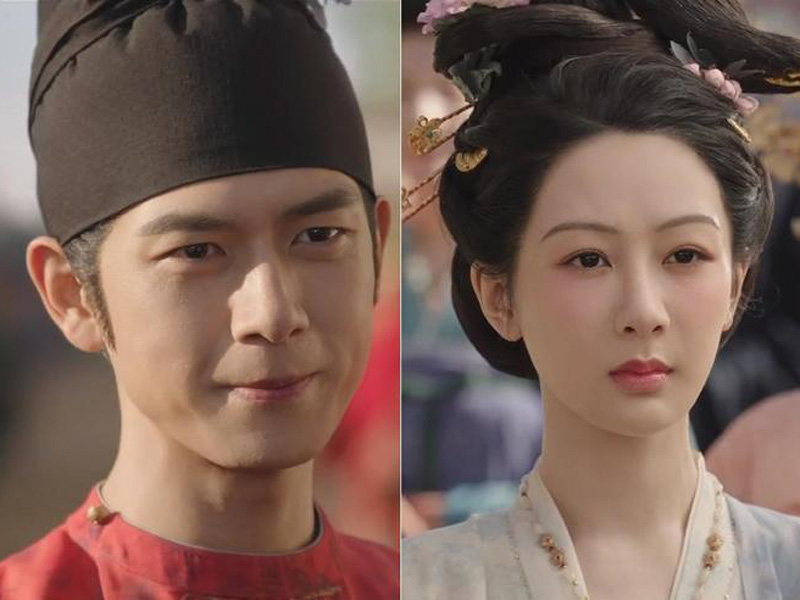
Further draining momentum are recycled conflicts. Villainous concubine Lianzhou frames Weifang’s ally Zhu Fu with clumsy schemes, while jealous noblewoman Li Youzhen sabotages Weifang’s business. Each confrontation feels predictable, lacking the sharp wit or cathartic payoffs of competitors like The Double (墨雨云间).
The plot’s fixation on jealousy, false accusations, and imprisonment grows monotonous. By Episode 5, Weifang faces torture while her friend Xiao Chun shares her cell—a repetitive cycle of suffering that offers little novelty or depth.
Leads Underwhelm
Yang Zi’s portrayal of He Weifang draws sharp criticism. Her immobile, overly polished facial expressions render Weifang emotionally distant. In crowd scenes, Yang Zi’s porcelain beauty ironically makes her blend into the background—a stark contrast to a heroine meant to command attention.
Her performance peaks only in moments of playful flirtation with Jiang Changyang (Li Xian). When shedding the “strong woman” mantle, Yang Zi captures coy chemistry. Yet during confrontations—like defending Zhu Fu—her expressions default to wide-eyed stares, missing the layered fury the role demands.
Li Xian, meanwhile, battles unconvincing line delivery. His mumbled romantic banter evokes a “thuggish flirt” more than an aristocratic suitor. Threatening scenes fare worse; his tilted head and stiff posture undermine Jiang Changyang’s authority, resembling a petulant teen rather than a formidable noble.Both actors shine fleetingly in lighthearted newlywed moments, suggesting their talents suit rom-com dynamics better than period-epic gravitas.
Supporting Cast Soars
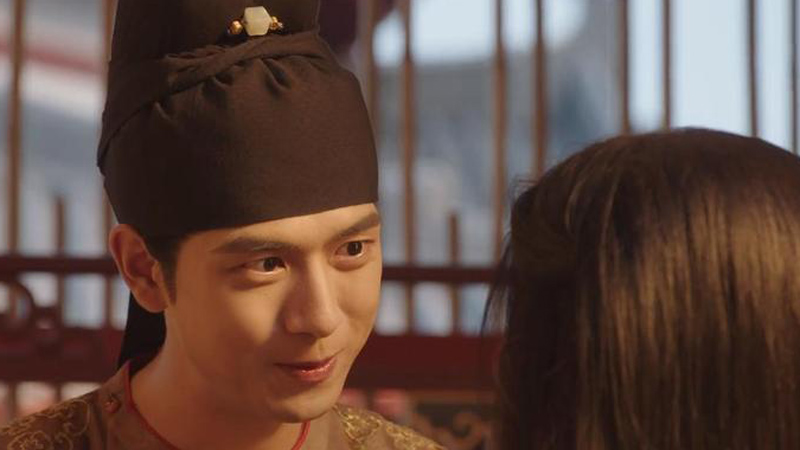
While leads flounder, supporting actors inject vitality. Wei Zheming’s Liu Chang (刘畅)—Weifang’s obsessive ex-suitor—becomes the show’s unexpected anchor. His portrayal of heartbreak and menace mesmerizes; even when threatening Weifang at knifepoint, his eyes reveal aching vulnerability beneath the rage.
Wei masterfully balances Liu Chang’s unraveling psyche. A post-success confrontation with Weifang, where his pride crumbles into silent devastation, resonates deeply. Audiences admit, “I can’t hate him—he’s too compelling.”
Elsewhere, Guan Le’s fiery Zhu Fu and Bao Chenxi’s spiteful Lianzhou deliver crisp, memorable turns. Zhang Yaqin’s Li Youzhen terrifies with mere glances, proving minor roles can eclipse protagonists when written and performed with conviction.
Lost Potential
Flourished Peony’s core flaw lies in its identity crisis. Promoted as a female empowerment saga, it sidelines Weifang’s agency for petty harem squabbles and male saviors. Her business acumen and resilience—now feel like afterthoughts.
The production’s lavish costumes and sets can’t mask hollow storytelling. Endless scenes of Jiang Changyang “rescuing” Weifang from manufactured crises grow tedious. As one critique notes: “This isn’t a ‘grand drama’—it’s reheated palace tropes.”
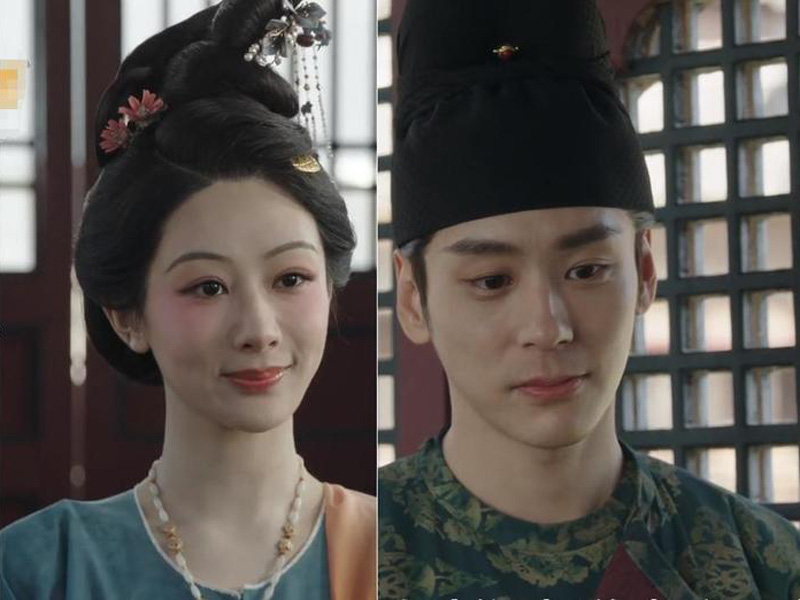
Yet hope lingers. Upcoming episodes promise compelling additions like Shen Mengchen and Xu Lingyue’s characters. If the script recenters Weifang’s growth and embraces its stellar supporting cast, Flourished Peony could still bloom late.
Flourished Peony stumbles under the weight of its own hype. Hamstrung by stiff lead performances and derivative plotting, it leans heavily on standout turns from Wei Zheming and the ensemble. For now, audiences watch cautiously—waiting to see if this sequel can rediscover the bold spirit of its predecessor.
