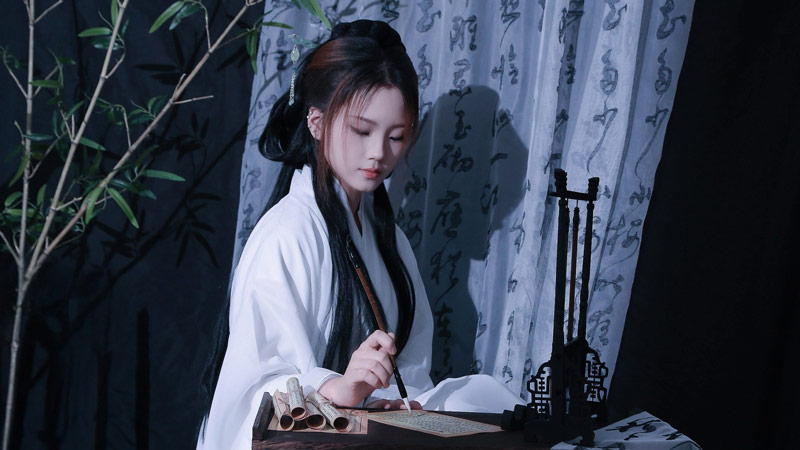
Why are there always such strange arguments about Hanfu (汉服, the traditional clothing of the Han ethnic group)? I'm going to complain about some outrageous statements about Hanfu. Why do people make a mountain out of a piece of clothing?
The Debate on Hanfu
Firstly, there are always strange arguments under Hanfu-related videos. Oh my god, who can stop those people who keep saying, "People wearing Hanfu these days all look like noble ladies. In ancient times, commoners didn't wear such clothes." Why on earth should people wear hemp clothes when we've achieved a moderately prosperous society? Even until the era of Sherlock Holmes in the West, the suits of working people were full of patches. Then why don't you wear tattered suits with patches when you wear Western-style suits? And some people say that there was no certain color in ancient Hanfu.
Secondly, let me complain about some outrageous statements about Hanfu. Every time I see someone say, "The Hanfu that modern people like to wear was worn by nobles in the past. Commoners wore coarse cloth and hemp clothes. Wearing Hanfu means forgetting our ancestors." I just want to laugh. Is it possible that the brightly colored and diverse blended or polyester fabrics are our modern "coarse cloth and hemp clothes"? Do these people not buy clothes?
Thirdly, why do people make a mountain out of a piece of clothing? This post is mainly for those who don't understand the meaning behind the revival of Hanfu. Nowadays, many people wear Hanfu just to take nice photos and look beautiful. But when you put on this piece of clothing, have you ever thought about why this ancient product, Hanfu, has reappeared in modern people's vision?
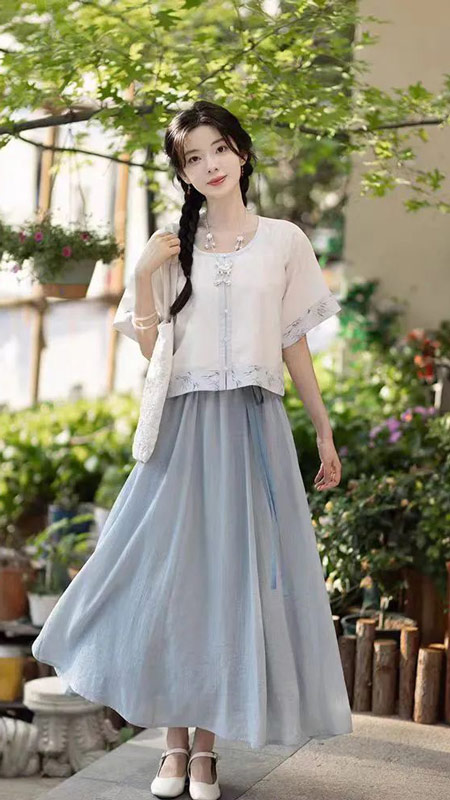
Group Photos of Ethnic Groups
In modern times, in several group photos of ethnic groups, only the Han people wear modern clothes, which is inconsistent with the long - standing image in historical records. The sense of ethnic loss has become stronger. I believe that most Han people nowadays adhere to simple nationalism. Simply put, simple nationalism means caring about the interests and culture of one's own ethnic group while respecting other ethnic groups. In fact, most ethnic minorities also hold this view, but the Han people realized it much later.
The sense of ethnic loss caused by the Qing Dynasty has led to the germination of simple nationalism among the Han people in modern times. As a direct carrier of Han ethnic culture, Hanfu has been revived. What are people in the Hanfu circle arguing about? They reject the attempt to label Manchu culture as Han culture. The reason has been clearly stated above.
The revival of Hanfu is essentially due to the germination of simple nationalism. Products like the late Qing Han women's clothing and the Tunbao Fengyang Han clothing were born under the influence of the policy of shaving hair and changing clothes. Hanfu died because of this policy, so how can we recognize these things as Hanfu?
Moreover, the Han ethnic group is one of the original ethnic groups in China, and the dignity of the Han ethnic group cannot be violated! There have been disputes between the two ethnic groups regarding clothing. Some people still insist on imposing Manchu - related things on the Han people, which of course arouses public outrage.
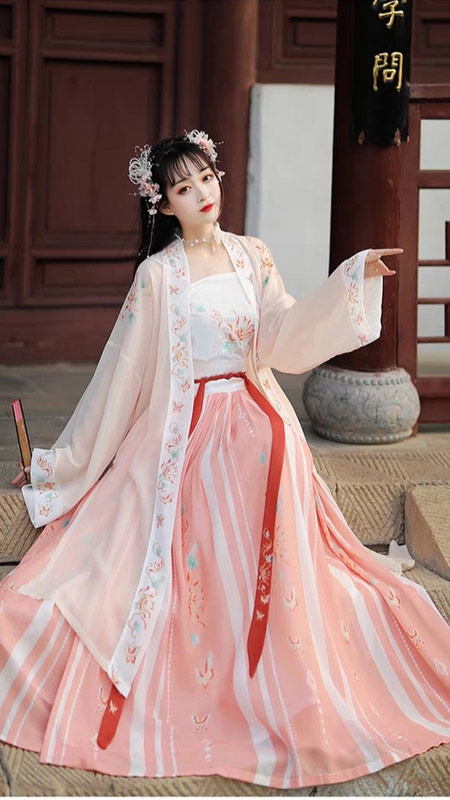
Some people don't do any research and just blindly try to maintain unity. They don't realize that they are harming the interests of their own ethnic group, which will only keep the quarrels going. The core group of the Hanfu revival are those who are serious about it. It was thanks to their efforts that Hanfu was revived. Later, its influence expanded, attracting many passers - by.
Some merchants saw business opportunities and introduced late Qing Han women's clothing to expand their product range. Some people are happy wearing it without knowing the original intention and meaning behind the Hanfu revival. As the traditional ethnic clothing of the Han people since ancient times, Hanfu has always been a serious matter. In the end, I hope more people can understand the real meaning of Hanfu revival and respect the dignity and culture of the Han ethnic group.