In the historical drama Palm Heart, Liu Shishi donned a Tang-style shirt paired with an outer vest, sparking discussions among netizens: Isn't this just a vest? And it can be worn outside?
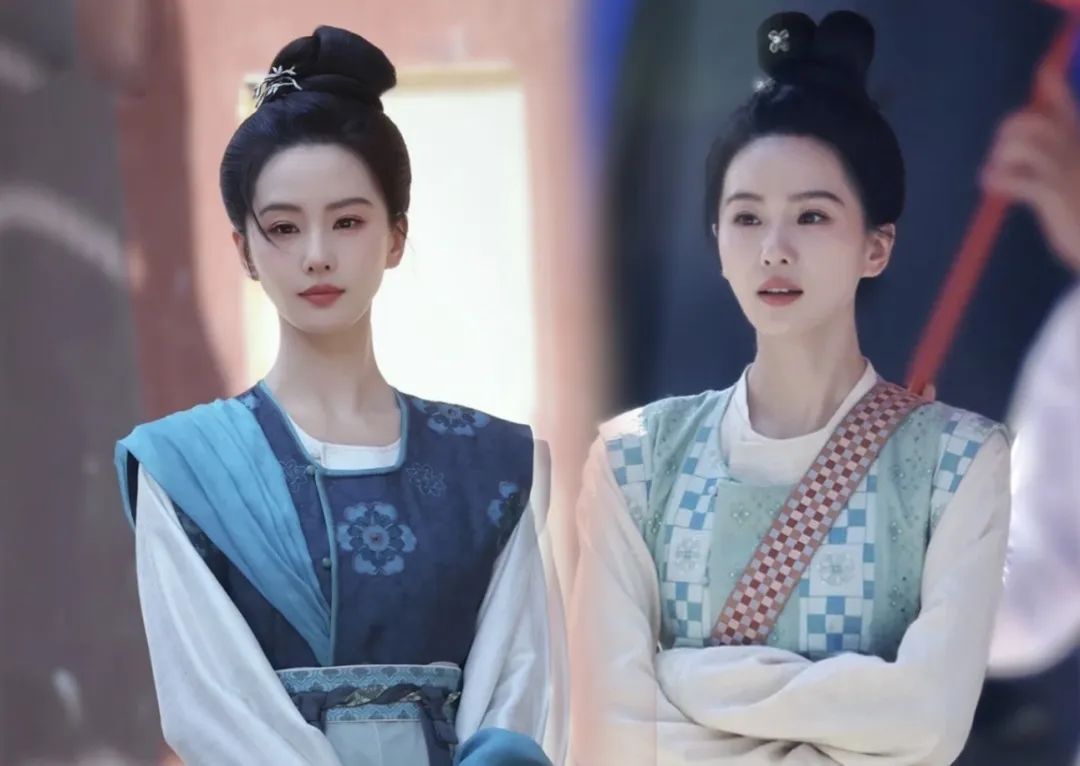
This outer garment, known as Beizi (背子), was a popular style in early Tang Dynasty. It came in various designs, including the Tanling (坦领, open-collar), Jiaoling (交领, crossed-collar), and Jixinling (鸡心领, sweetheart neckline). The Tanling design, in particular, resembles modern-day vests, typically worn over long-sleeved inner garments.
Though both Beizi and Banbi (半臂, half-sleeved jacket) were outerwear, they differed in sleeve length. Beizi was sleeveless, while Banbi had half-length sleeves, hence the name. Historical records suggest Banbi predated Beizi, with Emperor Gaozu of Tang shortening the sleeves to create the latter.
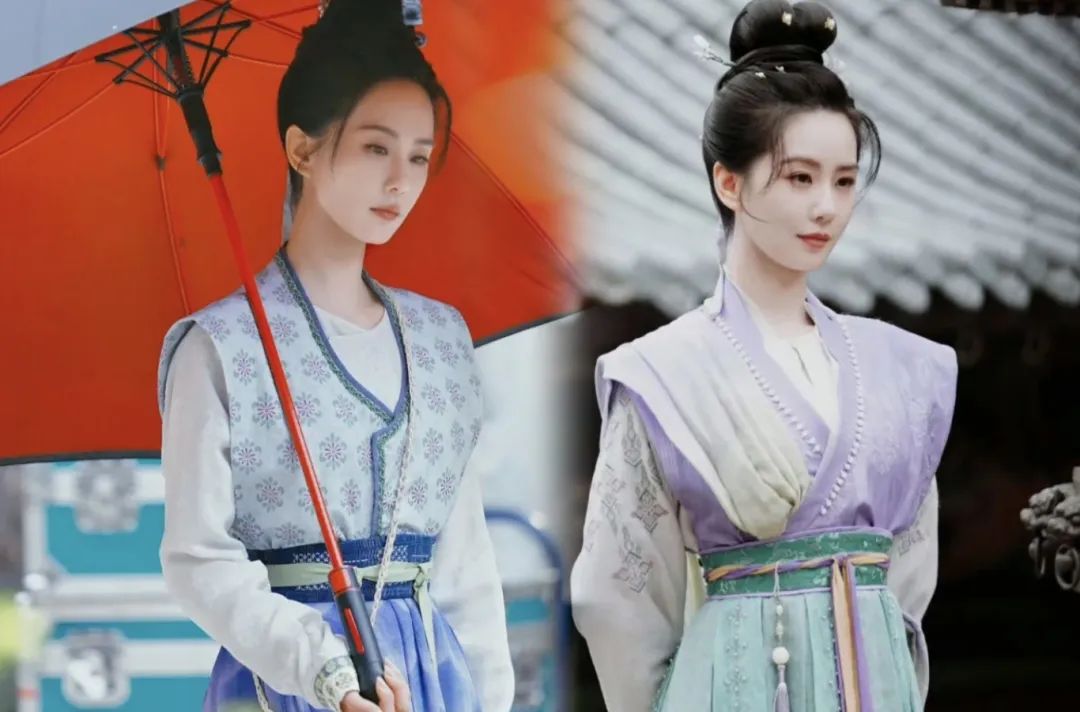
By the Song Dynasty, Beizi evolved into a more generalized term, Beizi (褙子), encompassing sleeveless, long-sleeved, and mid-length sleeve designs. It became a unisex garment, with men's versions featuring Panling (盘领, round collar) for military officials and Dui Jin (对襟, front-opening) or Jiaoling for scholars. Women's Beizi often had front-opening designs, as depicted in The Dream of the Capital (东京梦华录).
This fusion of functionality and style made Beizi a practical choice for daily wear, much like Liu Shishi's character Ye Ping'an, whose outfit surprised fans with its modern appeal. The timeless design proves that Hanfu (汉服) can indeed be both elegant and everyday-ready.