

If most modern Chinese romance dramas end in a predictable overdose of saccharine tropes, Because It's Love is like pouring a bottle of whiskey into that candy jar—sharp, intoxicating, and surprisingly addictive.
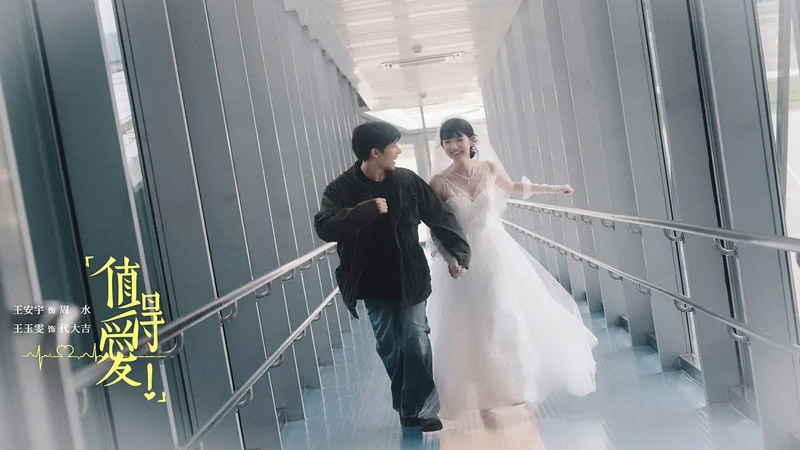
Starring Wang Anyu and Wang Yuwen, this gritty love story has captivated audiences since day one, racking up over 100 million views within its first 48 hours. Viewers have nicknamed it "The Mad Love Diaries of Beijing Dreamers," and for good reason. The show follows two millennials—Zhou Shui (played by Wang Anyu) and Dai Daji (played by Wang Yuwen)—as they chase their dreams in the capital, supporting each other through poverty, heartbreak, and an 18-year-long detour before finding their way back together.
Their story unfolds across two timelines. In the early 2000s, Zhou and Daji are inseparable, bonded by shared hardship and big dreams. But life, as it often does, tears them apart. Fast-forward nearly two decades, and it's a pair of Gen Z kids who stumble upon traces of their old love story, setting off a wave of rediscovery and reflection. Is love worth it? Do we still dare to believe in it?
Because It's Love blends dual-timeline storytelling with absurd comedy and raw, uncomfortable truths, carving out a unique space in Chinese urban drama. Here, love isn't polished or perfect—it's messy, awkward, painfully real.
Grit, Grind, and Goofy Chaos

Forget the old formula of the domineering CEO and the wide-eyed ingenue. Zhou Shui is broke and proud, a wannabe filmmaker who roams the city with a handheld DV cam, recording life like he's already directing an indie masterpiece. He's got long hair, ripped jeans, and an idealist streak that borders on obsessive. But beneath the swagger is someone vulnerable, constantly battling the gulf between dreams and reality.
Dai Daji, on the other hand, is anything but a damsel in distress. She's a fierce, no-nonsense fighter. When she finds out her ex cheated, she storms into the dorm with a hammer and trashes his bed. To support Zhou Shui's dream, she's hustled everything from sketchy health tonics to street stall snacks.
Their love story is a rollercoaster of sugar and sting. They bicker in cramped rental flats, joke over instant noodles, and lean on each other through every breakdown. The series doesn't try to glamorize romance. It digs deep into the mess: the compromises, the frustration, the emotional bruises that come with staying in love. For many viewers, it's been an unexpected mirror, forcing them to re-examine their own beliefs about love.
And then there are the moments—those gloriously chaotic, laugh-out-loud scenes that capture the unhinged beauty of youth. Daji barging into the boys' dorm with a hammer while Zhou films the whole thing. The two of them taping newspapers to the walls of a love hotel to create their own "pure love zone." The airport confession scene that doesn't involve roses or apologies but a cheesy, ride-or-die pledge to become "the most scandalous couple in the film industry." These aren't your usual romantic clichés—they're insane, heartfelt, and deeply relatable.
Two Timelines, One Shared Dream
Director Zhang Lichuan crafts a mesmerizing montage between two generations, connecting the impulsive madness of the 2000s with the pragmatic disillusionment of today. It's a mirror that reflects not just nostalgia, but a generational shift in how we perceive love, success, and freedom.
When Gen Z characters discover the old hard drive that documents Zhou and Daji's love saga, they leave bullet-screen comments like "So 2000s... Can't believe they were that wild!"—and just like that, the gap between past and present vanishes. The show isn't just a tribute to youth; it's a rebellion against shallow, idealized love. In this world, lovers might split a pack of instant noodles three ways, but they sure as hell won't fake their way through a designer love story.
Though romance is at its heart, Because It's Love is also a love letter to Beijing's struggling youth. There are no CEOs, no Cinderella makeovers. Just the smell of street pancakes, unpaid rent, and distant dreams of owning something—anything—in the CBD skyline.
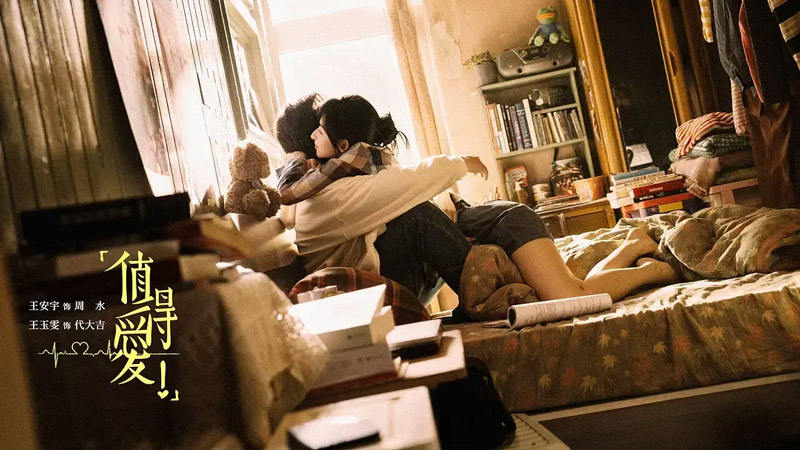
Daji writes screenplays under a streetlamp to save electricity. Zhou pretends to be the heir of a hotpot empire just to finish a microfilm. They melt in the summer heat but can't afford air conditioning. This isn't poverty porn—it's dark humor, a quiet rebellion against a system that demands success without offering a fair shot.
When love crashes into the hard wall of survival, the show doesn't offer fairy tales. It gives you a truth bomb: being broke sucks, but a shared movie ticket can still mean everything.
There's one line in the series that hits like a freight train: "If you knew your Beijing dream would end with going back home, would you still come?" And maybe the answer lies in Zhou and Daji's mad leap into the "golden sea" of the subway. It's not about where they land—it's about how brightly they burn on the way down.
So, is Because It's Love a romance drama? Sure. But more than that, it's a love letter to the losers, the dropouts, the broke dreamers who dared to try anyway. It reminds us that love can be a mess, but it can't be fake. That dreams might fall apart, but we should never grow numb. And that youth—no matter how cringe, chaotic, or absurd—is the hottest flame we ever burn.
