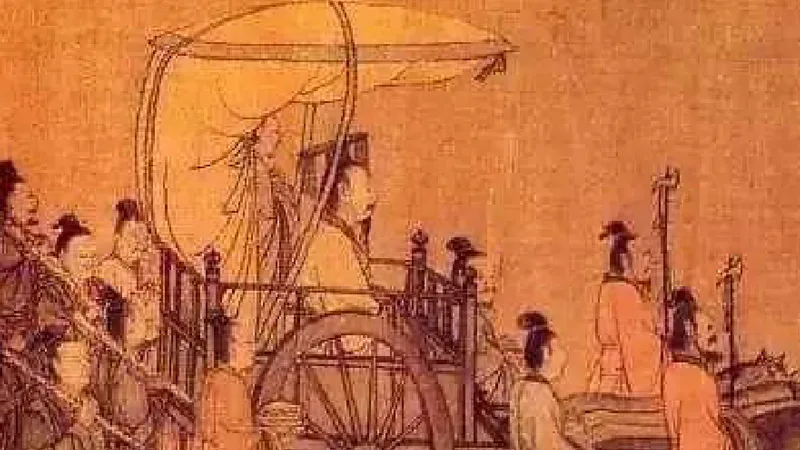
Modern summer often means sunscreen, UPF clothing, sunglasses, and ice sleeves. Long before those inventions, people in China faced the same burning sun. They did not know ultraviolet rays or SPF numbers. Yet they did not simply wrap themselves in heavy layers. Their answer was lighter, smarter, and often more stylish: fine silk, plant fibers, wide hats, and herbal face powders. They treated sun protection as daily dress, not a pharmacy aisle. Their choices were not primitive substitutes for modern products; they were a different kind of engineering. The materials they chose show close attention to airflow, weight, and glare.
Silk and Gauze
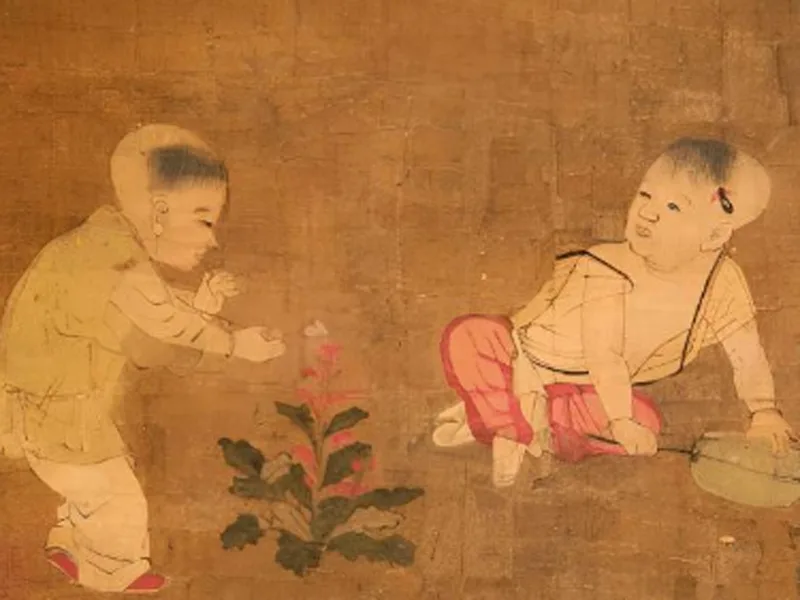
Women of wealth often wore gauze and leno silk, fabrics woven with tiny openings. Air moved through them, but the weave was dense enough to hide the body. Court rules recorded in Records of Palace Life linked wardrobe changes to the lunar calendar: a lighter leno robe in early summer, then an even thinner gauze robe a month later. Fashion followed the season with almost bureaucratic precision. The point was not to cover up at any cost, but to cover up while barely feeling covered. A robe could look opaque in shade yet reveal coolness in movement. Silk’s cost meant this option belonged mainly to court and elite homes, but its logic spread.
At Mawangdui (马王堆), archaeologists found a plain gauze robe weighing only 49 grams. It may have belonged to Xin Zhui (辛追). Folded, it could fit into a matchbox. Worn, it felt almost absent. Yet it still blocked strong light. That single garment says much about early Chinese textile skill: protection did not need to be thick, dark, or uncomfortable. The tiny threads were spun and woven so evenly that air passed through countless gaps. The robe’s survival also proves how carefully such garments were stored and valued.
Women in the Tang dynasty added a sheer shawl called a peizi (帔子) over high-waisted skirts. Murals show flying apsaras with long, thin drapery floating from their shoulders. The shawl covered arms and shoulders while letting wind pass. It also turned sun defense into elegance. A useful layer became part of the silhouette, not a hidden practical burden. The shawl could be draped, crossed, or allowed to trail, changing with posture and wind. It protected without sealing the skin, a balance many modern garments still chase.
Kudzu Cloth
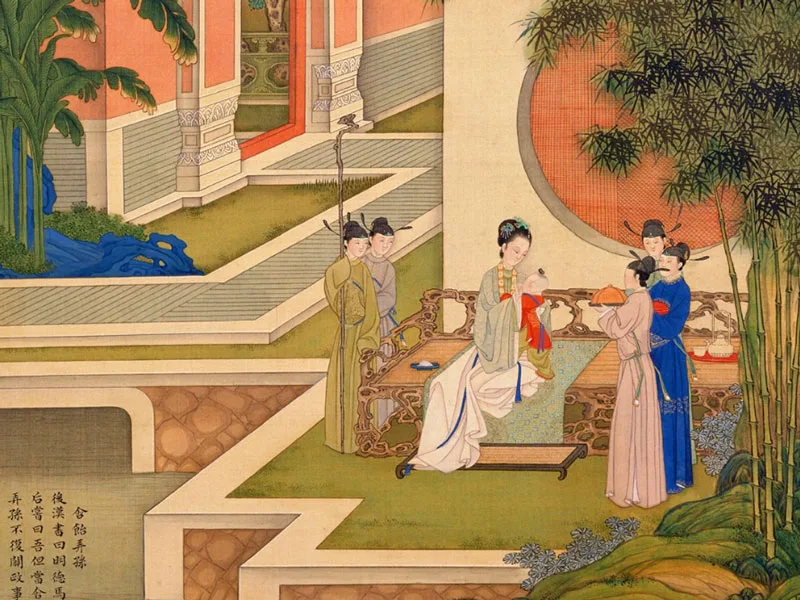
Nobles had silk. Farmers, travelers, and ordinary households relied on kudzu cloth, or ge (葛). The fiber came from vines. People gathered, soaked, pounded, and softened them, then wove a loose fabric. The result absorbed sweat, dried quickly, and stayed away from heated skin. The Classic of Poetry mentions such cloth, showing that this was not a rare trick but a long-standing summer solution. Unlike silk, kudzu did not demand wealth. It demanded labor and local knowledge, which made it common across regions where the vine grew.
A common ge jacket was simple: open front, wide sleeves, length covering the hips. The weave had many holes. Sunlight lost some force as it passed through, while breezes kept moving. In fields or on market roads, the cloth protected shoulders and backs without turning into a portable oven. It was practical clothing for people who could not retreat indoors at noon. The loose weave also dried fast after rain or sweat, a useful feature for anyone working outdoors for hours. Repairs were simple, and the cloth softened with repeated wear.
Mozi (墨子), the philosopher, praised summer wear made from fine or coarse kudzu. He described it as light and clean. His approval was not a luxury endorsement. It was an argument for useful design: keep the body cool, keep work possible, and let simple materials do the job. His words carried weight because they matched daily experience. A farmer did not need luxury to avoid heatstroke; he needed a material that cooperated with wind and sweat.
Hats and Powder
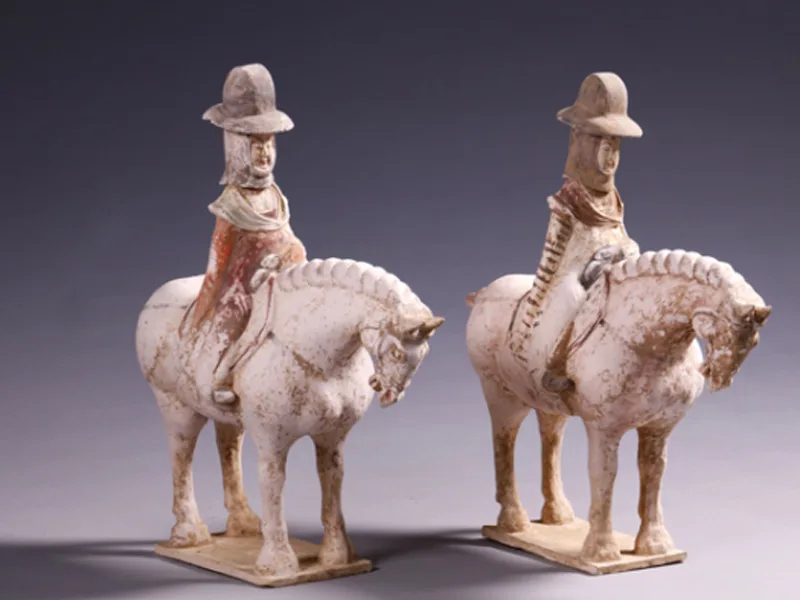
Shade for the body was not enough. The face needed its own defense. During the Warring States period, straw hats already blocked the sun. By the Tang dynasty, the weimao (帷帽) became fashionable. It came from nomadic dress and was first called a mili (幂篱). A wide brim held black gauze or thin silk that fell to the neck. The wearer could see out; strangers and dust stayed out. It was a face screen and sun visor in one. The black gauze was chosen for a reason: it cut glare without turning the view into a blur. A wearer could walk, greet, and travel while keeping her face private.
Stories say Wang Zhaojun (王昭君) wore such a hat when she left for the frontier, so some called it the Zhaojun hat. Later, Song scholars like Su Shi (苏轼), Ouyang Xiu (欧阳修), and Wang Anshi (王安石) also wore one. For them, it was not only shade. It added a quiet ritual to travel and public life. The hat moved between practical gear and social sign. It protected skin, but it also framed the face and marked the wearer as someone aware of custom.
Sunscreen Cream
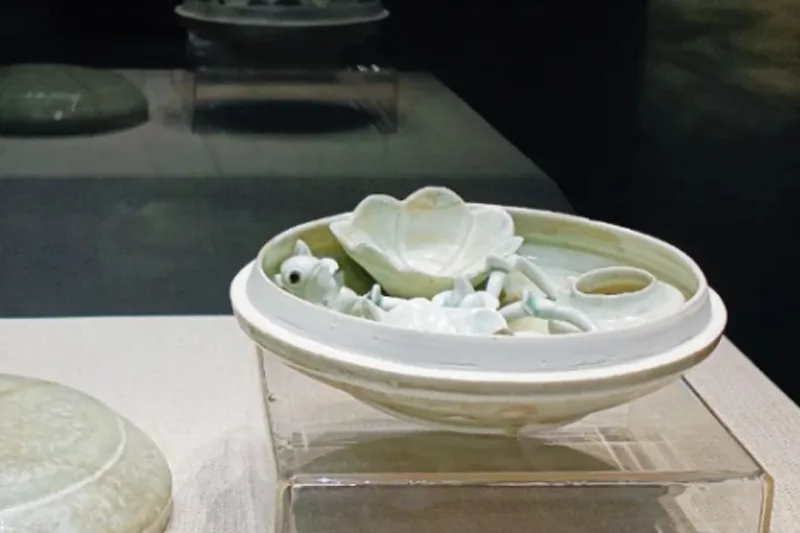
Skin care joined the system. Essential Techniques for the Peasantry records face creams made from rice powder and honey. Song women used a “Jade Maiden Peach Blossom Powder” with motherwort and gypsum, which left a pale finish. Sun Simiao (孙思邈), a Tang physician, created “Jade Face Powder” in Important Formulas Worth a Thousand Gold. It mixed white herbs such as angelica and poria. Modern studies find flavonoids and phenols in some of these plants can interfere with tyrosinase, an enzyme tied to dark pigment. These powders were not sunscreen in the modern sense. They created a physical layer, absorbed oil, and sometimes soothed the skin. The line between makeup, medicine, and shade was thin.
Ancient sun care followed three plain rules: light fabric, broad shade, and gentle powders. People had no UPF labels and no chemical filters, yet they understood heat, glare, and comfort. Their methods were cheap, repeatable, and often beautiful. Their solution was not one product but a wardrobe and routine. Cover, ventilate, shade, and powder. Next time you pull on a sun shirt or cap, remember those earlier solutions. The sun has not changed, and neither has the basic goal: stay cool, stay covered, and keep moving.