Article
Search results:
-
The Craziest Ancient Chinese Drama You'll Binge in 2025
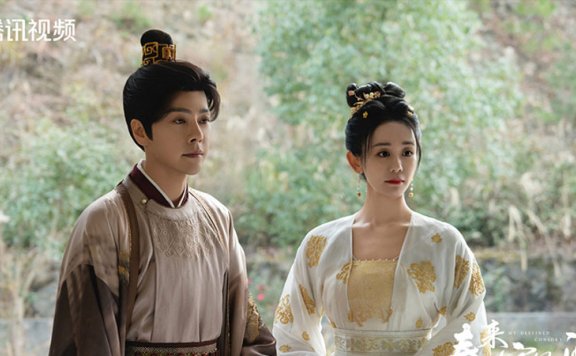
Forget slow-burn tension and whispered conspiracies—Spring Whispers (春来定风波) isn't here to coddle its audience. Tencent's latest historical series, which premiered on April 13, 2025, feels less like a traditional drama and more like a adrenaline shot to the genre. Within four hours of its release, it soared to an 8.7 rating, dominated social media trends, and left viewers scrambling for synonyms of "unhinged." Here's why everyone's obsessed with a show that opens with a widow dragging a coffin into her ex-husband's mansion. Revenge Served With Herbs and Humor Five years after being framed for poisoning her mother-in-law and exiled to guard family tombs, Shen Jiangli (Hai Lu) returns to the Lu estate—not with apologies, but with a coffin containing live evidence of her sister-in-law's crimes. This isn't subtlety; it's psychological warfare with a side of dark comedy. Why It Works: The Coffin Scene: Shen crashes a family banquet, her red robes billowing like war banners. As she reveals the 27 women sacrificed in Wang Danling's fertility ritual (聚阳阵), the camera lingers on a single detail: Shen adjusting her rival's hairpin while smiling. It's villainy served with etiquette. Dialogue That Cuts: When her estranged husband Lu Jingming (Xu Haiqiao) asks, "Were… -

When Destiny Collides: A Love Story With Knife-Edged Twists
The Blossom Court (梦花廷), an upcoming historical romance drama, is dominating social media trends in China—and it's not because of overused tropes or cast drama. Instead, leaked footage of leads Chen Zheyuan and Zhang Jingyi sharing a breathtaking kiss beneath cherry blossoms has ignited a frenzy. But don't mistake this for another fluffy romance. Adapted from Xiao Ruse's novel Xieluo (缬罗), the series weaves a tale of political treachery, sacrificial love, and heart-wrenching choices that's already being dubbed "2025's most addictive tragedy." Set in the warring kingdoms of Xiangnan and Dazheng, the story centers on Tilan (Zhang Jingyi, 张婧仪), a blind princess cursed with prophetic visions. Her gift becomes a burden when she's forced into a political marriage with General Tang Qianzi (Chen Zheyuan, 陈哲远)—a spy ordered to exploit her powers. Their relationship evolves from icy distrust to desperate alliance. One moment, Tilan risks her life to save Tang from an assassin; the next, he betrays her trust to fulfill his mission. As one viewer quipped, "This isn't love—it's emotional parkour." Three Scenes That Stole the Internet's Heart 1. The Cherry Blossom Kiss: Beauty Meets Tragedy In a viral clip, Tilan stands on tiptoe to kiss Tang amid a shower… -

The Large-Sleeved Hanfu Shirt in Tang Dynasty
The Large-sleeved shirt, known as "Da Xiu Shan" in Chinese, was a prominent aristocratic attire during the mid to late Tang Dynasty. This garment is often associated with the famous painting "Court Ladies Wearing Flowered Headdresses" by Zhou Fang, which vividly depicts noblewomen adorned in ankle-length skirts paired with sheer, large-sleeved gauze shirts that delicately cover their shoulders and arms. The artist's realistic portrayal not only captures the transparency of Tang fabrics but also the softness of the women's skin. This style persisted until the late Ming Dynasty, often paired with a ceremonial cape, and was alternatively called "Da Xiu" or "Da Shan." During the High Tang period, the influence of Hu (nomadic) clothing waned, and women's fashion gradually embraced wider sleeves. By the mid to late Tang era, sleeves often exceeded four feet in width. The attire typically included a wide-sleeved cross-collared shirt, long skirt, and a draped shawl, reserved for significant occasions like court appearances, ceremonies, and weddings. Adorned with golden hairpins and floral decorations, it was also referred to as "Floral Hairpin Large-Sleeved Shirt." Zhou Fang's painting, now housed in the Liaoning Provincial Museum, illustrates noblewomen leisurely strolling through gardens, picking flowers, and playing with butterflies. Their… -

The Traditional Chest Wrap Dress in Historical Dramas
The traditional chest wrap dress, once a staple in early historical dramas and photo studios, has become increasingly rare in contemporary films and TV shows. Why is this the case? Let's start with the conclusion. Many people refer to it as the "Hezi dress." Today, there are numerous choices when it comes to clothing styles and patterns, so there's no need to obsess over controversial designs like the Hezi dress. Absence of Physical Evidence First, there is no physical evidence to confirm the exact style of the Hezi dress. Its existence is only hinted at in literature, particularly through mentions of its key component, the "Hezi." Second, the most famous depiction of the "Hezi dress" is in Zhou Fang's painting "Court Ladies Wearing Flowered Headdresses," which is believed to date back to the Five Dynasties period. The term "Hezi dress" is a modern invention, as it does not appear in historical records. Although "The Complete Collection of Chinese Textiles and Costumes" mentions the long wrap dress worn by women in the painting, paired with a thin gauze robe, it does not refer to it as the "Hezi dress." Historical Origins of Hezi The Hezi dress was once a popular representation… -

Why Chinese Zhaiyi Appears in Korean Dramas
In the Korean drama 'Won Kyung,' Queen Won Kyung is seen wearing a full set of Zhaiyi (翟衣), along with a Yanju crown (燕居冠) adorned with Bobin (博鬓), which is typically reserved for empresses or crown princesses. Observant viewers might find this attire familiar. In recent years, Zhaiyi has frequently appeared in Chinese historical dramas set in the Song and Ming dynasties, largely because well - preserved portraits of empresses from these periods provide ample reference material. The 'Zhai' in Zhaiyi refers to the Zhai pattern (翟纹), which features the Chinese pheasant (红腹锦鸡), a bird native to China with vividly colored feathers described as 'red with five hues.' The pattern consists of twelve pairs of pheasants arranged in rows, interspersed with small floral motifs called 'Xiaolunhua' (小轮花) in the Ming dynasty. The headdress also follows a strict hierarchy: the phoenix crown (凤冠) with Bobin is the highest rank, paired with Zhaiyi, while the Yanju crown (with Bobin) is worn with a yellow Dasha (大衫) and Xiapei (霞帔). Noblewomen's Zhai crowns are paired with red Dasha and matching Xiapei. Why does Zhaiyi appear in Korean dramas? The 'Goryeo History' records that Empress Xiaoci of the Ming dynasty once bestowed Zhaiyi upon… -
The Growing Influence of Chinese Herbs on Western Health Practices
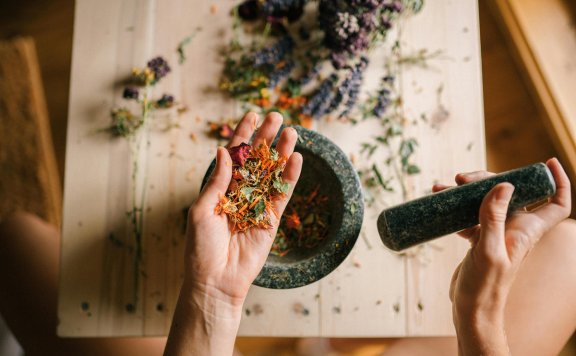
Chinese herbs have been used in traditional medicine for centuries. Yet, their role in Western health practices is still growing. As more people seek natural alternatives to pharmaceutical treatments, the demand for these herbs rises. But how do they compare to conventional medicine? Can they truly offer the same benefits? Many are turning to Chinese herbs for holistic healing and wellness. Yet, some wonder if these remedies can integrate with modern treatments. In this article, we will discuss the rising influence of Chinese herbs and explore their expanding role in Western health practices. The History and Tradition Behind Chinese Herbal Medicine Chinese herbal medicine has deep roots in ancient history. It stems from philosophies like Taoism and Confucianism. These traditions focus on using natural remedies to restore balance in the body. The goal is to promote harmony between the body and the natural world. Ancient Chinese texts catalog hundreds of herbs used for medicinal purposes. These herbs aim to treat the root causes of illness rather than just the symptoms. Thomson Medical notes that herbs like ginseng and reishi boost energy and support immune health, while goji berries promote circulation and eye health. Turmeric, Chinese angelica root, and kelp aid… -
The Lotus Leaf Hats in Cdrama
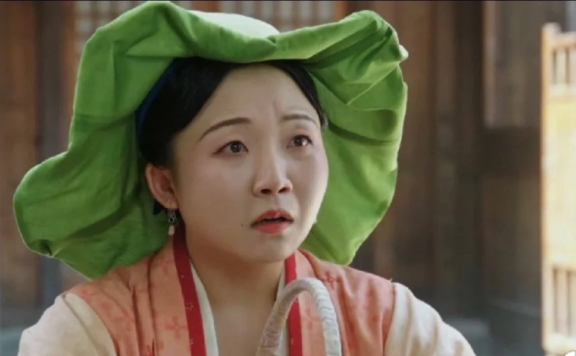
If you think lotus leaf hats are a modern trend, our ancestors would surely laugh at you: "You kids are so outdated and unfashionable!" This iconic headwear dates back much earlier than you might imagine, with roots tracing to the Northern and Southern Dynasties. Historical records like "The History of the Northern Dynasties" mention bearers wearing them in summer, while "Tales of the Hidden World" from the Liu Song Dynasty recounts a sorcerer tricking a governor into wearing a magical lotus hat that later revealed its true form, astonishing everyone. The most vivid depiction appears in Ming Dynasty painter Qiu Ying's "Assembly of the Immortals," showcasing an immortal wearing an identical lotus leaf hat. Nature has always been the muse for innovation. Later adaptations led to rounded hats with varying materials—felt caps from wool, blended silk - wool Diexiao hats, and pure silk variants. The key difference lay in "dyed silk replacing wool," as noted in historical texts. This accessory became a cinematic staple too, like Yang Fangbing's portrayal of Yang Guifei, whose hat dripped with pearl strands resembling dewdrops on lotus leaves. Among the Yi ethnic group in Sichuan's high - altitude Meigu County, married women wear similar hats… -
The Odd Aesthetics of Chinese Costume Dramas
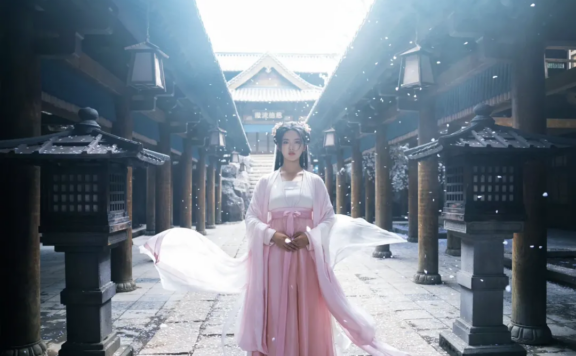
Recently, the demolition of a famous filming location in Hengdian became a hot topic online. Known as the 'busiest staircase in Hengdian,' it was finally torn down. Netizens joked that before the villains could arrive, modern excavators came to 'wipe out the entire family.' This incident has sparked discussions about how much 'junk food' we've been fed in terms of repetitive and uninspired set designs. This staircase, both loved and hated by viewers, has appeared in countless dramas. It has served as a sect's headquarters, a temple, a mountain, or even a character's home. Regardless of the context, the symmetrical structure and the strikingly similar ascending figures made it instantly recognizable. Dubbed the 'pillar of dozens of TV shows,' this staircase truly gave viewers a sense of 'a thousand years in one glance.' Over the past two years, it frequently appeared in various costume dramas, earning its title as the 'busiest staircase in Hengdian.' Even popular recent shows like 'The Double,' 'The Legend of Shen Li,' and 'Strange Tales of Tang Dynasty 2' featured it. Netizens closely followed its 'career,' humorously commenting, 'Look, the staircase is back at work again.' Some even visited the site to take commemorative photos with… -
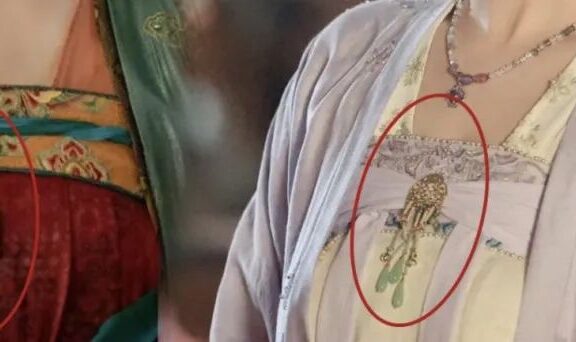
The Mystery of Ancient Chinese Chest Ornaments
Have you ever noticed those intricate ornaments dangling from the chests of characters in historical Chinese dramas? Particularly prevalent in Tang-style productions, these accessories are often mistakenly called "ya jin" (压襟). To set the record straight, they're actually known as "zhui ling" (坠领) or "zhui xiong" (坠胸) depending on their length. These exquisite pieces resemble jade pendants but feature delicate attachments. Their purposes were twofold: first, as auspicious symbols adorned with meaningful patterns; second, as ceremonial reminders - the gentle tinkling sound they produced when moving too quickly served as an elegant prompt for graceful, measured steps. Primarily worn by Ming Dynasty women, zhui ling belonged to the "jin bu" (禁步) category of accessories. Historical records like "Ke Zuo Zhui Yu" describe them as "gold, pearl, and jade crafted into various shapes, with mountain - cloud or floral motifs above, connected by long chains to hanging ornaments." When worn at the chest, they were called zhui ling; when attached to the waist, they became "qi shi" (七事). Ming portraits clearly depict zhui ling hanging below standing collars, evolving from earlier versions that suspended multiple small objects. These gold and jade ornaments, similar in decorative function to necklaces, complemented the metallic… -
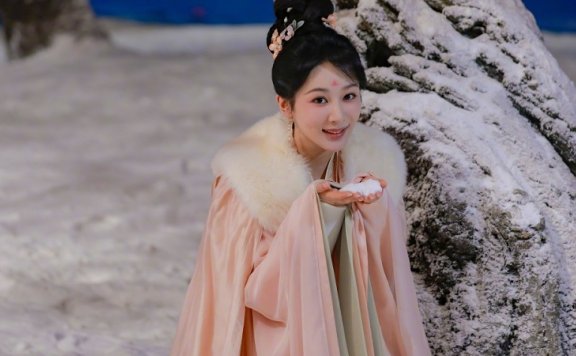
Yang Zi's Top 5 Costume Works Recommendations
If you've ever wondered how Chinese mythology, history, and fantasy collide on screen, Yang Zi's (杨紫) costume dramas are the perfect starting point. Take Ashes of Love, where she plays Jin Mi, a flower deity navigating love and betrayal across celestial realms. The series doesn't just romanticize immortality; it dissects the consequences of emotion-suppressing poisons and divine politics. Or consider Flourished Peony, where her stoic swordswoman Lu Xueqi battles sect rivalries in a world where loyalty clashes with ambition. Yang Zi's characters aren't just "strong"—they're layered, flawed, and rooted in specific eras, from the Tang Dynasty's perfume trade (Flourished Peony) to mythological clan wars (Lost You Forever). Here's a curated guide to Yang Zi's most iconic costume works. Lost You Forever 长相思 Aired: 2023 Period Background: Mythological era inspired by ancient Chinese legends. Genres: Xianxia, romance, political intrigue. Main Roles: Yang Zi as Xiao Yao, a resilient princess; co-stars Deng Wei (邓为) and Zhang Wan Yi (张晚意). Adapted From: Tong Hua's novel of the same name. Xiao Yao's story begins in tragedy—after losing her royal status and memories, she reinvents herself as Wen Xiao Liu, a rough-edged healer in Qing Shui Town. Her life intertwines with four men, each representing… -
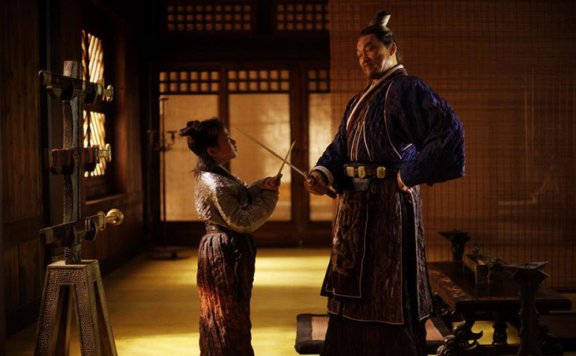
Top 6 Historical Works of Spring and Autumn-Warring States Era
The Spring and Autumn-Warring States eras (770–221 BCE, 春秋战国时期) marked a turbulent yet intellectually vibrant chapter in Chinese history. As the Zhou Dynasty's authority waned, regional states clashed for dominance, fostering military innovation and philosophical debates. Thinkers like Confucius, Laozi, and Sun Tzu laid the groundwork for Chinese philosophy, while states such as Qin and Chu rose through reforms and warfare. This fragmented yet dynamic period set the stage for China's eventual unification. Below, we highlight key film and TV works that capture the essence of Spring and Autumn-Warring States era period. Eastern Zhou States: Spring and Autumn Chronicles 东周列国·春秋篇 This isn't some flashy new release—it dropped back in 1996, but with a Douban rating of 9.4/10, it's clear this series has legs. I stumbled across it while digging into older dramas, and honestly, it's a goldmine for anyone who's into history, power plays, or just damn good storytelling. This epic pulls its plot straight from the Spring and Autumn Annals (春秋) and the Commentary of Zuo (左传), two heavy hitters in ancient Chinese records. We're talking about the messy, fascinating shift from the Zhou Dynasty's slow crumble to the rise of feisty feudal states, all clawing for control. The… -
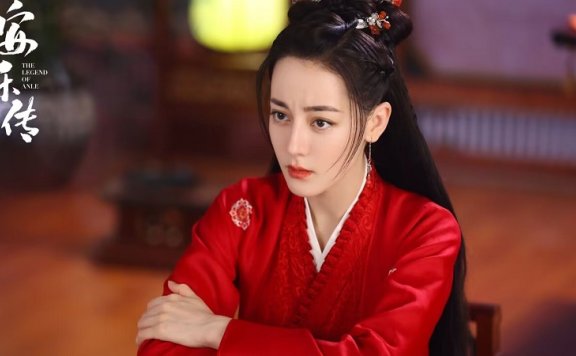
Dilraba's Top 5: Cdrama Queen's Greatest Hits
Dilraba Dilmurat (迪丽热巴) has redefined versatility in Chinese costume dramas, seamlessly shifting from mischievous fox spirits to battle-hardened warriors. Her ability to anchor fantastical plots with emotional authenticity makes her a standout in the genre. Take The Long Ballad: As Li Changge, she delivered a masterclass in restraint, whether strategizing siege defenses or silently mourning her family's massacre. In Eternal Love of Dream, she balanced Bai Fengjiu's whimsy with grit, turning a lovestruck princess into a symbol of resilience. These roles aren't just performances—they're blueprints for how modern xianxia and historical dramas can prioritize character over spectacle. Below, we break down five dramas that showcase her range, each distinct in tone yet unified by her magnetic presence. Eternal Love of Dream 三生三世枕上书 Aired: 2020 Period Background: Mythological fantasy world spanning three lifetimes. Genres: Romance, Fantasy, Xianxia. Main Roles: Dilraba as Bai Fengjiu, a nine-tailed fox princess; Gao Weiguang as Dong Hua Dijun. Adapted From: Tang Qi Gongzi's novel Three Lives, Three Worlds: The Pillow Book. Spanning three lifetimes, Eternal Love of Dream follows Bai Fengjiu, a fiery nine-tailed fox princess from the Qingqiu fox tribe, as she relentlessly pursues Dong Hua Dijun, an ancient deity who sacrificed his emotions to… -
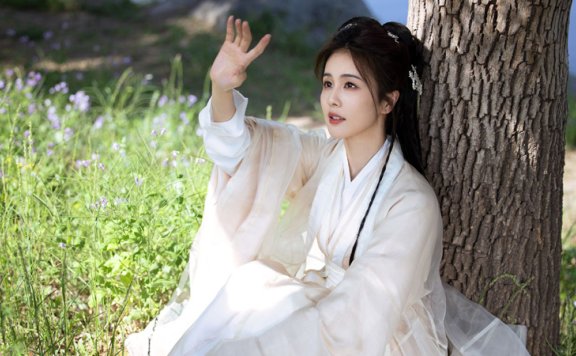
Bai Lu's Top 5 Cdrama Masterclass
Bai Lu's (白鹿) rise in costume dramas isn't just about beauty—it's a masterclass in versatility. From the tender restraint of a noblewoman to the fiery swagger of a rebel queen, she molds each role into something unforgettable. Take The Journey of Chong Zi: her character Cui Shiyi, a reserved heiress bound by tradition, contrasts sharply with The Legends of Lu Zhaoyao, a leather-clad warlord who smirks while swinging a sword. Even within a single series, like Song of Youth, she shifts seamlessly from Ming-dynasty elegance in embroidered silk to comedic chaos in slapstick disguises. Her secret? She leans into extremes. In The Legends, a crimson robe and unapologetic red eyeliner scream "villainess," while in Court Lady, a single red-dress dance scene—all swirling sleeves and defiant glances—cements her as the queen of physical storytelling. No two roles blur; each is a bold, deliberate stroke on a growing canvas of reinvention. This article highlights her top works, blending rich storytelling, cultural depth, and performances that transcend language barriers. One and Only 周生如故 Aired: 2021 Period Background: Set in a fictional dynasty mirroring the Northern and Southern Dynasties (420–589 CE), a turbulent era marked by fractured kingdoms, military coups, and rigid Confucian social… -
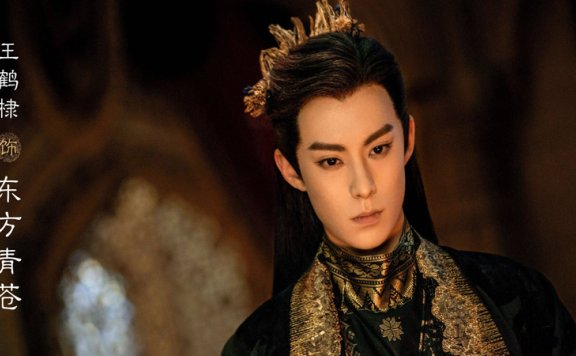
3 Wang Hedi Cdramas Worth Rewatching
If you've ever wondered how Chinese historical dramas blend martial arts, romance, and myth into binge-worthy spectacles, Wang Hedi (王鹤棣) is your gateway actor. Known for roles that demand both physicality and emotional depth—like the time-traveling detective in Guardians of the Dafeng—Wang has become a defining face of China's costume drama boom. This article breaks down Wang Hedi's essential costume dramas, highlighting what makes each unique: intricate worldbuilding, genre-blending narratives, and performances that transcend language barriers. Guardians of the Dafeng 大奉打更人 Aired: 2025 Period Background: A fictional dynasty inspired by the Tang and Ming dynasties, blending historical aesthetics with fantasy elements. Genres: Historical fantasy, mystery, romance, comedy. Main Roles: Wang Hedi as Xu Qi'an, Tian Xiwei as Princess Lin'an Adapted From: The hit web novel of the same name by Mai Bao Xiao Lang Jun The series opens with Xu Qi'an investigating a series of ritualistic murders linked to a cult worshipping the "White Bone Goddess." Using forensic techniques alien to the Great Feng—like analyzing blood spatter patterns and soil samples—he exposes a plot to destabilize the throne. However, the deeper he digs, the more he uncovers about his own mysterious arrival in this era, including cryptic clues left by… -

Cheng Yi's Triple Role and the Reinvention of Wuxia Drama
The Chinese entertainment landscape is witnessing a resurgence of wuxia dramas, and Fu Shan Hai (赴山海, translated as To the Mountains and Seas) stands at the forefront of this revival. Slated for a 2025 release on Dragon TV (东方卫视), this 40-episode series adapts Wen Rui'an's iconic novel Legendary Heroes of the Land (神州奇侠), blending classic Jianghu themes with time-travel twists and Gen-Z sensibilities. Starring Cheng Yi (成毅), Gulnazar (古力娜扎), and a powerhouse supporting cast, the drama has already generated buzz for its ambitious storytelling, meticulous production, and Cheng Yi's career-defining triple role. Plot & Innovation: Bridging Generations The series follows Xiao Mingming, a disillusioned modern-day office worker who accidentally slips into the martial arts novel he's editing, embodying its protagonist, Xiao Qiushui. From a bumbling novice to a hero defending his nation, Xiao's journey intertwines workplace disillusionment with classic wuxia tropes—think The Matrix meets Condor Heroes. This meta-narrative injects "anti-burnout" themes resonating with younger audiences while preserving the genre's core values of loyalty and justice. On one hand, it retains the classic tropes that fans of the genre have come to love—righteous warriors, enigmatic enemies, and dramatic showdowns. On the other, it subtly incorporates elements of modern storytelling, such as… -

Cheng Yi, Xiao Zhan, and Yang Yang—Who Gets Your Vote
This April, three of China's hottest male stars—Cheng Yi (成毅), Xiao Zhan (肖战), and Yang Yang (杨洋)—are going head-to-head with their brand-new dramas: Fu Shan Hai, Legend of Canghai, and A Record of a Mortal's Journey to Immortality. It's a fantasy face-off of epic proportions—so, which one are you betting on? The Immortal Ascension 凡人修仙传 Starring Yang Yang, Jin Chen (金晨), Wang Duo, Zhao Xiaotang, Zhao Qing, Jiayue, and Rong Zixi, this 30-episode historical xianxia drama tells the legendary tale of an ordinary village boy who accidentally joins a minor martial arts sect. Though he's born with no exceptional talent, he relies on grit, smarts, and persistence to ultimately ascend to immortality. Yang Yang, known for his classic "model face" and heartthrob status, shot to fame with the 2016 megahit Love O2O, which racked up over 10 billion views online. He returned to the top again in 2021 with You Are My Glory, proving he's still a fan favorite among the A-list. Xianxia dramas like Swords of Legends, Immortal Samsara, Ashes of Love, and Eternal Love have long dominated Chinese streaming platforms. Judging from the trailer, A Record of a Mortal's Journey to Immortality doesn't disappoint—Yang Yang's action scenes and… -
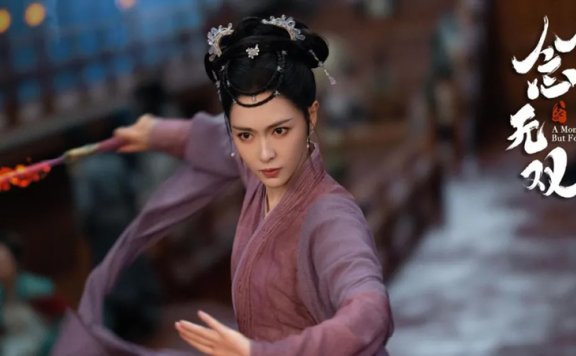
Tang Yan's New Drama Proves Goddess Can Be Relatable
When Tang Yan (唐嫣) first stepped into the spotlight as Zixuan in Chinese Paladin 3 (仙剑奇侠传三), she became the blueprint for the "divine heroine" archetype in Chinese fantasy dramas. Now, 15 years later, she's back as Ji Tanyin in A Moment But Forever (念无双), a goddess who doesn't just love humanity—she understands it. The show's hashtags like #TangYan'sDivineMission and #JiTanyinTheUnconventionalGoddess have trended across platforms, reigniting nostalgia while proving Tang's staying power. For many fans, this role feels like a full-circle moment—a return to the genre that made her famous, yet with a fresh twist. The Divine Reimagined In A Moment But Forever, Ji Tanyin isn't your typical aloof deity. Tasked with retrieving a celestial artifact, the "God's Left Hand," from the fox tribe's high priest Yuan Zhong (Liu Xueyi), she quickly realizes the mission isn't black-and-white. Yuan, branded a tyrant by his clan, is actually a victim of manipulation—a pawn in a power game orchestrated by elders hungry for the artifact's magic. What sets Ji Tanyin apart is her refusal to blindly obey divine orders. When five celestial judges demand Yuan's execution, she debates them head-on: "Is a scholar's patriotism worth more than a farmer's love for his family? Is… -
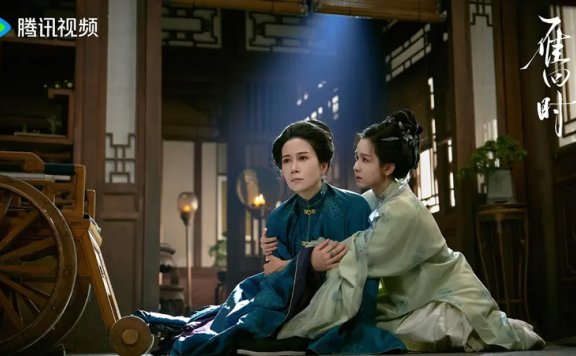
The Glory: A Vengeful Swan Song of Noble Daughter
The Glory (雁回时) quietly premiered in Spring 2025, it disrupted China's historical drama landscape dominated by palace romances and martial arts epics. Adapted from Qian Shan Chake's novel Rebirth of the Noble Daughter, the series merges the cutthroat scheming of Story of Yanxi Palace with the feminist grit of The Queen's Gambit. At its core lies Zhuang Hanyan (Chen Duling, 陈都灵), an anti-heroine who weaponizes Confucian femininity to dismantle the system that exiled her—a narrative twist that resonated globally, propelling the show to 800 million streams within weeks. Zhuang Hanyan's origin story rewrites the "persecuted heroine" trope. Unlike passive Cinderellas awaiting rescue, she opens the series mid-betrayal: bloodied hands clutching a hairpin after killing her foster parents. This act of survival—not virtue—defines her. Returning to the Zhuang family's Jiangnan estate, she trades rural rags for silk Hanfu, but her trauma lingers in subtle gestures: fingers compulsively smoothing non-existent wrinkles, a flinch at raised voices. Three Main Roles: Fu Yunxi (Xin Yunlai, 辛云来): The Dali Temple Deputy Minister (大理寺少卿) tasked with investigating her foster parents' deaths. His arc evolves from suspicion to complicit admiration. Ruan Xiwen (Wen Zhengrong, 温峥嵘): Zhuang's birth mother, whose hatred stems from losing her legs during childbirth—a… -

Why's Casting Contemplating Crane Notes' Male Lead Tough
While some dramas ride the wave of success with their irresistible plotlines and cast, others struggle with making that one crucial decision—who will be the male lead? One such drama, Contemplating Crane Notes (观鹤笔记, originally titled Eastern Yard Observation Notes), has faced this challenge, and it's easy to see why. The Trouble with Choosing the Right Male Lead The most recent buzz around Contemplating Crane Notes began when rumors started circulating that casting for the male lead was proving problematic. In fact, there have been online posts suggesting that the project was at a standstill due to a lack of interest from suitable male actors. One blogger commented, "After searching for a long time, it seems that no one wants to play a real eunuch. This project is indefinitely postponed." However, another official source quickly debunked this idea, saying that the script was still being fine-tuned and the project was very much alive. The drama is based on a popular novel Contemplating Crane Notes, written by Ta Yu Deng, which delves into the life of the historical figure, the eunuch Deng Ying, during the Ming dynasty. Despite the loyal fanbase and high anticipation, finding the right actor to embody the… -
Why The Vendetta of An Will Dominate
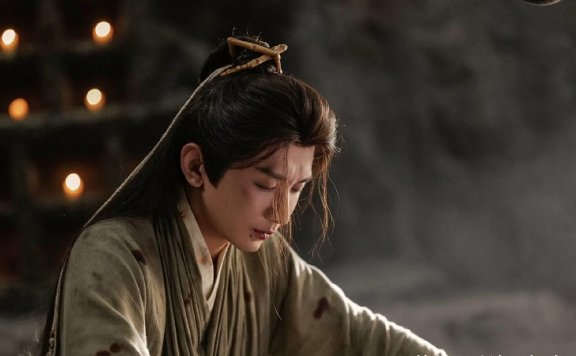
In this ultimate C-drama face-off, Cheng Yi (成毅) leads the charge with his much-anticipated role in The Vendetta of An (长安二十四计), a gripping historical drama that sets him apart in a genre he's already mastered. The Vendetta of An is more than just a spinoff of the highly successful The Longest Day In Chang'an (长安十二时辰). While the two series are connected within the "Chang'an Universe," they stand as separate narratives. And while the concept of a "Chang'an Universe" is an exciting new development in the world of C-dramas, it's the lead actor, Cheng Yi, who really steals the spotlight. In The Longest Day In Chang'an, Cheng Yi played the character Li Lianhua, a delicate and intelligent young nobleman. His portrayal of this "sickly but charming" character became an iconic portrayal of the aristocratic hero. However, in The Vendetta of An, Cheng Yi's character, Xie Huai'an, represents a total departure from that persona—enter the world of vengeance, resilience, and political strategy. Xie Huai'an is a man tormented by the massacre of his family. For ten years, he has hidden in the shadows, biding his time, sharpening his mind. Now, he returns to Chang'an not as a naive youth, but as a…