Article
Search results:
-
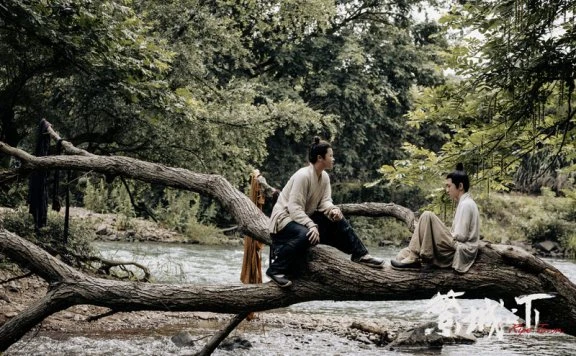
Ripe Town From Concept to Screen: Wang Zheng on Writing China's Hit Historical Suspense Drama
"Ripe Town" is the most exceptional Chinese period drama of this year. This drama stands out in the market without any comparable works. It is a period mystery that delves deep into social and historical analysis, offering a captivating deconstruction of complex human nature from different perspectives. In terms of the story, it intertwines a murder case with another arson case from twenty years ago, weaving together a tightly-knit web of revenge with numerous character lines that repeatedly intersect across two timelines. It explores themes of injustice, desire, and regret. Visually, it captures the essence of ancient Eastern paintings and the aesthetics of Jiangnan gardens, constructing a lush and intoxicating small town in late Ming Dynasty. Its English title, "Ripe Town," is fitting, as the entire drama feels like a "fully ripened and almost decaying fruit." Its meticulous attention to detail and profound depth truly make it a standout dish in the autumnal lineup of cdramas. Up to now, "Ripe Town" has received a high rating of 8.5 from over 120,000 viewers on Douban, surpassing the reputation set by "The Long Season" and "Fearless Blood." Many industry insiders believed that such a quality production must have come from an experienced… -
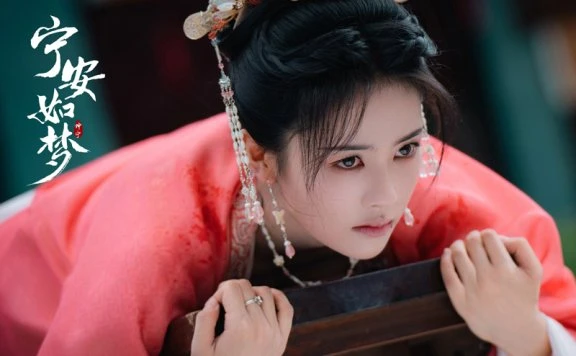
The Many Facets of Jiang Xue Ning in Story of Kunning Palace
In the enthralling world of Story of Kunning Palace, a historical drama that captures the essence of imperial intrigue and romance, emerges a character both enigmatic and captivating: Jiang Xue Ning. As the heroine at the heart of this sweeping narrative, Jiang's journey is not just one of survival within the gilded but perilous walls of the palace, but also a testament to the strength and resilience of a woman navigating the complexities of power, love, and duty in a time where her role was often confined to the margins of history. Jiang Xue Ning, portrayed with a compelling blend of vulnerability and determination, emerges as more than just a figure navigating the treacherous tides of palace politics; she is a symbol of a woman's unyielding spirit in the face of adversity. Her character arc, from a young, naive girl to a wise and formidable presence in the palace, mirrors the tumultuous era she inhabits. This article seeks to delve deep into the layers of Jiang's character, exploring how her unique personality traits, decisions, and relationships with others in the palace paint a portrait of a woman who is as complex as she is inspiring. 01 A stunning and… -
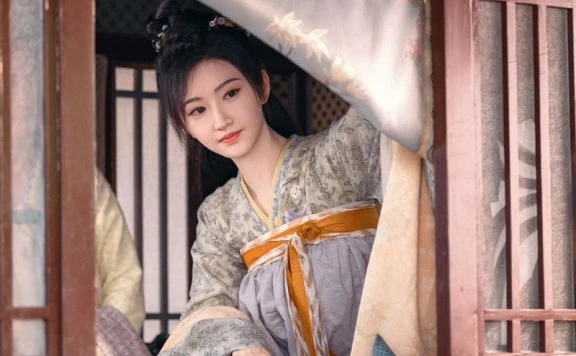
Unveiling the New Wave of Chinese Costume Dramas
On November 4th, "Weaving a Tale of Love Season 2," was released on Youku. The clever female protagonist, Liuli, repeatedly exposed the schemes of the princess, providing book fans and drama enthusiasts with a satisfying experience. Comments such as "captivating from the beginning" and "can't get enough with two episodes a day" clearly demonstrate the audience's love for this drama. As the popularity of "Weaving a Tale of Love" soared, Tencent quickly followed suit, releasing "Wonderland of Love" on November 6th, further igniting the market. A day later, "Story of Kunning Palace" premiered on iQiyi, intensifying the competition among the three Chinese major long-form video platforms. In recent years, the key factors determining the competitiveness of costume dramas in the market are no longer just big work, high viewership, and large investments, but rather the sense of differentiation brought by content innovation. Taking these three new dramas as examples, they have expanded their creative directions beyond the confines of palace intrigue, domestic conflicts, and dominant female protagonists, and instead focus more on elements such as new women, legends, and personal growth. The core of the stories also touches on the emotional perspectives, social views, and workplace situations of contemporary young… -
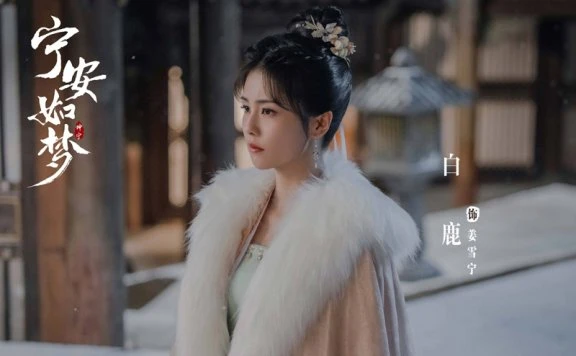
Entangled Destinies: Exploring the Complex Bonds in Story of Kunning Palace
"Even bitter fruits are fruits!" This piercing statement quickly made Xie Wei a popular character on the internet. It was his forced and insane actions of love towards Jiang Xuening. However, in the drama Story of Kunning Palace, we only see Xie Wei constantly targeting Jiang Xuening. Every time he appears, it is a deadly situation for her. Whether it is him holding a knife to her throat or threatening her, she is constantly under his control. If Jiang Xuening truly fell in love with such a madman, then she must have gone mad herself, right? In fact, that is the case. In this reincarnation, Jiang Xuening did not choose her childhood sweetheart Yan Lin, who had unresolved feelings from their past life. She did not choose her ex-husband Shen Jie, who showered her with love in their past life. She did not choose Zhang Zhe, the unattainable love from their past life. She only chose the crown prince's teacher, Xie Wei, who once tried to take her life. Her choice leaves the audience puzzled. However, it is not that difficult to understand once we unravel the love and hate entanglements between Jiang Xuening and these four individuals. 01… -
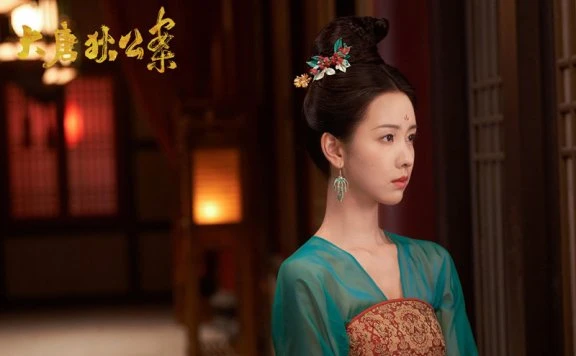
Exploring Ancient Mysteries: The Case of the Judge Di's Mystery Takes You Back to the Suspenseful World
With the increasingly prosperous Chinese TV drama market, the ancient costume drama of suspense and detective stories has also reached a new peak. "Strange Tales of Tang Dynasty" and "Ripe Town" have received numerous accolades. Against this backdrop, the highly anticipated "Judge Di's Mystery" will be released in the near future, once again leading the audience into a Tang Dynasty world full of mysteries and intellectual confrontations. "Judge Di's Mystery" is directed by Li Yunliang, starring Zhou Yiwei, Wang Likun, Zhong Chuxi, and featuring Ji Ta, Ling Zi, and You Yongzhi. Zhang Jiayi and Zhang Ruoyun are invited to star in this costume detective drama. The drama is adapted from the novel of the same name by Dutch writer Robert van Gulik, with the protagonist being the Chinese Tang Dynasty prime minister Di Renjie. It depicts Di Renjie's legendary experiences of solving cases and unraveling mysteries as an official in the provinces and the capital, with each episode featuring different cases. In this drama, Di Renjie, with his intelligence, sense of justice, and courage, unravels a series of extraordinary cases, seeking justice for the people and showing unwavering loyalty to the country, showcasing the brilliance of a great Tang Dynasty… -
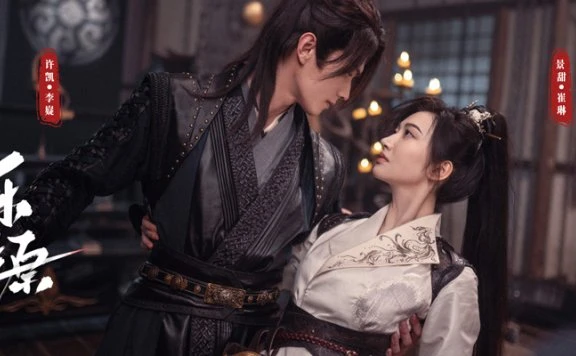
Wonderland of Love: A Dive into the Souls of Li Ni and Cui Lin
Hello, dear readers! Today, we're about to embark on a journey into the heart of "Wonderland of Love", a drama where love tangoes with war, and characters are as complex as a royal court intrigue. Our main leads, Li Ni and Cui Lin, are not your average Joe and Jane. They're warriors, lovers, and everything in between. So, grab your popcorn, and let's unravel the tapestry of these intriguing characters. Li Ni - The Prince of War Li Ni, the grandson of the emperor, is not just a pretty face with a royal title. He's a man of substance, a warrior with a cause. His journey from a somewhat naive prince to a seasoned war strategist is as thrilling as it is inspiring. What makes Li Ni so fascinating is his ability to balance the burden of royalty with the raw realities of war. He's like a chess master, always two steps ahead, yet his heart remains vulnerable. His love for Cui Lin is not just a subplot; it's the fuel that drives his ambitions. Let's not forget his tactical brilliance. Li Ni's strategies in the battlefield are a testament to his intellect and adaptability. He's a character who… -
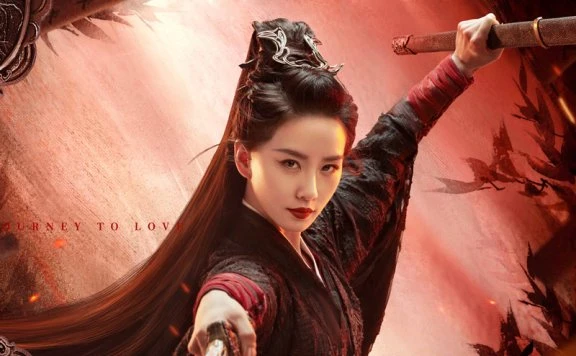
Anticipating A Journey to Love: Next Big Thing in Martial Arts Cdrama
"A Journey to Love," a highly anticipated period martial arts drama, has garnered widespread attention since obtaining official release permission and unveiling its first trailer. Starring Liu Shishi, this television series quickly gained enthusiastic responses from the audience due to its captivating plot and powerful cast, with the number of pre-orders even surpassing the million mark. Numerous fans and viewers are eagerly awaiting its premiere date. The series tells an epic and tumultuous story, centered around the protagonist Ren Ru Yi, who, through a series of fortuitous events, becomes a member of a small team accompanying the Wu state Emperor's envoy. Alongside Wu state's Liudao Hall Master Ning Yuanzhou, the charming Yu Shisan, the noble princess Yang Ying, the clever teenager Yuanluo, and the loyal imperial guard Qian Zhao, they experience life and death struggles and personal growth. The interactions between these characters and the development of the story are filled with emotional ups and downs and thrilling adventures. According to the scheduling arrangement of the broadcasting platform and various sources, "A Journey to Love" is expected to premiere in mid-November, bringing a pleasant surprise to the long-awaited audience. It is worth mentioning that this drama not only features the… -
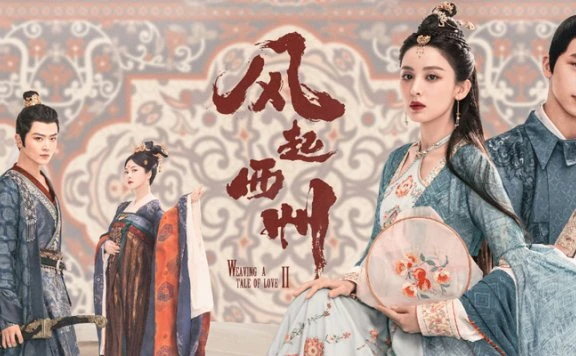
Weaving a Tale of Love Season 2: Unraveling the Romance of Kudi Liuli and Pei Xingjian
Welcome, dear readers, to a journey through the heart of the Tang Dynasty, an era renowned for its splendor and cultural zenith. Here, in a world where traditions intertwine with the winds of change, love defies boundaries and hardships, blossoming against the backdrop of ancient China's grandeur. Today, we shall unfurl the pages of an extraordinary tale from the enchanting TV series "Weaving a Tale of Love Season 2". Introduction: A Tale of Timeless Love Our story centers on Kudi Liuli and Pei Xingjian, two characters who bring to life the essence of a time long gone yet forever cherished in our collective memory. Kudi Liuli, with her grace and fortitude, embodies the spirit of the women of the Tang Dynasty - resilient, wise, and ahead of their time. Pei Xingjian, on the other hand, is the epitome of valor and integrity, reflecting the era's ideals of honor and duty. Together, they weave a narrative that is far more than a typical romance; it's a vibrant tapestry rich in the threads of loyalty, sacrifice, and wisdom. As we embark on this journey, let's dive deep into the depths of their love, exploring the nuances that make it so captivating.… -
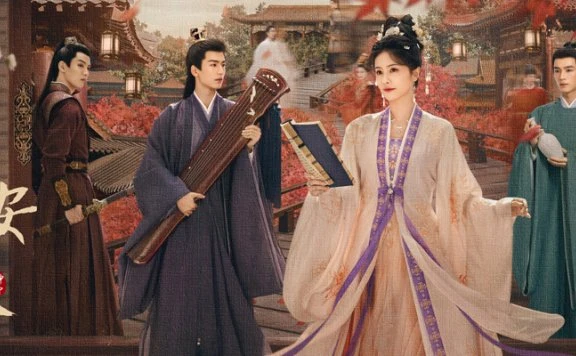
Story of Kunning Palace: The Unforgettable Characters and Gripping
As one of the highly anticipated costume dramas of 2023, "Story of Kunning Palace" finally made a strong debut in the winter season. The number of pre-orders before the premiere has exceeded 7.4 million. After the premiere, the drama's popularity was unstoppable, and with its soaring momentum, it quickly attracted a large number of casual fans and related content creators. What is the magic of "Story of Kunning Palace"? "Story of Kunning Palace" has remarkable highlights in various dimensions of character development, emotional expression, world-building, plot progression, value innovation, and aesthetic creation in Chinese costume dramas. It is not difficult to understand why it has sparked another wave of phenomenal drama craze in Q4 of Chinese dramas. The intertwining of strategy and love Many viewers have given feedback that the plot of "Story of Kunning Palace" is smooth and fulfilling. What makes "Story of Kunning Palace" achieve this effect? Firstly, the clever and ingenious foundation setting of the entire story makes it rich and vibrant. Based on the continuous progression of the main storyline, the opening pace is brisk, and the plot remains engaging. Jiang Xuening, after experiencing hardships, finally becomes the queen but is forced to commit suicide.… -

Coursework About the History of Ancient China: Through the Eyes of a Student
We're talking ancient China here, the real deal of human civilization. This isn't just about learning who did what in some dusty past. It’s about diving into a saga so epic, it makes Game of Thrones look like child's play. Ancient China isn’t just another chapter in a textbook; it’s the bedrock of modern civilization. We’re talking about the birthplace of everything from gunpowder to paper money. This is where strategy was born, where Sun Tzu wrote ‘The Art of War’ – a book that business moguls are still geeking over. Each dynasty, from the Shang to the Qing, is a piece of a massive jigsaw puzzle. You’re connecting the dots, finding out how ancient decisions shaped modern life. Think of it as detective work, but instead of a crime, you’re solving the riddles of time. By the end of this wild ride, you’re not just loaded with facts; you’ve got wisdom. You’ll see patterns in politics, in culture, in human nature that echo even today. The Student's Perspective This student, let’s call them the Time Traveler, they’re not signing up for a snooze fest. They’re expecting Indiana Jones meets Confucius. They want to unearth secrets, to crack open the… -
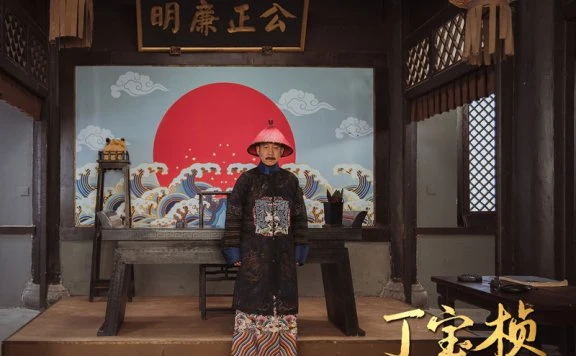
New Drama Ding Bao Zhen: Captivating Audiences with its Authentic Portrayal of a Remarkable Historical Figure
Recently, the historical biography cdrama "Ding Bao Zhen" concluded its airing. As a rare genre on the screen in recent years, "Ding Bao Zhen" has garnered attention from viewers since its premiere. Although historical biography dramas do not have the advantage in online popularity and topicality, viewers have a strong demand for dramas depicting upright officials. Especially for dramas like "Ding Bao Zhen," which solidly portrays the protagonist's life experiences, focuses on significant political governance, and delves deep into events affecting people's livelihoods. 01 The pristine style of the drama Ding Bao Zhen After watching all 27 episodes, the greatest impression that "Ding Bao Zhen" leaves is its simplicity. It does not casually incorporate other elements in pursuit of novelty and internet aesthetics, but rather adheres to the most genuine mindset of a biography drama, closely following the protagonist. In terms of time, the drama focuses on the life trajectory of the protagonist Ding Bao Zhen (played by Ma Shaohua) from middle age to old age. The story begins with his appointment as the governor of Shandong and continues until his final term as the governor of Sichuan, spanning nearly twenty years. The plot of the series unfolds in… -
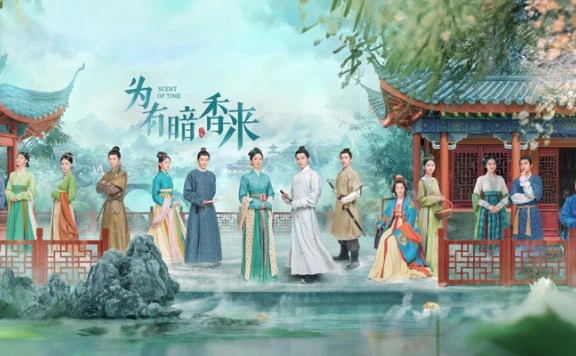
Scent of Time: A Captivating Journey of Love and Rebirth
If given the opportunity to start over, what kind of life would you choose? I believe many people have pondered this question countless times. However, the reality is that no one can start their life over from scratch. What belongs to the past will always remain in the past. But in dramas, the fictional world allows us to see the time rewind that we have always hoped for. "Scent of Time" is a recently premiered costume drama that revolves around the growth and healing of a female protagonist. From the first episode, we witness how the heroine, Hua Qian, goes back in time and changes her fate against all odds. The concept of self-rescue through rebirth has pleasantly surprised viewers. "Scent of Time," directed by Bai Yunmo and Guo Hao, stars Zhou Ye, Wang Xingyue, Peng Chuyue, Zhang Yijie, and Zhao Qing. Adapted from a popular romance novel "Xi Qian Hua", the drama tells the story of Hua Qian, who due to a momentary lapse of judgment, finds redemption and turns her life around with the help of Zhong Xiwu, the master of fragrant medicine, who has been infatuated with her. The drama begins with the typical plotline often seen… -
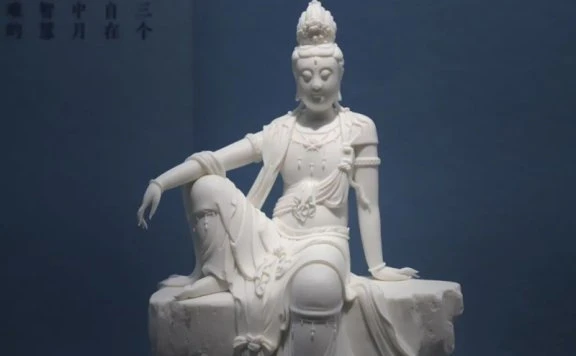
The Timeless Appeal of Chinese Porcelain - A Fascinating Journey through Centuries of Ceramic Mastery
When we mention Chinese porcelain, perhaps you will associate it with the simplicity and profoundness of Ru kiln, the lustrous beauty of Ding kiln, and the natural elegance of Jun kiln. Your mind will conjure up one classic masterpiece after another. However, the "BLAND DE CHINE - Dehua Porcelain Exhibition" at the National Museum of China presents us with another aspect of porcelain. This artwork, created by a contemporary artist, breaks through our usual imagination of materials. It uses porcelain to simulate thin and translucent clothing, portraying the texture and folds of the garments flawlessly. The depiction of individual strands of hair is exquisitely detailed, leaving viewers in awe. The porcelain is made to resemble paper, even imitating the rough edges of paper to a remarkable degree. Even when magnified several times, it is difficult to discern that this is actually a piece of Chinese porcelain. In the long river of history, the skilled craftsmen of ancient China fully unleashed their imagination and created some porcelain pieces that deviate from our stereotypical impression of porcelain. Let us appreciate these Chinese porcelain pieces that are the least like porcelain. Stone or Porcelain During the Qing Dynasty, it was popular to… -
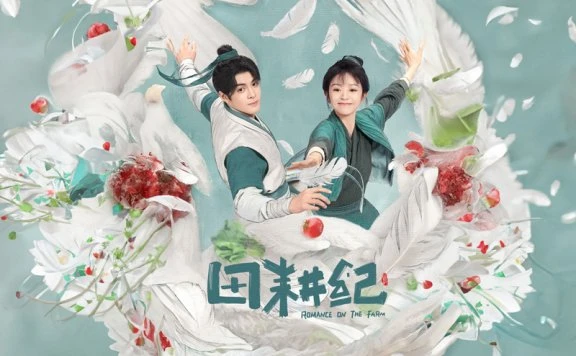
Romance on the Farm: A Heartwarming Journey into the Beauty of Rural Love
In the world of online literature, the rural farming genre has been popular for many years and is one of the most beloved types. Nowadays, this trend in content is blowing towards the film and entertainment industry. Last year, the industry's first rural farming drama called "Romance on the Farm" was announced and immediately gained attention with a few leaked photos, attracting the full attention of audiences across the internet. In the first half of this year, the new variety show "Become a Farmer" launched by iQiyi also received enthusiastic praise from young audiences. Recently, the highly anticipated "Romance on the Farm", which audiences have been eagerly waiting for nearly a year, has officially premiered. Since its debut, its popularity has been steadily increasing, with rural countryside and family anecdotes appearing in the sight of more and more people. This clearly demonstrates the exceptional success of this new drama. Audiences have expressed their satisfaction, stating that they have finally seen a truly authentic rural farming drama that fulfills all their expectations for this genre. The relaxed plot of Romance on the Farm The appeal of "Romance on the Farm" lies in its precise grasp of the two core elements… -
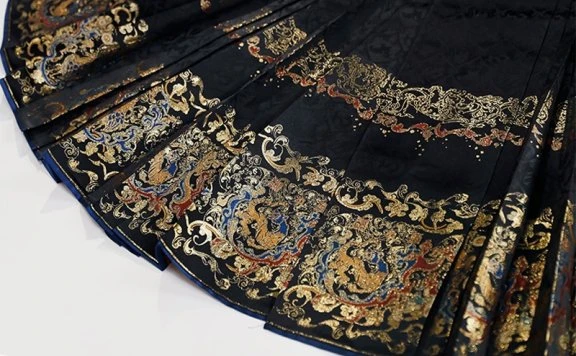
How to Seamlessly Integrate the Mamian Skirt into Your Daily Outfits
Among the numerous garments of Hanfu, the most popular one is probably the Mamian skirt. As a clothing item full of ethnic style, the skirt is characterized by vibrant colors and unique patterns. Wearing it seems like traveling through time and experiencing the charm of traditional culture. In fact, the Mamian skirt is not a completely new design, its history can be traced back to a hundred years ago. Also known as Mamian pleated skirt, it was one of the main skirt styles for ancient Chinese women. It consists of four skirt doors, both front and back, overlapping in pairs. The outer skirt door is adorned with decorations, while the inner skirt door has fewer or no decorations. The Ma Mian Qun is pleated on the side, and the skirt waist is often made of white fabric, symbolizing a lifelong union. It is fastened with a rope or button. The design of the Mamian skirt highlights symmetry and streamlined shapes, emphasizing the curves of women and creating an elegant and dignified image for the wearer. The charm of the Mamian skirt has actually transcended national borders. At the banquet where Princess Diana was announced as the future royal bride in… -
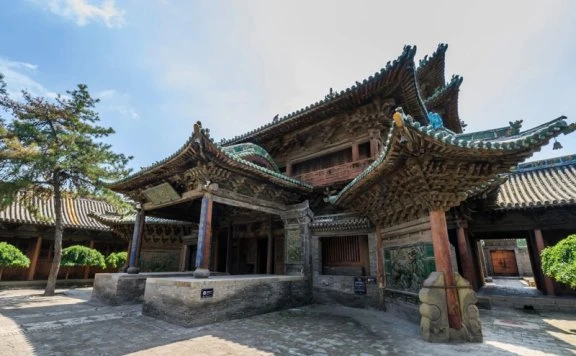
Exploring the Ancient Architectural Marvels of Shanxi
When it comes to above-ground cultural relics in China, Shanxi stands out. Among the country's important cultural heritage sites, Shanxi ranks first with 531 sites, accounting for 10.4% of the total number of cultural heritage sites in China, which is equivalent to the sum of the rankings of the next ten provinces. Shanxi boasts a complete sequence of ancient architectural eras, a wide variety of architectural types, and a large number of existing wooden structures dating back to the Yuan Dynasty and earlier, surpassing all other provinces in the country. In other words, if you want to explore the development of early Chinese architecture, you can only gain insight in Shanxi. So, what should you visit when you first arrive in Shanxi? The following are 35+ key cultural relics units in Shanxi organized in chronological order by Useless Rerearch Society, take a look at the stunning scenery of China's ancient architecture. Northern and Southern Dynasties 01 Yungang Grottoes From 460 AD onwards, the Northern Wei Dynasty, with Datong as its capital, exerted its full strength and gathered excellent craftsmen to carve the magnificent Yungang Grottoes on the cliffs of Lingyan. The Yungang Grottoes were not only the first royal-authorized… -
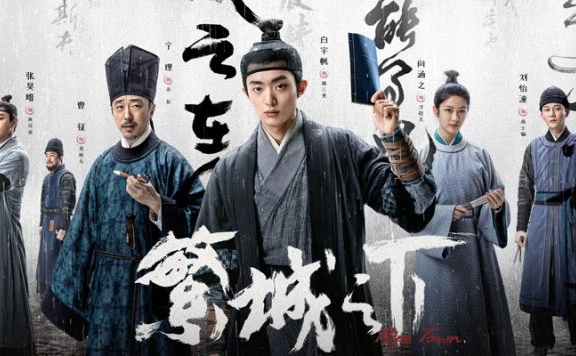
Ripe Town: Delivers an Engrossing Detective Drama with a Twist
Recently, the historical suspense drama "Ripe Town" has been released. The drama tells the story of the 37th year of the Wanli period in the Ming Dynasty, when a series of murders occurred in the Jiangnan Duxian County. The young constable Qu Sangeng, along with the historian Song Chen, his companions Gao Shicong, Leng Gui'er, Feng Kezhui, and others, delves deep into the investigation, unexpectedly uncovering a twenty-year-old unsolved case. In the first three episodes, each episode features a victim with an extremely bizarre cause of death. The first victim is the head constable Leng of the county yamen, who was dragged to the field by the killer and impaled with a sedan pole, creating a scarecrow-like figure. This victim happens to be the master of the male protagonist, Qu Sangeng. As a result, he suffers from indescribable psychological trauma. The process of investigating the case becomes even more challenging as he not only has to confront the mastermind behind the scenes but also delve into the intricacies of society, bowing to the laws of operation and the complexities of human relationships. He is like a pedestrian traversing the dark night, having to lift the torch to illuminate the path… -

Unlock the Secrets of Tiger and Crane - The Latest Must-Watch Fantasy Mystery Drama
The recent freshness in the Chinese drama market has been brought by "Tiger and Crane". This drama is adapted from the manga of the same name by Huang Xiaoda, and it tells the story of Hu Zi, an optimistic and cheerful orphan who accidentally swallows the Chi Zhu, a precious treasure. In doing so, he meets the cold and fastidious team captain of the Imperial Demon Master, Qi Xiaoxuan. These two young individuals with contrasting personalities are forced to travel together due to the Chi Zhu. Along the way, they meet companions such as Zhao Xintong, Wang Yuqian, and Shancha. Just as the ambitions of both the human and demon realms are about to bring catastrophe to the mortal world, this group of ambitious and passionate young individuals selflessly sacrifice themselves to save humanity. The common foundation of growth and the essence of passion in male-oriented fantasy dramas are also pushed to the extreme in this drama. The demon-hunting team embarks on a journey of battling monsters, leveling up, and completing dungeons, allowing the audience to experience the feeling of watching a passionate youth comic. The grand construction of the world showcases the distinctive characteristics of Eastern fantasy literature. By… -
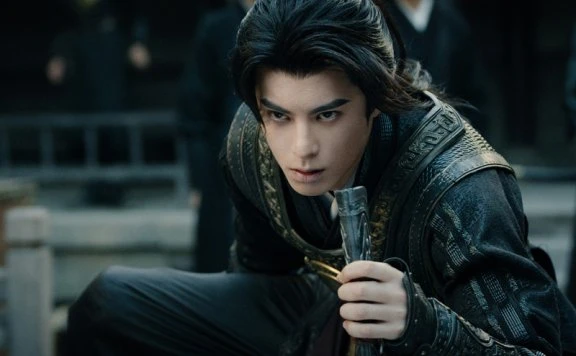
Guardians of the Dafeng: A Thrilling Blend of Mystery and Martial Arts in a Historical Setting
Dylan Wang, Tian Xiwei, and others star in the highly anticipated drama "Guardians of the Dafeng", which is currently being filmed. The original work is a popular online novel with a strong male protagonist, featuring numerous beautiful women. With the addition of the up-and-coming leading actor Dylan Wang, the drama has garnered much attention since its start of production. In June, a total of 28 actors were officially announced, ranging from popular young actors to seasoned veterans, covering the strengths of actors from different generations. It can be said that the drama possesses both good looks, acting skills, and popularity, indicating high expectations from the investors. In September, the official reservation channel was opened, and at the same time, the first set of character stills was released, providing a glimpse into the characters' personalities and relationships. The male lead is portrayed by Dylan Wang as Xu Qi An, the dominant presence in half of the stills. There is a striking solo shot of him wearing black attire, exuding a cool and stylish aura. There is also a kissing shot with Tian Xiwei, who plays Princess Lin An, dressed in red, displaying her charming and exquisite beauty. It is evident that… -
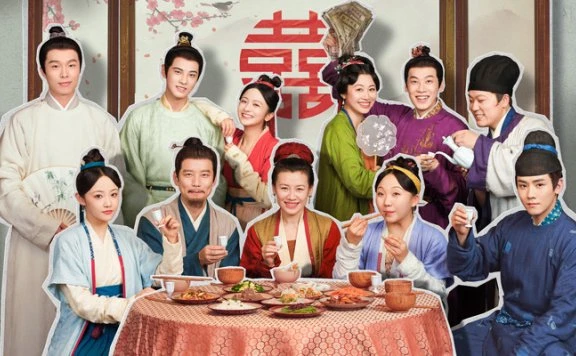
Laugh Out Loud with Hilarious Family: The Latest Must-Watch Comedy Costume Cdrama
The costume comedy drama "Hilarious Family" is currently airing and has gained popularity. It is a female-oriented family comedy that revolves around the daily lives and matchmaking adventures of a widowed mother and her four daughters. In the drama, Du Ru Yu, who lost her husband early on, single-handedly raises her four daughters, each with a distinct personality. In order to find suitable husbands for them, the family moves to the bustling city of Jiang Lin. Despite the challenges they face in the matchmaking process, the daughters' destined partners unexpectedly appear, leading to a series of comical and entertaining stories. From the main storyline and character development, "Hilarious Family" possesses a distinct comedic quality that appeals to a wide range of audiences. Since its premiere, the drama has maintained a good level of popularity, with its ratings even surpassing the legendary "Legend of the Undercover Chef" which was led by the renowned comedian Zhao Benshan. While there have been some controversies regarding certain aspects of the show's content and humor, "Hilarious Family" may not be considered an exceptionally outstanding comedy. However, its current achievements do indicate that it has successfully captured and retained the audience's attention to a certain extent,…