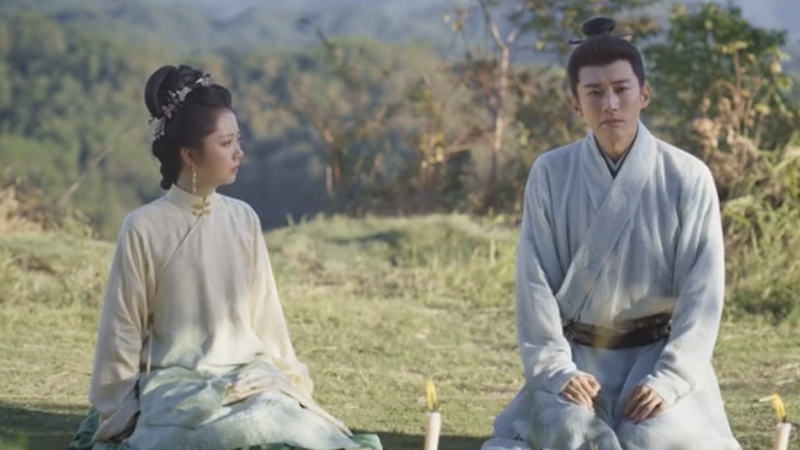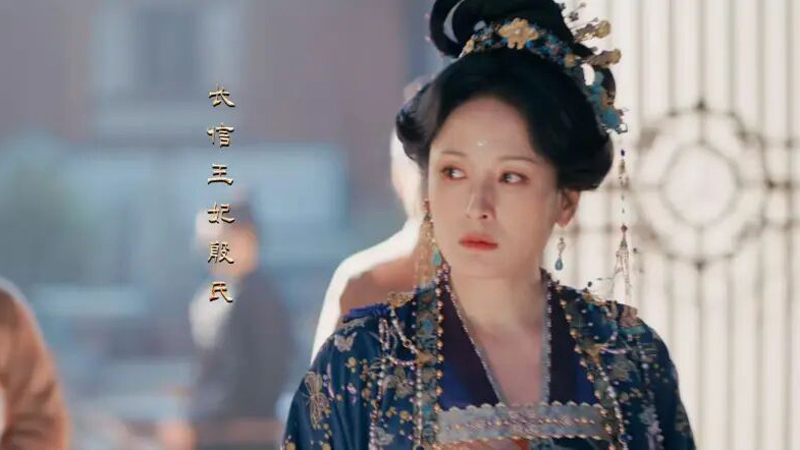
He Simu (贺思慕) has a secret. In the hit Chinese drama Love Beyond the Grace (白日提灯), the powerful Spirit Lord of Guixu (归墟) – played by Dilraba – seems to have it all: immortality, authority, and a haunting beauty. Yet she spends most of her time wandering the human world, grinning like a tourist who just found a hidden food stall. Why would a ruler of the dead prefer the messy, chaotic land of the living?
The truth, as the latest episodes reveal, is painfully simple. He Simu isn’t escaping duty – she’s running from a mountain of paperwork, a dying cosmic tree, and a job that never clocks out. For anyone who has ever dreaded returning from vacation, her story hits uncomfortably close to home.
The Never-Ending Shift
He Simu returns to Guixu not with joy but with dread. Her face, so bright in the human realm, freezes the moment she decides to go back. Why? Because Fusang (扶桑) Wood, the tree that anchors the spirit world’s safety, is wilting fast. She barely steps through the gate before rushing to heal it – only to find the damage so severe that she can only slow the decay. A temporary fix, followed by weeks of exhausting repair work. No celebration, no welcome. Just a crisis.
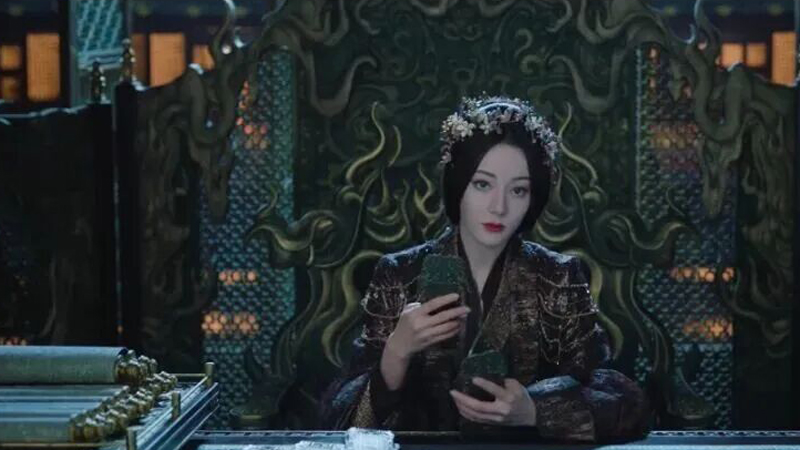
Then comes the real nightmare. As she walks into her throne hall, a swarm of underlings surrounds her. The twenty-four palaces begin their reports – each one a fresh headache. She slumps on her seat, massaging her temples. Every decision lands on her lap: budget disputes, territorial fights, spiritual imbalances. She hates it, but she cannot delegate everything. A Spirit Lord rules alone. So she listens, judges, and orders. Her voice stays calm, but her eyes betray exhaustion.
Back in her study, the pile of documents waits. During her “human leave,” she handed power to Right Chancellor Yan Ke (晏柯). Now she must review every file he touched. The ones he couldn’t solve? Those become her emergency tasks. After the paperwork, she handles criminal spirits – judgments, punishments, appeals. And somewhere in between, she must return to Fusang Wood. Again. And again. The tree’s decay never stops. Neither does her duty. By midnight, she hasn’t eaten. By dawn, she hasn’t slept. Sound familiar?
Three Human Pleasures
So what does He Simu do when she escapes to the mortal world? Three things, each more delightful than any royal privilege in Guixu. First, she loves to sit on her magical lantern – the Wanling (万灵) Lantern– hovering mid-air like a ghost watching a movie. From that height, she observes human joys and sorrows as if they were a play. Duan Xu (段胥) fights bloody battles against the Beichong (北崇) Army? She watches quietly. His life-or-death duel with his senior brother? She stays still, arms crossed. She never interferes unless someone begs for help. It is the ultimate form of leisure: drama without responsibility.
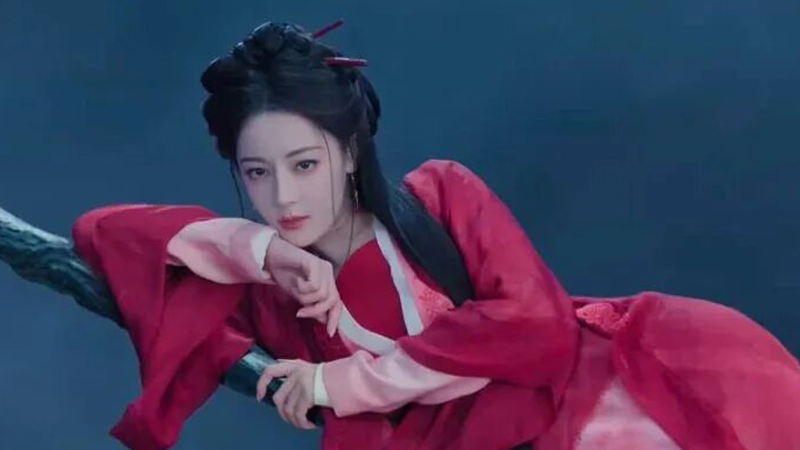
Second, she trades wishes for her assistance. A mother wants her daughter Qiao Yan (乔燕) saved? He Simu keeps the girl’s body close, nourishing it with her own spirit energy. A desperate father begs her to rescue Xue Chenying (薛沉英)? She agrees – and even finds the boy a powerful protector in Duan Xu. Each wish becomes a transaction, but also a game. She enjoys the bargaining, the clever twists, the satisfaction of solving human problems without the suffocating weight of ruling an entire realm.
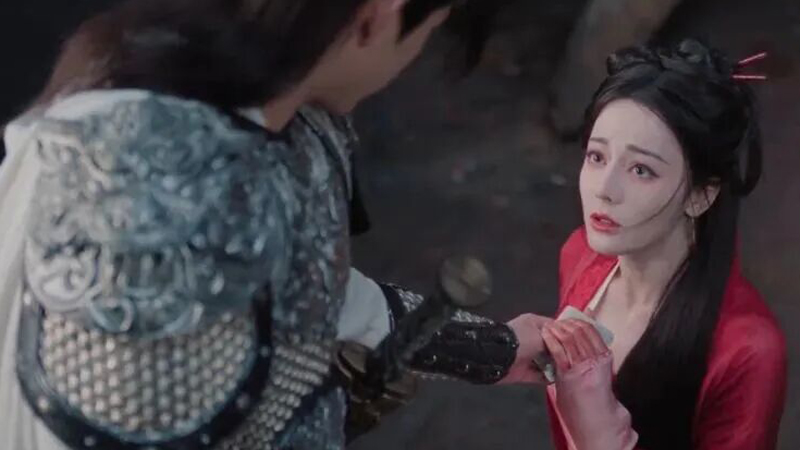
Third, and most shamelessly, she flirts with Duan Xu. In the war-torn ruins of Liangzhou (椋州), she first appears to him as a pitiful, tear-streaked creature. He pulls out a handkerchief to clean her face – exactly as she planned. Later, to test his identity, she bursts in while he changes bandages, cheerfully announcing she has already seen everything. She pins him to the bed during an interrogation, ignoring the awkward intimacy. And when they exchange the sense of touch, she stays up all night feeling every object in his mansion – furniture, walls, fabrics – leaving servants convinced a thief had broken in. This is not a dignified Spirit Lord. This is a woman on vacation.
The Relatable Rebel
He Simu’s behavior mirrors something deeply human: the joy of being useless. In Guixu, she is indispensable. The tree dies without her. The spirits fight without her. The paperwork piles without her. She is the classic overworked boss, trapped by her own power. But in the human world, she is nobody. A spectator. A trickster. A girl who can spend an entire night touching things for fun because no one expects anything from her. That freedom is addictive.
Think about your own life. Have you ever returned from a holiday only to find a thousand emails, a broken project, and colleagues who “didn’t want to bother you” but left everything for your return? He Simu’s dread is universal. She smiles in the human world because there, her time belongs to her. She can watch battles without fighting them. She can grant wishes without managing consequences. She can flirt without running a kingdom. It is a vacation from identity itself.
And that is the heartbreaking truth. He Simu loves roaming the human world not because she hates her people or her power. She loves it because she is tired. Tired of being the only one who can fix the Fusang Wood. Tired of reviewing documents at midnight. Tired of the throne that looks glorious but feels like a cage. When she sits on her lantern, laughing at human dramas, she is not mocking them. She is envying them. They get to be ordinary. She never does. So next time you see her grinning in a market or teasing Duan Xu, remember: that smile is not carefree. It is a stolen moment before the next endless shift begins.