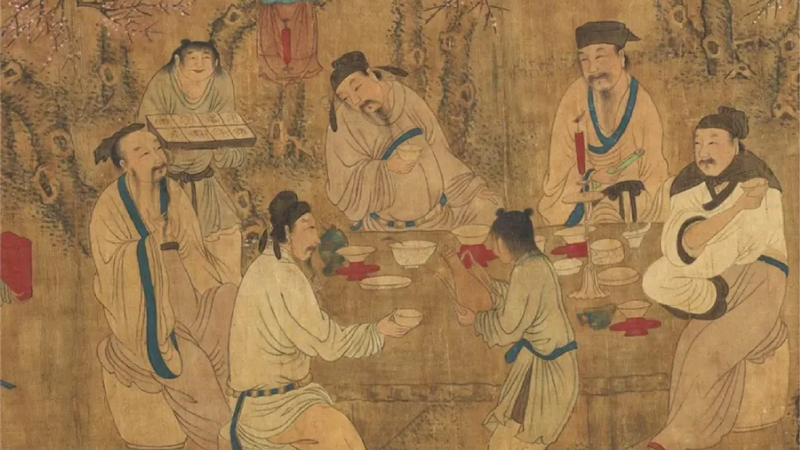
When you expertly pinch a piece of braised pork with your chopsticks, have you ever wondered if the ancient Chinese did the same? A journey back in time might reveal a surprising scene: the dinner tables of our ancestors were once set with knives, forks, and spoons, while the humble chopstick was merely a supporting actor. The history of Chinese tableware is a fascinating story of changing tastes, cooking methods, and cultural evolution.
Forged in Bone: The Original Utensils
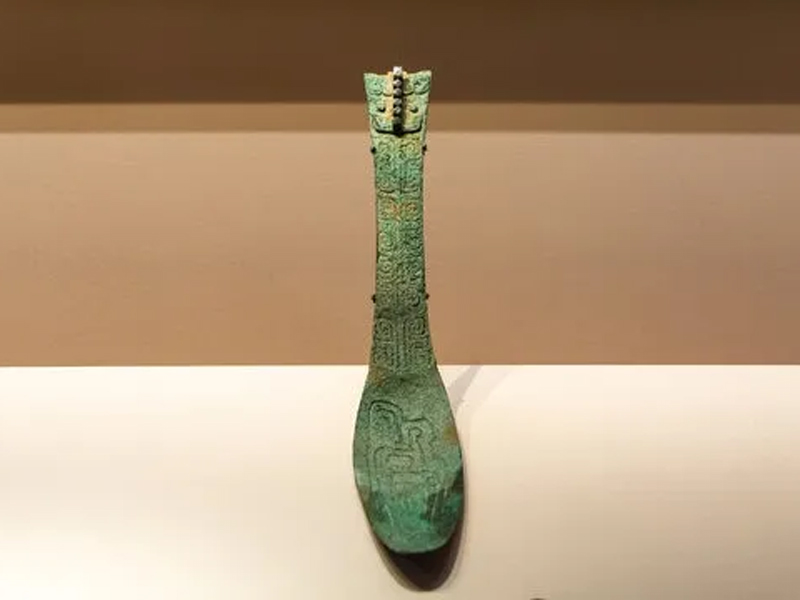
Long before bronze or iron, the first Chinese meals were eaten with tools made from bone. At the Cishan (磁山) culture site in Hebei (河北), dating back over 7,000 years, archaeologists have uncovered bone utensils known as "bi" (匕). This ancient spoon, shaped like a small shovel or a modern teaspoon, was the primary tool for scooping up cooked grains.
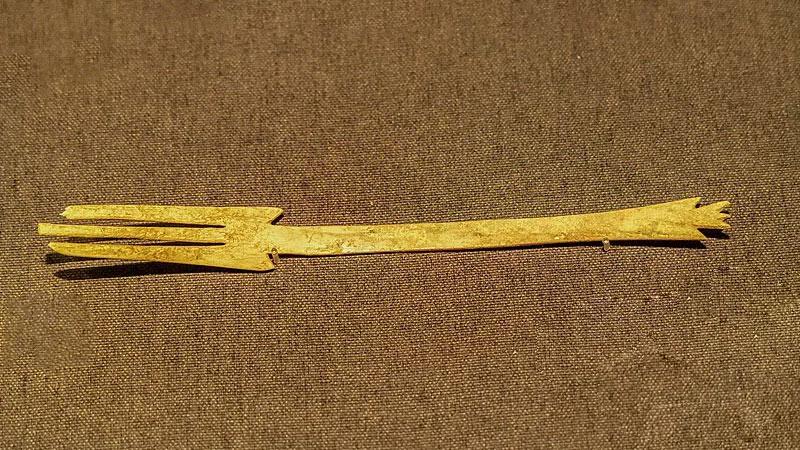
Even more astonishing is the discovery at the Zongri (宗日) site in Qinghai, which yielded a complete set of bone knives, forks, and spoons from over 5,000 years ago. This indicates that while our ancestors were still using stone and bone, they had already devised a sophisticated system for cutting and eating meat, long before the advent of chopsticks as we know them.
Ritual and Bronze: The Era of the Spoon
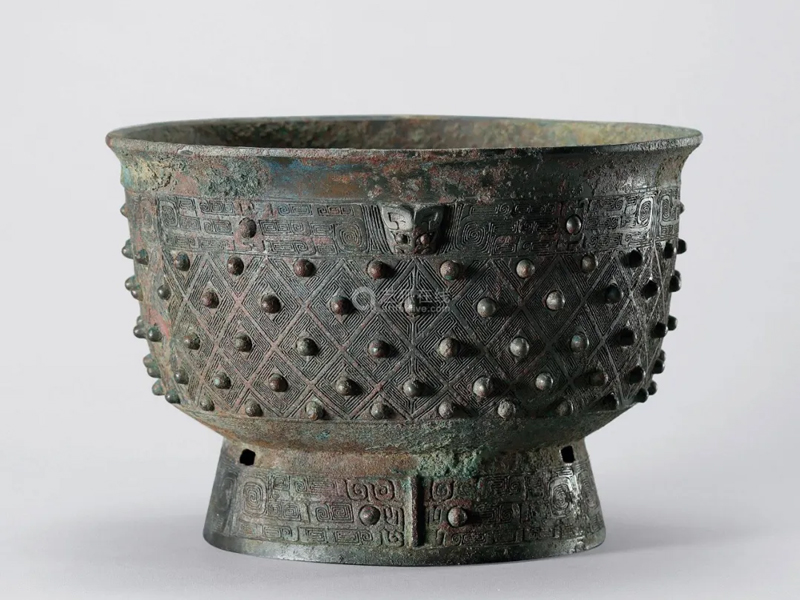
With the arrival of the Bronze Age, tableware became more than just functional; it was a symbol of status and ritual. Vessels like the ding (鼎) and gui (簋) were used for cooking and serving, but the utensils for eating were still dominated by the bi spoon . So, what was the earliest role of the chopstick, then known as "zhu" (箸)? It was a dedicated tool for a specific dish: soup. Ancient meals often featured "geng" (羹), a hot broth filled with meat and vegetables. It was too hot to handle, and a spoon would bring up too much liquid. The zhu were invented precisely for this purpose—to pluck the solid morsels from the hot soup.
According to Han Fei Zi (韩非子), King Zhou of the Shang dynasty was using ivory chopsticks over 3,000 years ago, marking them as a luxury item for the elite . The proper dining etiquette of this time was therefore clear: use the bi to eat your grains, and the zhu to retrieve food from the communal broth.
Luxury to Necessity: A Shift in Habits
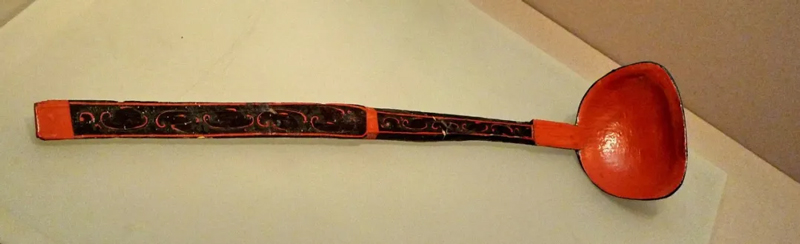
The Han dynasty brought economic prosperity and significant social change. As common people began to afford more meat in their diets, the dining landscape shifted. Cooking techniques improved, and food was being cut into smaller, more manageable pieces before it ever reached the table, reducing the need for a knife at individual settings. This is where the chopstick's versatility shone. It could grasp any morsel, large or small, with a dexterity a fork could not match.
Even the aristocracy began to abandon their knives, adopting the combined use of the spoon and chopsticks. It was during this period that the famous story of Liu Bei (刘备) and Cao Cao (曹操) took place, where Liu Bei, feigning fear, dropped both his bi and zhu to the ground . By the Tang dynasty, the fork had all but vanished from the Chinese table, and the chopstick was on its way to becoming the star.
The Noodle Revolution: Chopsticks Take Command
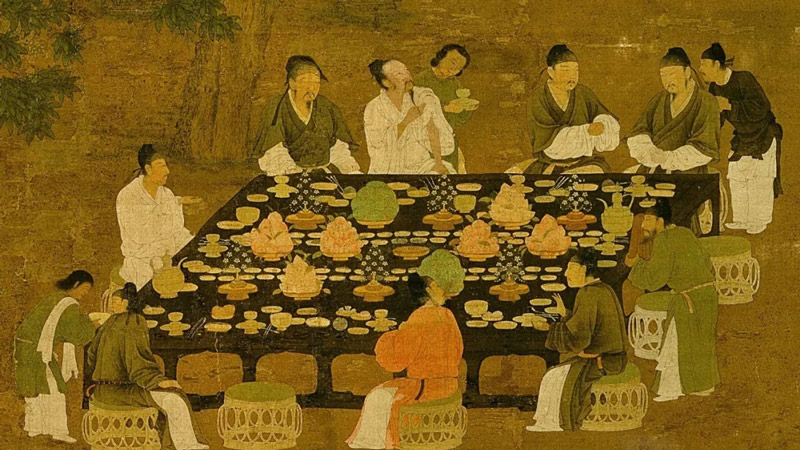
The ultimate victory of the chopstick, however, was decided by a single dish: the noodle. During the Song dynasty, the popularity of wheat-based foods like noodles and rice noodles exploded. Try eating a bowl of slippery noodles with a spoon—it's a frustrating exercise. The chopstick, designed for grasping and lifting, was the only tool for the job.
For the first time, the chopstick became the primary implement for consuming the staple food, relegating the spoon to the role of soup and broth duty. This Tang-Song period marked the finalization of the classic Chinese dining setup. Wall paintings from Tang tombs show chopsticks placed horizontally on the table, a tradition still seen in Japan today, while by the Song dynasty, they had shifted to the vertical or angled placement we are familiar with now.
Artistry and Identity: The Modern Chopstick
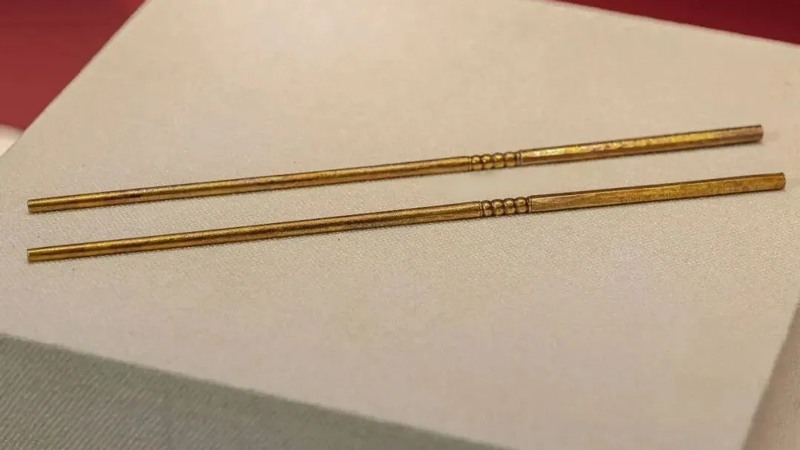
From the Yuan dynasty onwards, the chopstick's dominance was absolute. The Ming dynasty refined its design, creating the "square on top, round below" shape that provides a non-roll grip and a precise tip . The Qing dynasty elevated the chopstick to an art form. In The Dream of Red Mansions (红楼梦), lavish utensils like ivory chopsticks inlaid with gold are mentioned, showcasing wealth and status. The Guang Xu (光绪) Emperor's imperial kitchen boasted a collection of chopsticks in gold, silver, and precious woods. This journey from a simple bone tool for fishing food out of a soup to an exquisitely crafted personal utensil mirrors the entire history of Chinese cuisine.
Today, when you pick up a pair, you are holding not just an instrument for eating, but a 5,000-year-old legacy of culinary innovation. So, the next time you hear "dinner's ready!", take a moment to appreciate the remarkable history in your hand.