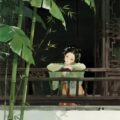
What if your greatest enemy was the person you used to be? This is the devastating question at the heart of the new online sensation, Echoes of the Self (照镜辞). Departing from the well-trodden path of simplistic rebirth fantasies, this 22-episode series introduces a thrilling paradox: a woman given a second chance must confront her past self, setting the stage for a battle of wits, will, and soul. It’s a sophisticated take on the historical drama, weaving together themes of fate, regret, and the complex duality of human nature.
The story begins not with a whisper, but a scream. Empress Zhou Ruoxi (周若兮), portrayed by Chen Yao (陈瑶), is at the peak of her power, having orchestrated a brutal revenge that leaves her enemies decimated. Yet, this triumph is short-lived. Her former lover, Prince Yan Li Yan (燕王李晏), portrayed by Quan Yilun (全伊伦), storms the palace under the pretext of cleansing the court, only to reveal his true intent: to save her from a trap set by the Emperor. In a tragic twist, both meet their end. But as her life fades, Zhou Ruoxi’s desperate prayer is answered—not by returning to her own body, but by awakening three years in the past in the body of Princess Fuwei (扶微), a foreign noblewoman sent for a political marriage.
Now, armed with the painful knowledge of how her ambition led to ruin, she is determined to protect Li Yan and alter their doomed destiny. Her plan, however, immediately faces an insurmountable obstacle: her former self. The ambitious, power-hungry Zhou Ruoxi of three years ago is still very much alive, relentlessly pursuing the throne and seeing the new Princess Fuwei as a rival to be crushed. The stage is set for a profound conflict where the hunter is also the prey.
A Clash of Selves
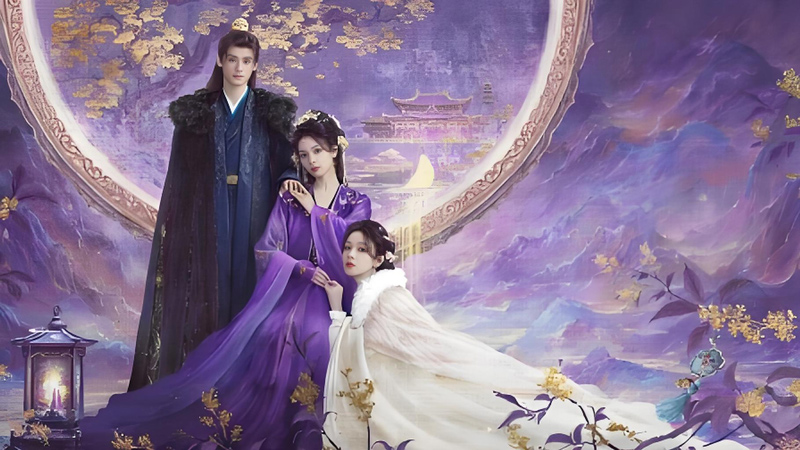
Chen Yao delivers a masterclass in duality, portraying two versions of the same character with breathtaking clarity. The former Empress is a figure of sharp edges and cold calculation. Her gaze is piercing, her smile a weapon, and her every movement heavy with the authority of one who has wielded absolute power. In stark contrast, Princess Fuwei carries the wisdom of a tragic past behind a facade of youthful innocence. Her eyes hold a deep sorrow, and her demeanor blends the gentle grace expected of a foreign princess with sudden, startling flashes of the decisive Empress she once was. The actresses’ ability to differentiate these two personas is the series' greatest strength.
This internal conflict is brilliantly physicalized in their interactions. One standout scene occurs during a tense tea ceremony. The past Zhou Ruoxi, in a subtle act of aggression, slowly drags her ornate fingerguard along the rim of her cup, creating a faint, unsettling sound. In response, Princess Fuwei, recognizing the mannerism from her own past, instinctively clenches her handkerchief, a small gesture betraying a torrent of suppressed emotion and memory. These non-verbal exchanges are more gripping than any sword fight, illustrating a war fought with memory and regret. The central tension asks whether wisdom acquired through tragedy can truly overcome the raw, driving force of youthful ambition. Can one outsmart their own nature?
The narrative cleverly avoids the common trap of giving the reborn character an easy advantage. There is no simple “golden finger” or cheat code to victory. Instead, Princess Fuwei’s knowledge is a double-edged sword. She understands the political machinations, but her attempts to steer events are constantly complicated by the actions of her past self, who remains a wildcard driven by desires Fuwei now knows are hollow. This creates a fascinating dramatic irony for the audience, who watches two versions of the same mind attempt to outmaneuver each other in a deadly game they both once lost.
The Guardian with a Broken Memory
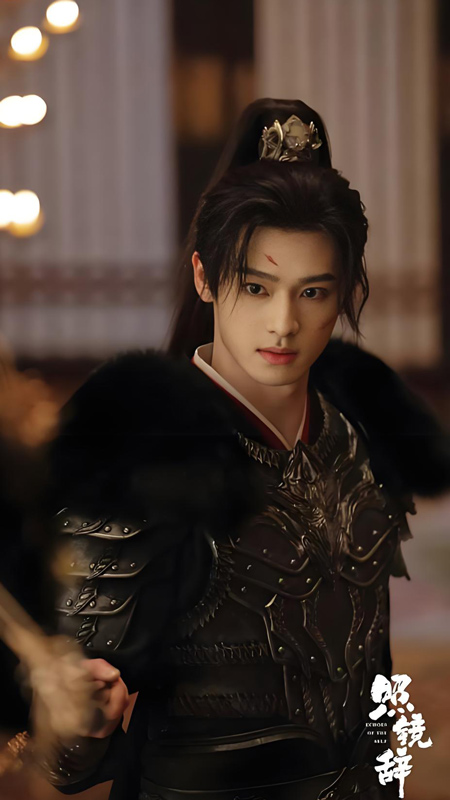
Equally compelling is the arc of Li Yan, who breaks the mold of the typical romantic lead. In the previous life, he was a tragic figure, a hero doomed by his love. In this new timeline, he is not a blank slate but a “guardian with fragmented memories.” He carries haunting echoes of his past life—fleeting images and an unexplained, profound connection to the foreign princess he has just met. Quan Yilun portrays this confusion and latent pain with remarkable subtlety, using micro-expressions to convey a soul struggling with deja vu.
His relationship with the two Zhou Ruoxis is the core of his journey. When interacting with the ambitious Empress-to-be, his demeanor is cold and detached, a reflection of the betrayal he vaguely remembers. However, in the presence of Princess Fuwei, he is frequently disarmed. A particular turn of her head, a specific phrase, or a familiar glance triggers a memory flashback, causing his carefully maintained composure to crack and reveal a deep, aching confusion. This performance powerfully sells the idea of a man falling in love with a soul rather than a face, adding a layer of poignant destiny to the plot. He is instinctively drawn to the essence of the woman he loved, even if it resides in a different vessel, while being repelled by the shell of the person who caused him pain.
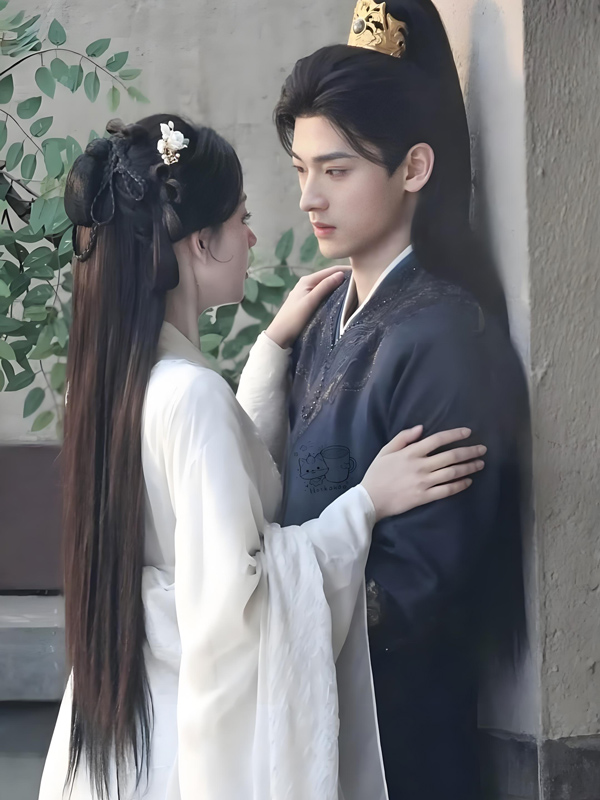
This dynamic elevates the romance beyond a simple second-chance love story. It becomes a question of whether love can transcend not only death but also the profound changes in a person’s identity. Li Yan’s internal struggle mirrors Zhou Ruoxi’s external one; both are grappling with fragments of a past life, trying to assemble a new future from the broken pieces. His role shifts from that of a mere love interest to an active participant in the psychological and spiritual battle at the story's center, a partner in the fight against a predetermined fate.
Echoes of the Self succeeds by offering more than just palace intrigue and revenge. It is a thoughtful examination of self-forgiveness and the difficult path of change. By forcing its heroine to literally face her past mistakes, the series argues that true redemption is not about erasing the past, but about understanding it so completely that you can forge a new path. For viewers tired of predictable narratives, this drama provides a refreshingly intelligent and emotionally resonant journey into the most complicated battle of all: the one we fight with ourselves.