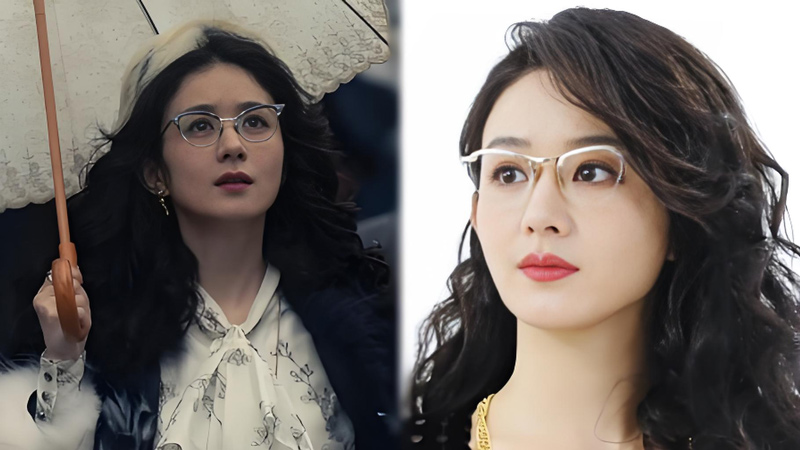
When Zhao Liying’s (赵丽颖) emotionally restrained performance in The House of Arowana streamed on December 20, 2024, a stunning reversal unfolded. Overnight, "Zhao Liying’s underrated acting skills" trended explosively, silencing years of skepticism about her abilities. This 38-year-old actress, once criticized as expressionless and overacting, now commands respect as Xilin (西林), an intellectual whose quiet intensity captivated audiences. Her journey from doubted star to validated artist reveals uncomfortable truths about our perception of performers.
The Unfolding Controversy
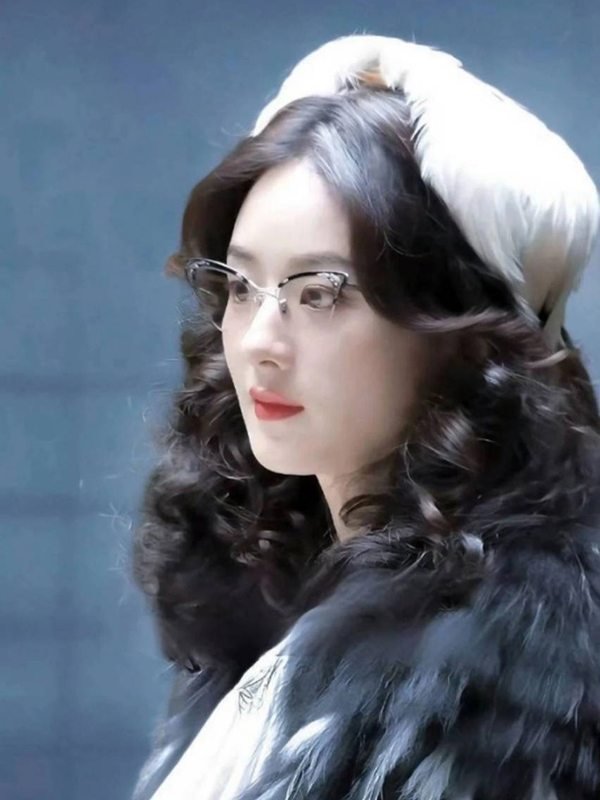
Doubts shadowed Zhao Liying for years. After her breakout role in The Journey of Flower, critiques called her "wooden." When The Story of Minglan aired, accusations of "overacting" followed. Before She's Got No Name’s (酱园弄) release, prominent screenwriter Wang Hailin (汪海林) publicly questioned her casting, suggesting co-star Yang Mi (杨幂) outperformed her. Fans clashed fiercely as "poor line delivery" and "traffic stars ruin arthouse films" dominated discussions.
Amidst this storm, Zhao remained characteristically silent. She never engaged in online battles or defended herself in interviews. Industry insiders whispered about the immense pressure on "85 Generation Flowers" – actresses born in the 1980s facing intense scrutiny over every flaw. Yet Zhao focused solely on her craft, embodying a work ethic that ignored the noise.
Her resilience stemmed from experience. Each career shift – from romantic comedies like Boss & Me to gritty dramas like Wild Bloom– invited skepticism. Transitioning from fantasy costumes to contemporary realism, she repeatedly shattered expectations while critics waited for stumbles.
The Unshakeable Proof
She's Got No Name delivered Zhao’s vindication. Though her role as writer Xilin had limited screen time, every moment resonated. Director Peter Chan’s tight frames highlighted her subtlety: the slight tremor in her hands while lighting a cigarette, the restrained pain in her eyes during a prison visit with co-star Zhang Ziyi’s (章子怡) character.
Her line delivery, initially criticized as stiff, revealed meticulous character study. Xilin spoke with precise diction and an educated, mid-century cadence – a deliberate choice reflecting her intellectual background. When she confronted Zhang’s embattled housewife, the clash of social classes resonated through controlled vocal shifts and tense pauses.
Audiences noticed the mastery. Social media buzzed with dissection of her jail scene monologue, where a single tear countered years of "emotionless" labels. What critics called weakness became her strength: the intellectual’s restraint magnified the character’s internal turmoil, proving that stillness speaks louder than dramatics.
The Constant Evolution
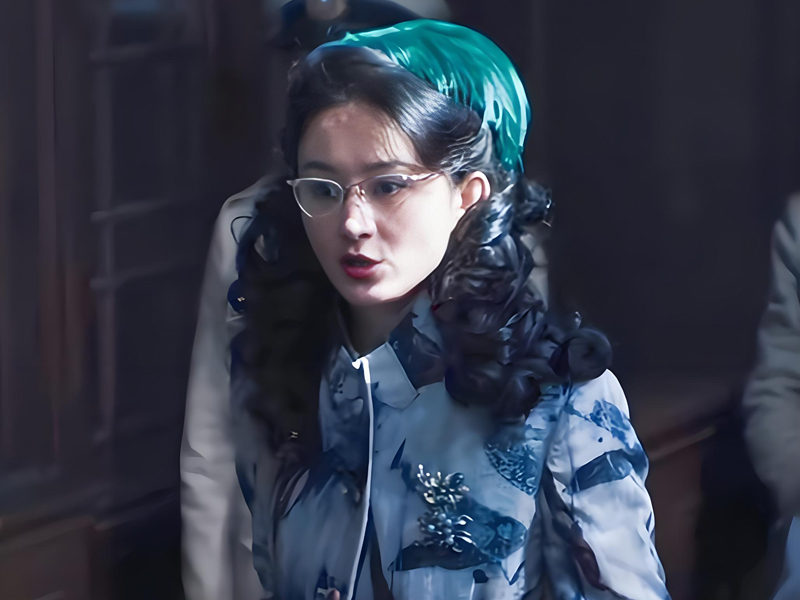
Zhao’s path reflects relentless reinvention. Early roles like Boss & Me’s cheerful Xue Shanshan (薛杉杉) typecast her as a sweet ingenue. She shattered this with The Journey of Flower’s tortured heroine, then embraced The Story of Minglan’s strategic brilliance. Her daring continued with Wild Bloom’s steel tycoon and A Lifelong Journey’s rural mother.
Each transformation defied industry expectations. Moving from fantasy to historical drama, then leaping into rural realism and corporate thrillers, she navigated genres with zero hesitation. She's Got No Name marked her boldest leap yet – an arthouse film demanding psychological nuance far removed from commercial projects.
This artistic courage stems from self-awareness. Dubbed "China’s hardest-working actress," Zhao prioritizes growth over comfort. She selects roles exposing new vulnerabilities, whether mastering rural dialects or conveying corporate ambition’s loneliness. Her choices reveal an artist mapping uncharted territory within herself.
Beyond the Prejudice
She's Got No Name’s streaming success transcends one performance. It challenges how we evaluate artists. "Traffic stars can’t act" became an unquestioned mantra, particularly targeting actresses like Zhao navigating commercial fame and artistic ambition. Her triumph exposes this bias as lazy thinking.
True artistry reveals itself through persistence, not overnight miracles. Zhao’s career embodies this – each role layered new depth onto the last. Xilin didn’t emerge fully formed; she was built through Minglan’s resilience, Banxia’s ambition, and Xingfu’s grit. This cumulative effort made her prison scenes in She's Got No Name so devastatingly authentic.
Zhao’s journey underscores an uncomfortable truth: we dismiss artists navigating mainstream success too easily. Her quiet revolution proves that legitimacy isn’t bestowed; it’s earned frame by frame, silence by weighted silence. In Xilin’s restrained anguish, audiences finally saw what Zhao always was: not a star slumming in art films, but an artist who happened to shine brightly.