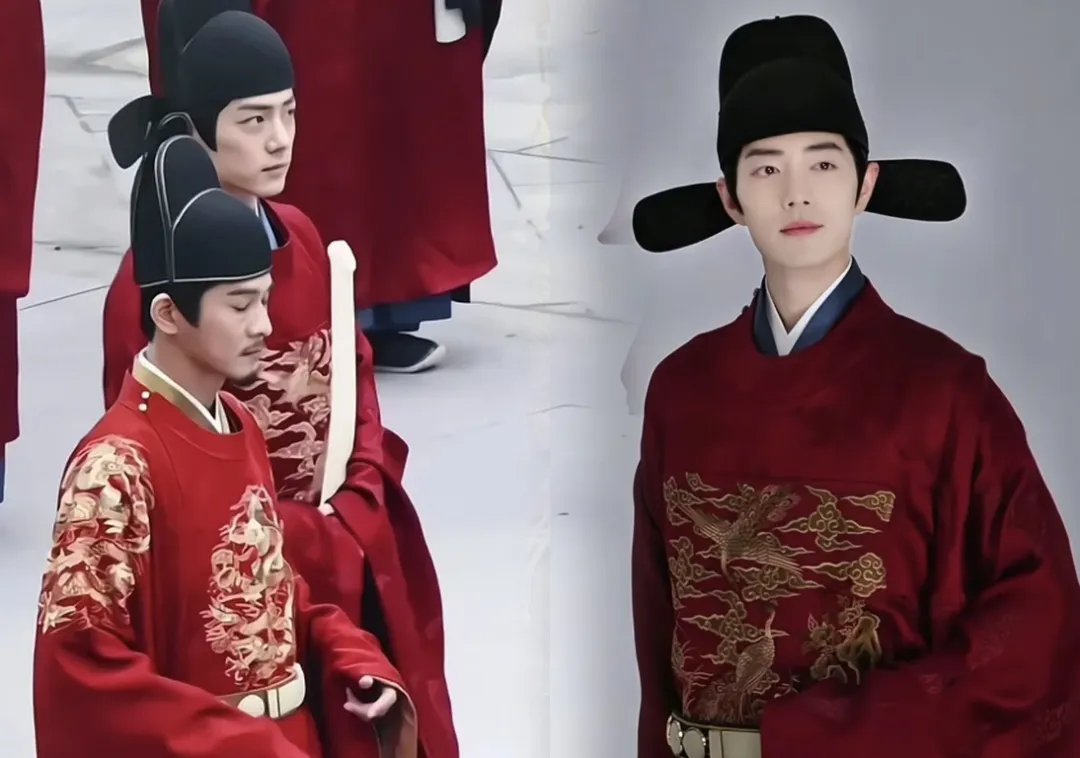
As soon as the official robe looks of Xiao Zhan in "The Legend of Zang Hai" came out, some netizens exclaimed, "This Hanfu really has a good texture. No wonder it's an official robe!" First, let's conclude. Actually, the official robes in the Ming Dynasty were the professional formal wear for officials. The basic style was a long robe with large sleeves and a round collar or cross collar. There were 'emblem patches' on the front and back to show different identities, distinguishing official robes from ordinary formal wear. Here, the 'emblem patches' represent one's status. Not only men, but also women who were granted imperial titles or served as female officials would wear robe - skirts with emblem patches.
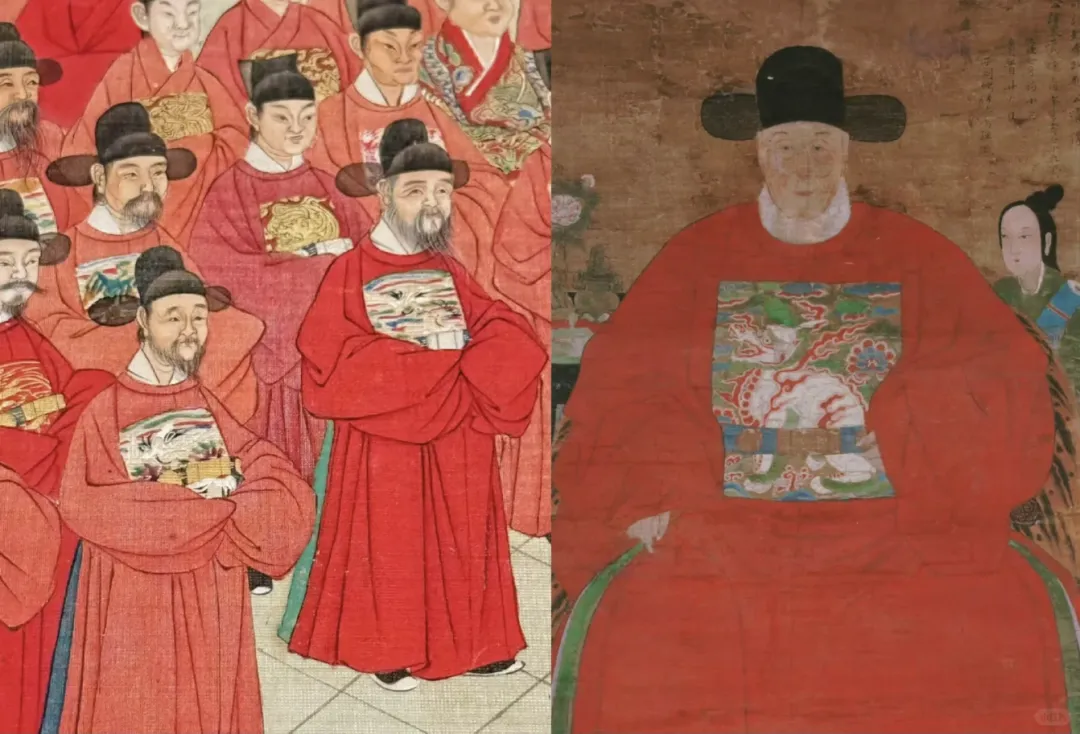
For many people, the Ming - Dynasty clothes have relatively high - quality textures, and the emblem patches on official robes enhance another aspect of the clothing's texture. In ancient times, flying 'birds' and running 'beasts' were embroidered on official robes to show the ranks of civil and military officials. According to the "Ming Huidian", in the 24th year of Hongwu (1391), it was stipulated that civil officials should have birds embroidered on their robes, and military officials should have beasts, to make the distinction clear: 'For civil officials, the first - rank official wears a scarlet robe embroidered with a crane; the second - rank, a scarlet robe embroidered with a golden pheasant; the third - rank, a scarlet robe embroidered with a peacock; the fourth - rank, a scarlet robe embroidered with a wild goose; the fifth - rank, a cyan robe embroidered with a silver pheasant; the sixth - rank, a cyan robe embroidered with an egret; the seventh - rank, a cyan robe embroidered with a kestrel; the eighth - rank, a green robe embroidered with an oriole; the ninth - rank, a green robe embroidered with a quail. For military officials, the first - and second - rank officials wear scarlet robes painted with lions; the third - rank, a scarlet robe painted with a tiger; the fourth - rank, a scarlet robe painted with a leopard; the fifth - rank, a cyan robe painted with a bear; the sixth - and seventh - rank, a cyan robe painted with a panther; the eighth - rank, a green robe painted with a rhinoceros; the ninth - rank, a green robe painted with a sea - horse.' At the same time, the emperor could grant emblem patches to meritorious officials to commend their outstanding achievements.
Since the official robes of officials from the first to the fourth ranks were all scarlet, which was inconvenient to distinguish, to increase the distinction in details, it was also stipulated that different - sized hidden patterns should be woven on the official uniforms. The "History of Ming Dynasty - Records of Carriages and Clothing" states: 'The first - rank official has a large single - flower pattern with a diameter of five inches; the second - rank, a small single - flower pattern with a diameter of three inches; the third - rank, scattered flower patterns without branches and leaves, with a diameter of two inches; the fourth - and fifth - rank, small and broken miscellaneous patterns with a diameter of one and a half inches; the sixth - and seventh - rank, small miscellaneous flower patterns with a diameter of one inch; officials below the eighth - rank have no patterns. The clothing colors and patterns of dukes, marquises, imperial sons - in - law, and earls are the same as those of first - rank officials.'
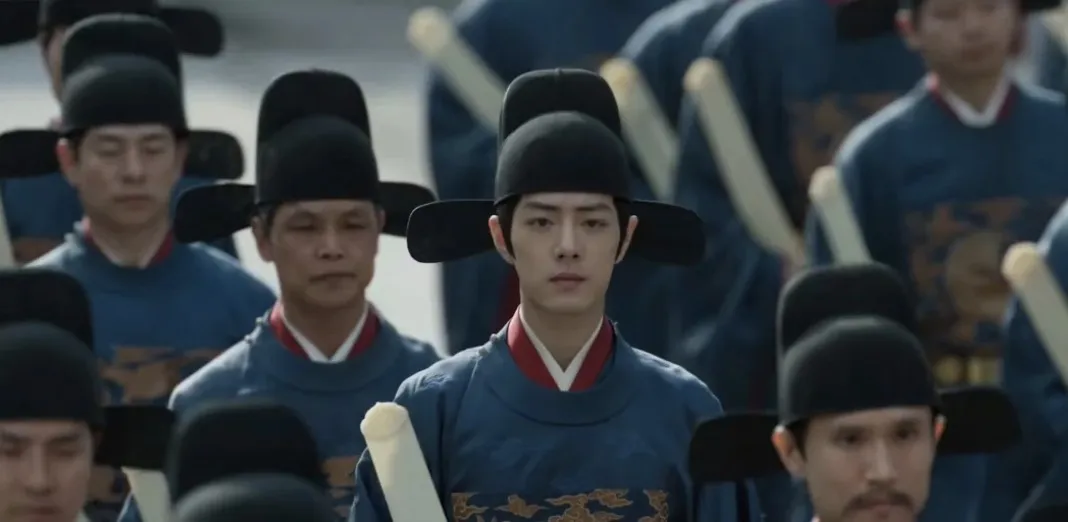
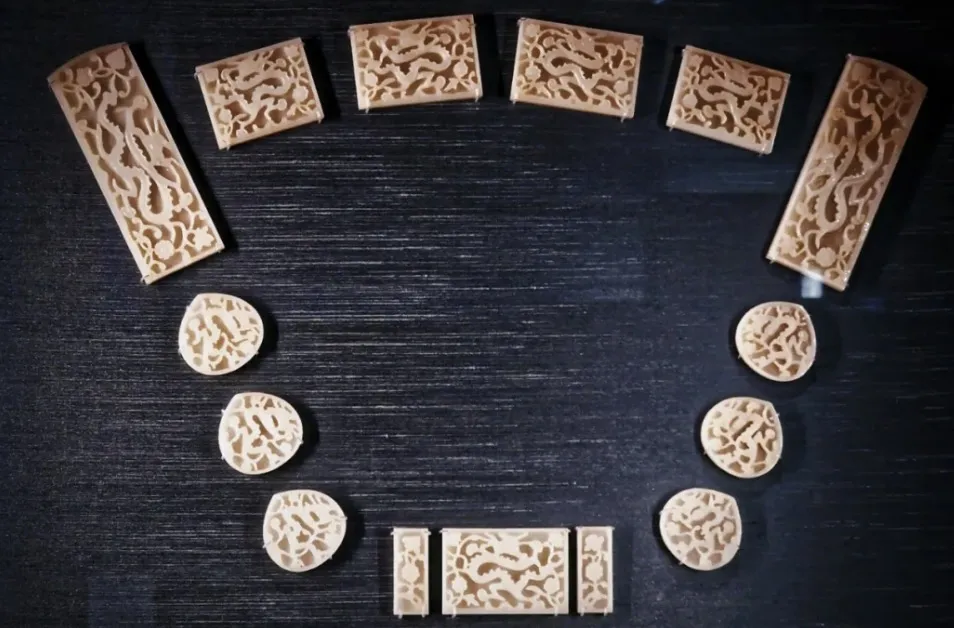
Besides the official robe, wearing a black gauze hat, a leather belt around the waist, black boots on the feet, and holding a tablet in the hand during court sessions became the classic image of Ming - Dynasty officials. In the Hongwu period of the Ming Dynasty, it was also stipulated that civil officials should wear large - sleeved robes, while military officials could wear narrow - sleeved ones. In addition to the clothing colors, the materials of the belts were also regulated. For example, first - rank officials used jade, second - rank officials used rhinoceros horn, third - rank officials used engraved gold, fourth - rank officials used plain gold, fifth - rank officials used engraved silver, sixth - and seventh - rank officials used plain silver, and eighth - and ninth - rank officials used ox horn.
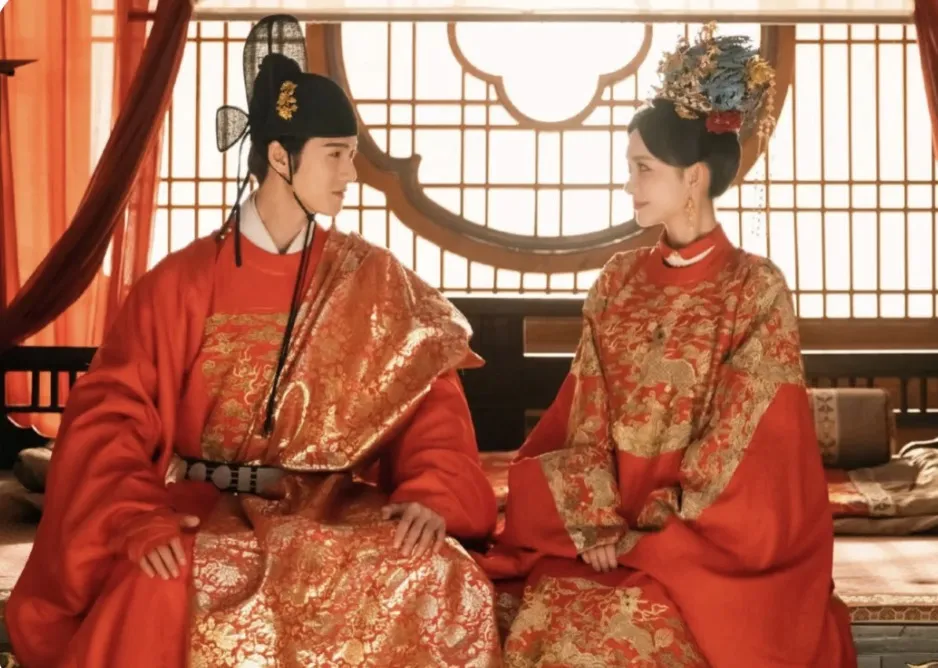
Many people can't distinguish between official robes and auspicious robes. In the Song and Ming Dynasties, officials with a certain rank could wear official robes as 'auspicious robes' because the most solemn auspicious robes were imperial - granted robes (such as python robes, flying - fish robes, bull - fight robes, and unicorn robes) and official robes. For example, at weddings, officials could wear the most prestigious robes to show their highest status as 'wedding clothes'. However, for people without official ranks, auspicious robes were just more gorgeous than daily wear, with some auspicious patterns added. Similar clothing can also be seen in the ancient - costumed drama "The Purple of Nine Layers".
Thanks to the promotion of TV dramas, more people have learned about our clothing culture, so that it won't be misappropriated by other countries' cultures. After reading this, how much have you learned? Let's have those who clicked into this article guess what rank of official Xiao Zhan's official robe is for. This article is just for popular science, aiming to spread knowledge about the Ming - Dynasty official robe system and let more people appreciate the charm of traditional Chinese clothing culture.