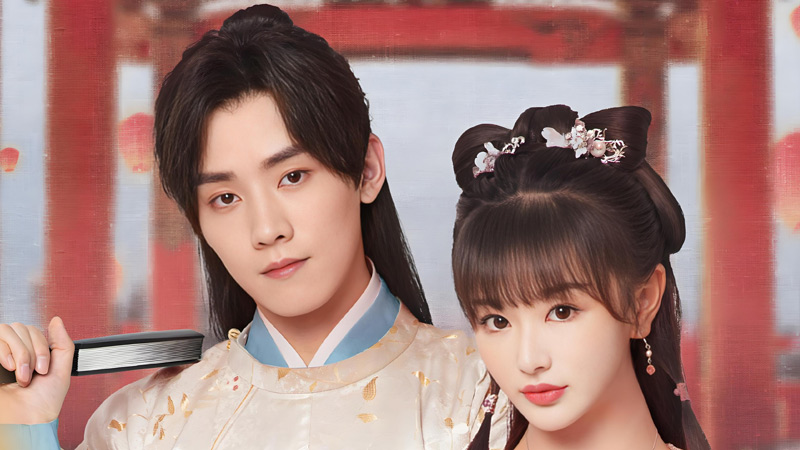
As July's finale period drama, Ming Mei Shan Qu (明媒善娶) stormed streaming charts, seizing the #1 trending spot with a soaring 7,500+ heat index on iQIYI. This costume drama revitalizes the genre by weaving political intrigue into a matchmaking agency's operations, breaking free from tired tropes while showcasing standout performances from its ensemble cast.
A Matchmaking Agency with Political Stakes
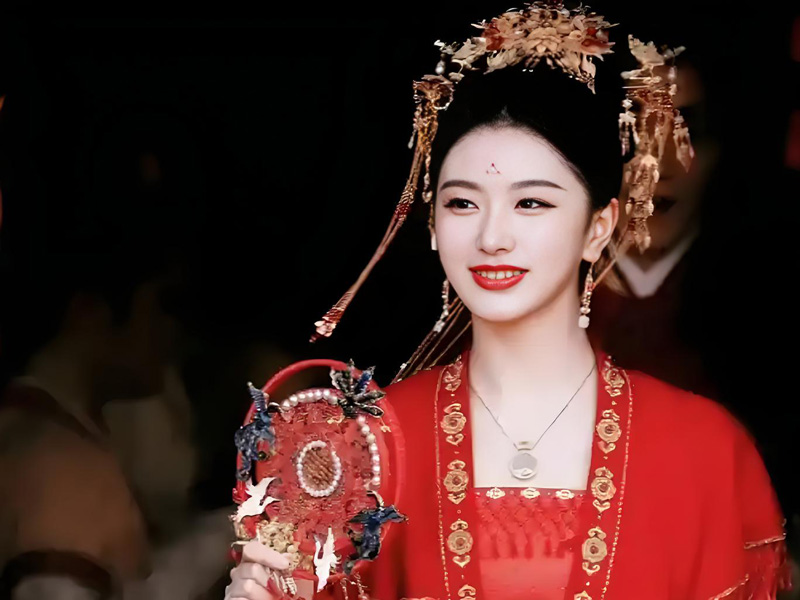
Ming Mei Shan Qu centers on Shi Fake (Kong Xue’er), an exiled daughter of a prestigious imperial matchmaking family. After her parents’ wrongful imprisonment, she partners with the enigmatic mountain lord Lu Chi (Ren Hao) to restore her family’s reputation. The twist? Their matchmaking agency becomes a battleground for thwarting the rebel Marquis Wu’an’s conspiracy to control noble marriages and usurp the throne.
Unlike conventional palace dramas, power struggles here unfold through marital alliances. The premiere jolts viewers with Shi Fake’s (施伐柯) coming-of-age ceremony, shattered by her mother’s arrest—orchestrated by the Marquis to replace the “First Matchmaker” with his puppet. This marriage-manipulation tactic injects freshness into political scheming, where every arranged union is a calculated move in a deadly game.
Emperor secretly tasks Lu Chi (陆池) to sabotage the Marquis’ plans, turning Shi Fake’s matchmaking missions into covert operations. Their agency’s facade masks a thrilling resistance campaign, blending humor with high stakes as they dismantle the Marquis’ web of alliances.
Subverting Romance Tropes
The romance defies cliches: Lu Chi recognizes Shi Fake in Episode 2 as the girl who saved him years earlier, flipping the “hero rescues heroine” script. Their childhood bond—complete with a secret marriage pact—accelerates their connection, bypassing the usual prolonged amnesia or misidentification subplots that plague historical romances.
Lu Chi’s unwavering devotion manifests through subtle glances and protective schemes. Ren Hao’s performance conveys longing without melodrama, portraying a “knight” who shields Shi Fake while she fearlessly rebuilds her career. Their chemistry thrives in witty banter during matchmaking escapades, balancing sweetness with agency.
The plot avoids contrived separation drama. United early against the Marquis, their partnership evolves naturally into love—fueled by mutual respect and shared purpose. This maturity distinguishes it from rivals clinging to manufactured angst.
Fresh Faces Elevating Familiar Genres
Kong Xue’er (孔雪儿) shines as Shi Fake, radiating infectious optimism. Her expressive eyes convey resilience—whether holding back tears during her mother’s arrest or rallying clients with sunny determination. This role cements her as a rising star in period dramas, following notable turns in The Double (墨雨云间).
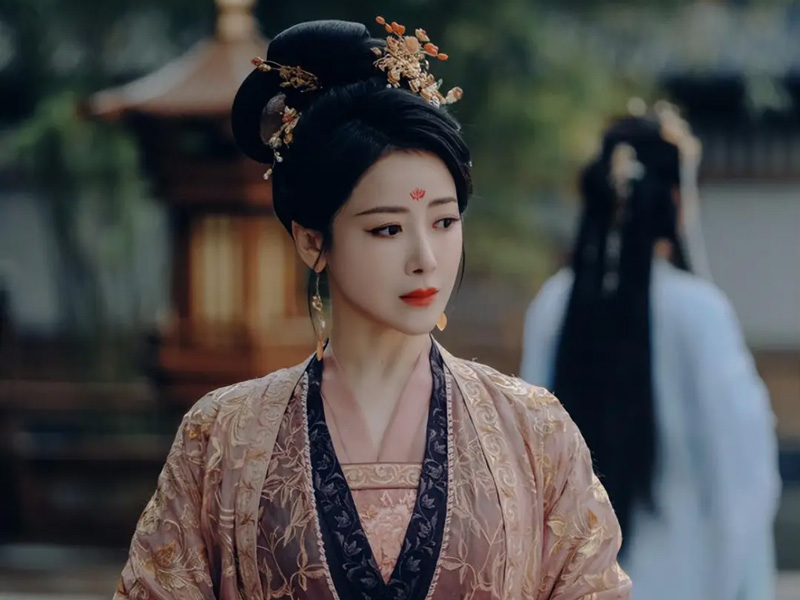
Ren Hao (任豪) balances Lu Chi’s sharp intellect with tender restraint. His playful smiles when teasing Shi Fake contrast with icy resolve against antagonists, showcasing impressive range. Supporting veterans amplifies the drama: Yang Mingna’s (杨明娜) regal poise as Shi’s mother exudes authority even in captivity, while Chen Zihan’s (陈紫函) steals scenes as a comically timid matchmaker bullied by spoiled nobles.
The cast’s cohesion elevates the material. Yao Zhuojun’s (姚卓君) heartrending portrayal of Shi’s grieving father and Hu Dandan’s (胡丹丹) cameos create a vibrant tapestry. Their collective effort makes Ming Mei Shan Qu feel both fresh and familiar—a testament to chemistry trumping star power.
Breaking the Mold
Ming Mei Shan Qu revitalizes the stagnant costume drama landscape by merging workplace comedy with political thriller. Its matchmaking framework offers satire while driving the plot. Shi Fake’s entrepreneurial spirit modernizes her character beyond typical “revenge-seeking” heroines.
The series sidesteps bloated episodes by prioritizing pacing. Key revelations—like Lu Chi’s identity—unfold early, freeing narrative space for intricate schemes against the Marquis. This efficiency respects viewers’ time, a rarity in 40+ episode sagas.
While avoiding A-list stars, the drama invests in coherent storytelling and nuanced acting. Its success signals audience appetite for innovation over formula—proving that clever premises and heartfelt execution can outshine billion-dollar productions.