
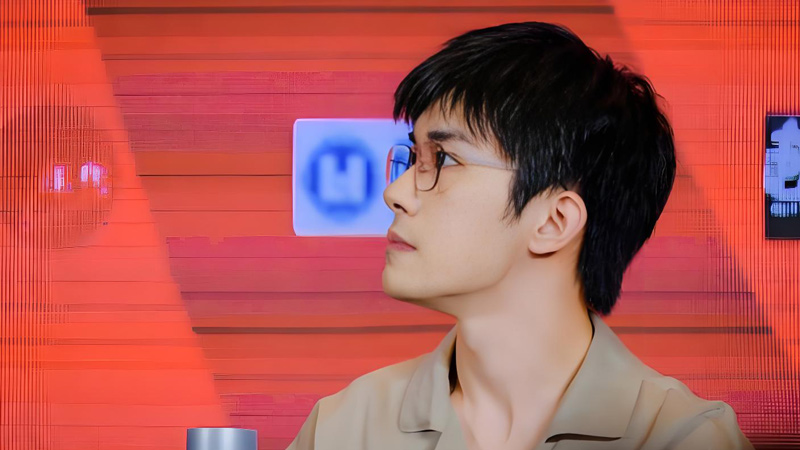
When the FIRST International Film Festival unveiled its jury roster, the inclusion of 22-year-old Yi Yangqianxi (易烊千玺) sent ripples through China’s film industry. His transition from teen idol to legitimate cinematic voice culminates in this pivotal role—a testament to nine years of deliberate reinvention. As the youngest juror alongside auteurs like Chen Kaige (陈凯歌) and Zhou Xun (周迅), Yi now occupies a space reserved for those who speak film’s nuanced language.
Where Artistry Overrides Algorithms
Founded in 2006, the FIRST Youth Film Festival thrives as China’s counterbalance to commercial cinema. It rejects box-office metrics and celebrity economics, instead spotlighting raw, auteur-driven narratives. Previous jurors—from arthouse pioneer Wang Xiaoshuai (王小帅) to the late Tibetan director Pema Tseden—shared a common thread: uncompromising dedication to cinematic craft.
Yi’s selection, therefore, defies convention. Festival organizers emphasized his “acute narrative intuition and mastery of visual grammar,” referencing his ability to dissect scripts beyond surface-level performance. His role signals FIRST’s commitment to judging films through an artistic lens, untouched by industry politics or fleeting trends.
The festival’s statement further noted Yi’s “transformative physicality” across roles—a skill honed through meticulous character immersion. This aligns with FIRST’s mission to champion filmmakers who prioritize substance over spectacle. Where mainstream cinema often trades depth for profit, FIRST remains a sanctuary for stories that challenge and provoke.
Anatomy of a Transformation
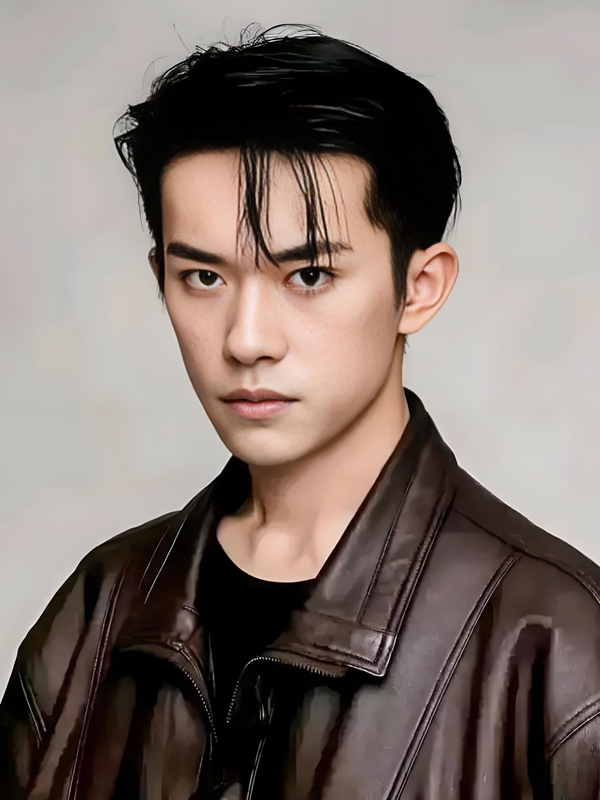
Yi’s evolution began with 2019’s Better Days (少年的你), where he shed his polished idol persona to become Xiao Bei (小北), a street-toughened outcast. He trained in combat sports, darkened his skin, and inhabited the character’s fractured vulnerability—a performance that earned him Hong Kong Film Award recognition. Director Derek Tsang noted, “He didn’t act; he unlearned himself.”
The intensity extended beyond physical transformation. Yi conveyed Xiao Bei’s emotional turmoil through micro-expressions—a flicker of resentment in narrowed eyes, tension coiled in his shoulders during confrontations. This nuanced approach demonstrated an instinctive grasp of cinematic storytelling, moving beyond dialogue to harness the power of silence and gesture. His performance didn’t just play a character; it mapped an entire social stratum’s desperation.
Subsequent roles revealed his chameleonic range. In A Little Red Flower (送你一朵小红花), Yi played cancer patient Wei Yihang (韦一航), conveying despair through micro-gestures—slumped shoulders, hesitant eye contact—eschewing melodrama. His turn in The Battle at Lake Changjin (长津湖) required physical rigor: as soldier Wu Wanli (伍万里), he depicted wartime trauma via labored breathing and a stiffening gait, charting the boy’s journey into battle-hardened maturity.
Redefining "Idol" in Chinese Cinema
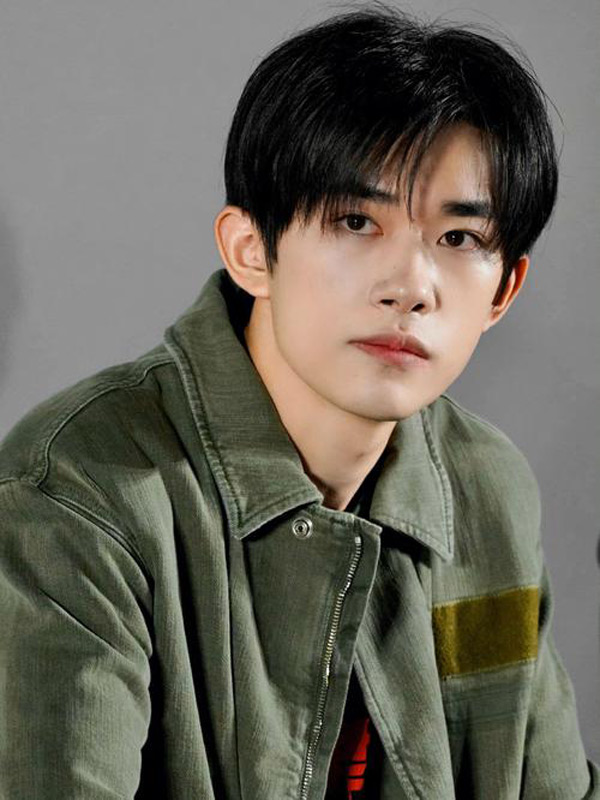
Yi’s path mirrors a broader cultural shift. As Chinese audiences grow weary of formulaic idol dramas, actors embracing complex, unglamorous roles gain critical traction. His filmography deliberately avoids safe choices: The Longest Day in Chang’an (长安十二时辰) dominate his post-2020 work.
This curation reflects strategic discipline. Unlike peers capitalizing on celebrity endorsements, Yi spent lockdowns studying screenwriting and editing. Director Frant Gwo recalled him “asking about lens choices between takes—most young actors don’t grasp that technical layer.”
His FIRST jury position, therefore, symbolizes an industry reckoning. As streaming platforms flood markets with idol-centric content, Yi’s ascent proves that rigorous craft still commands respect. The festival’s endorsement isn’t merely personal—it’s a manifesto for artistic integrity in an era of algorithmic entertainment.
Yi Yangqianxi’s metamorphosis lit stages to deliberating in darkened screening rooms—epitomizes cinema’s enduring power to transmute perception. His presence on FIRST’s jury isn’t a coronation; it’s a beacon for a new generation of Chinese storytellers. As the curtain rises on this year’s festival, one truth resonates: true artistry lies not in shedding labels, but in outgrowing them.
