
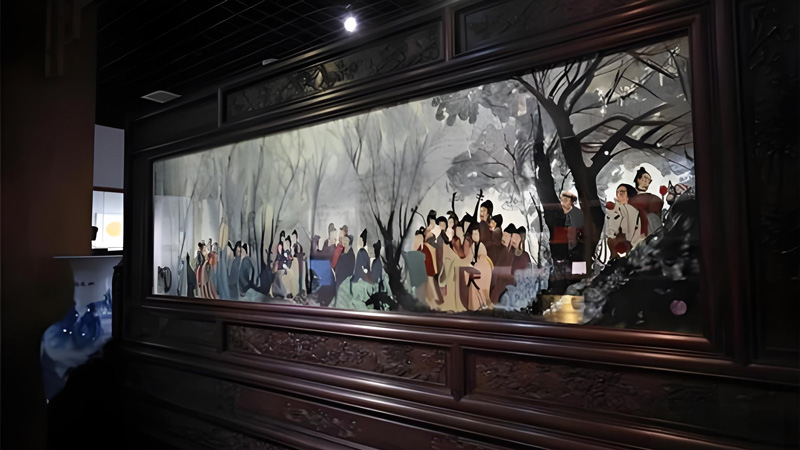
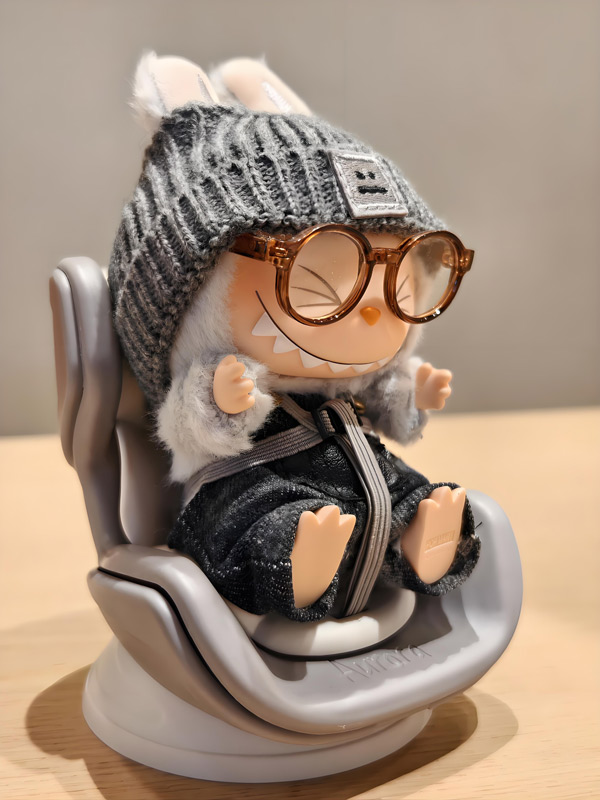
In a workshop in Jiangxi, Wu Wanjing (吴婉菁) places a piece of ramie fabric embroidered with blue-and-white porcelain patterns onto a LABUBU doll. This moment captures more than a craftsperson at work; it embodies a deliberate conversation between millennium-old heritage and global pop culture. Xiabu embroidery, rooted in the unique texture of handwoven ramie cloth (often called "China Grass"), thrives not through rigid preservation, but through dynamic reinvention.
Once adorning baby bonnets and household items carrying familial blessings, its distinct "transparent stitching" technique, mimicking the flow of ink wash paintings, now finds unexpected canvases. Museums safeguard its history, while designers and students actively reinterpret its language for contemporary eyes and wardrobes, proving this resilient textile art is far from frozen in time.
Fabric with Character
Ramie cloth possesses an inherent, irregular texture formed by its handwoven warp and weft threads. Each piece is genuinely unique, bearing subtle variations from the artisan's touch. This distinctive surface posed a significant creative challenge: traditional dense embroidery methods would completely obscure the cloth's natural beauty and tactile quality. Preservation demanded innovation. The solution emerged in the form of the "transparent void stitch," a technique specifically developed for Xiabu embroidery. This method allows silk threads to interact with the ramie's open weave, creating breathing room between stitch and substrate.
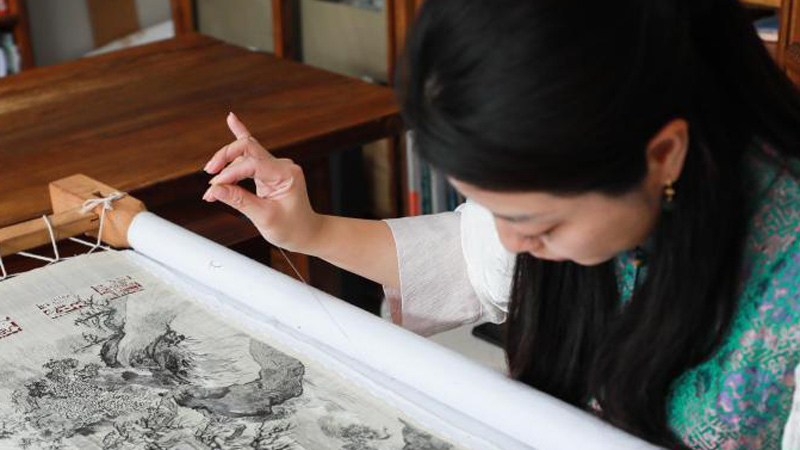
Master Zhang Xiaohong (张小红) dedicated years to refining methods that respect the ramie’s natural state while making it receptive to needlework. Achieving this balance requires deep sensitivity to the material. Embroiderers must carefully judge thread thickness, needle angle, and hand pressure for each unique section of cloth. Skill lies not in dominating the material, but in responsive collaboration with its inherent qualities. This intimate understanding transforms potential limitations – the fabric’s coarse reputation – into its defining artistic strength.
Stitching New Dialogues
The encounter between Xiabu embroidery and the wildly popular LABUBU doll series ignited a spark. Wu Wanjing saw beyond the ancient textile’s traditional applications. Applying meticulously embroidered ramie pieces onto the smooth, synthetic surface of the dolls created a striking visual and tactile juxtaposition. This was not mere decoration; it initiated a tangible dialogue across centuries. The dolls, symbols of contemporary collectible culture, became unexpected vessels carrying intricate motifs once reserved for family heirlooms.
This fusion resonated powerfully. The familiar form of the LABUBU doll provided immediate accessibility, drawing attention to the intricate craftsmanship adorning it. Viewers encountered the subtlety of Xiabu’s ink-wash aesthetic through a modern lens. The project demonstrated that heritage thrives not in isolation, but through relevant connection. Placing embroidered ramie onto a globally recognized figure like LABUBU transformed the craft from a distant artifact into an engaging contemporary statement.
Fashion Reimagined
Academic institutions like Jiangxi Tourism and Commerce College actively explore Xiabu embroidery's potential within modern apparel design. Wang Mingyu, leading the Cultural Creative Design program, champions integrating the craft into functional clothing. Students experiment boldly, moving beyond traditional motifs. They translate Xiabu’s essence – its texture, stitch techniques, and color palettes – into modern silhouettes, including tailored suits, dresses, and accessories.
The coarse, earthy texture of ramie provides a compelling counterpoint to sharp, contemporary tailoring lines. This combination generates a unique aesthetic tension Wang Mingyu (王明昱) describes as "serenity meeting edge." Students like Zheng Tingting (郑婷婷) find inspiration not just in the technique, but in the textile’s inherent contrasts and the challenge of merging its organic feel with structured design. The focus shifts from replication to reinterpretation, proving Xiabu’s principles are adaptable to diverse garment forms and functions.
Wu Wanjing views the museum's collection of historic Xiabu pieces – baby carriers, collars, and caps – not as relics, but as active sources of inspiration. Each object holds cultural narratives and blessings woven by ancestors. Her mission is to ensure these narratives continue evolving. Integrating Xiabu into fashion and pop culture collaborations is a strategy for cultural continuity, making ancient symbols resonate with new generations.
This evolution fosters a deeper sense of cultural identity. Seeing traditional patterns or techniques reinterpreted on a modern garment or accessory creates a powerful link between past and present. Wang Mingyu emphasizes that Xiabu embroidery offers more than visual appeal; it provides a "regenerated design language." When its patterns and textures are thoughtfully adapted, they evoke not just beauty, but a shared cultural connection and contemporary relevance. The craft’s vitality lies in its ongoing conversation with the present.
