These animated treasures transport children into worlds painted with the brushstrokes of Chinese tradition. Far from simple cartoons, they are masterclasses in visual poetry – where ink-wash landscapes breathe, paper-cut figures dance, and ancient philosophies unfold through gentle allegories. Each frame honors millennia of artistry, offering young viewers not just entertainment, but an introduction to the soulful rhythm of Chinese storytelling. They capture universal emotions through narratives uniquely woven with silk threads of cultural heritage.
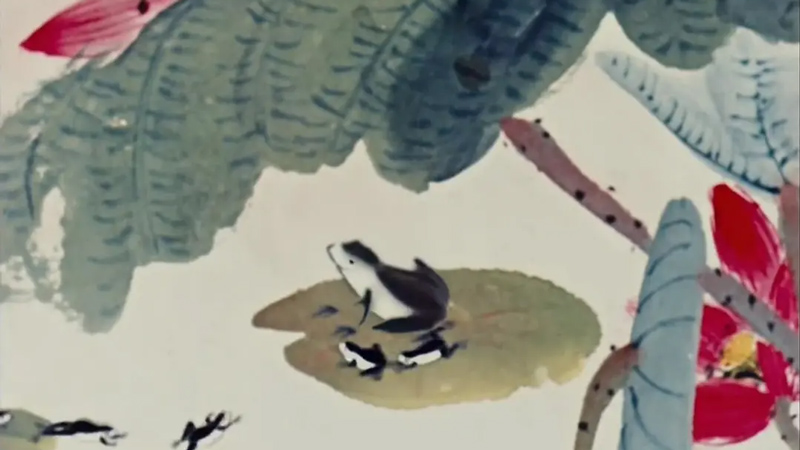
1. Little Tadpoles (小蝌蚪找妈妈)
Little Tadpoles Looking for Mama transforms a simple childhood tale into a visual haiku. Against serene ink-wash backgrounds, the determined tadpoles shimmer with life. Their journey—mistaking a goldfish’s graceful tail for their mother, puzzling over a crab’s claws—unfolds with rhythmic repetition perfect for small ears. The absence of garish colors focuses attention on elegant movement: the flick of a fin, the ripple of pond weeds. It’s less a cartoon, more a living painting where simplicity becomes profound beauty, teaching patience and observation through its hushed artistry.
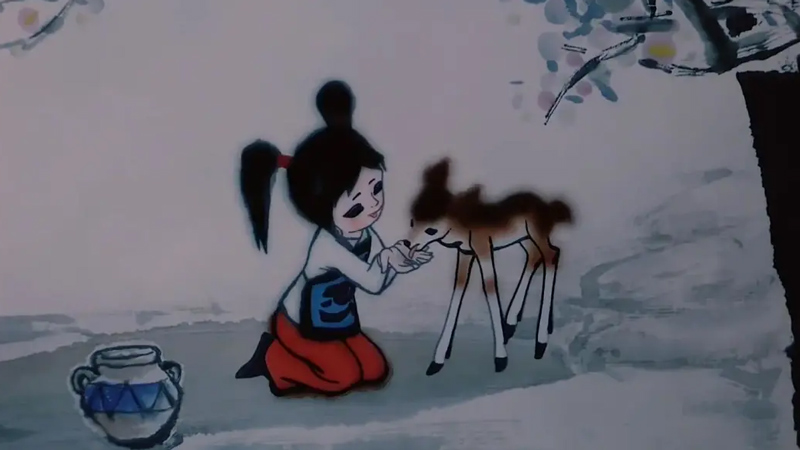
2. The Deer Bell (鹿铃)
The Deer Bell speaks volumes without a single spoken word. A rescued fawn bonds with a village girl, their connection symbolized by a delicate bell. The animation captures misty mountain forests and bustling rural markets with lyrical detail. Children see a herbalist’s tools, traditional clothing, and the quiet rhythms of pastoral life. The gentle narrative of care and eventual letting go resonates deeply, its emotional power conveyed through expressive animation and a poignant, flute-laden score. It’s a tender lesson in compassion and the bittersweet beauty of loving something enough to set it free.
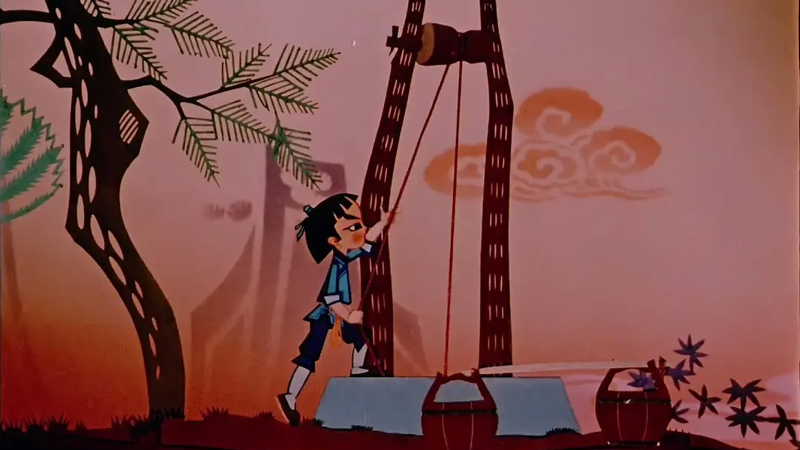
3. Little Ginseng Boy (人参娃娃)
Little Ginseng Boy bursts with the vibrant energy of Chinese paper-cutting. Its hero, a young laborer suffering under a cruel landlord, finds hope in a magical root-child. Little Ginseng Boy, embodying the plump, joyous Fu Wa (lucky child) of tradition, uses his powers to outwit greed. Sharp angles and bold colors define characters, echoing folk art pasted on windows during festivals. This distinctly Chinese "Cinderella" story replaces fairy godmothers with mountain spirits, rooting justice and wonder firmly in the soil of local legend, celebrating resilience and cleverness.
4. The Fox and the Grapes (狐狸送葡萄)
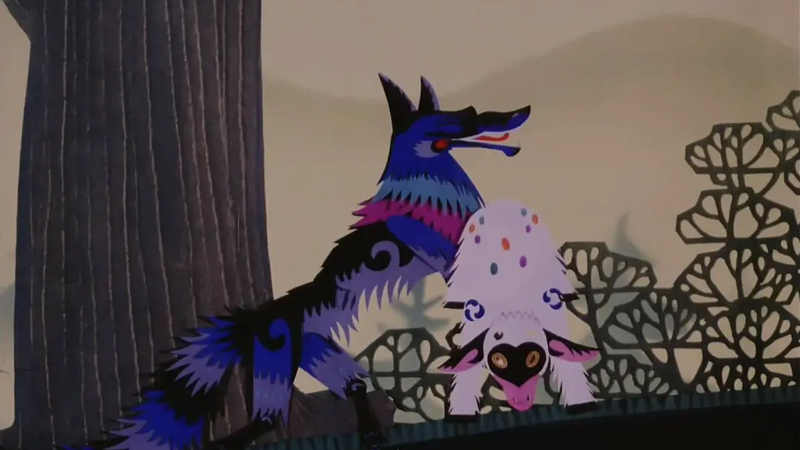
The Fox and the Grapes folds like a moving shadow puppet play. An elderly couple’s greed makes them easy prey for a sly fox, a wolf, and a boar. The animation’s flat perspective, intricate cut-out designs, and theatrical entrances/exits directly reference traditional piyingxi (shadow theatre). Even the music employs clappers and traditional strings. Watching the couple lured by false gifts—grapes, a sheepskin, promises of labor—becomes a visually striking cautionary tale about the perils of avarice and gullibility, rendered in captivating folk-art style.
5. Nine-Colors Deer (九色鹿)
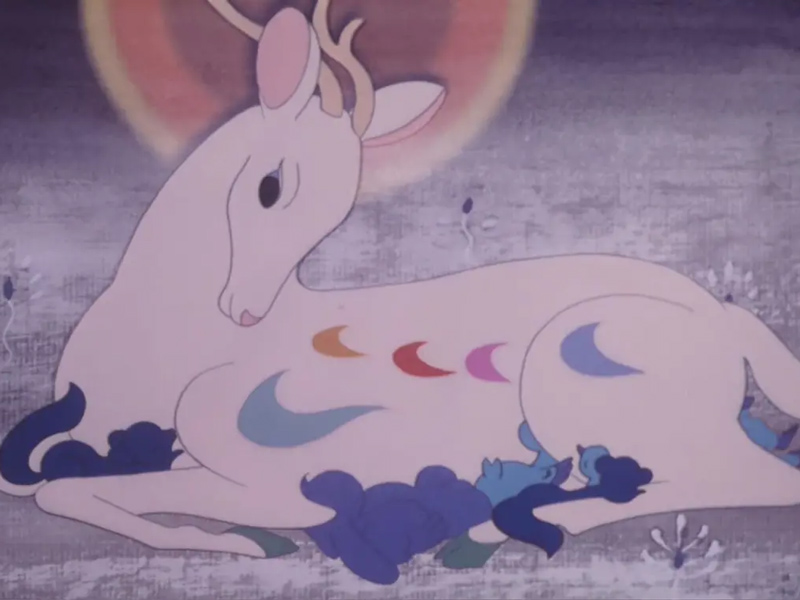
Nine-Colors Deer shimmers with the golds, ochres, and deep blues of Dunhuang’s Buddhist cave paintings. Based on the Jataka tale from the Mogao Grottoes, it tells of a divine deer betrayed by a human he saved. The backgrounds evoke sacred frescoes, while the deer’s flowing form embodies spiritual grace. The story’s moral weight—the ugliness of betrayal contrasted with the deer’s enduring mercy—is amplified by its majestic visual style. It’s an awe-inspiring introduction to Buddhist ethics and China’s artistic legacy, where beauty serves profound truth.
6. The Snow Child (雪孩子)
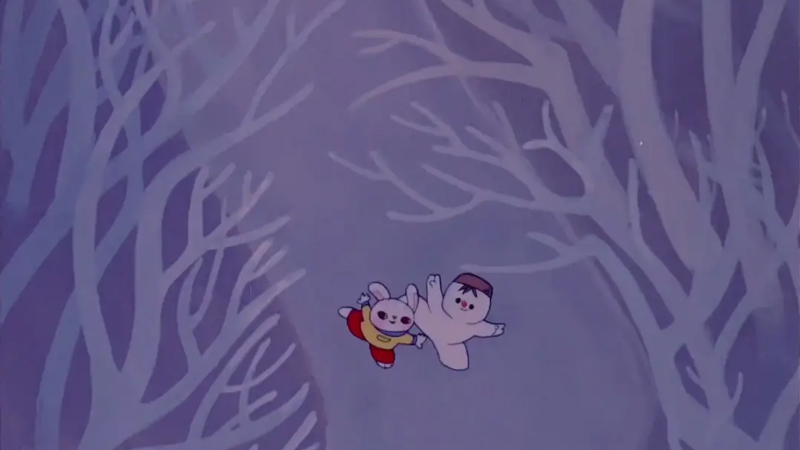
The Snow Child turns a simple winter’s day into an unforgettable emotional journey. A snowman magically comes to life to befriend a little rabbit. Their playful ice-skating, depicted with balletic fluidity, radiates pure joy. The devastating turn—the Snow Kid melting while rescuing his friend from a fire—is handled with profound gentleness. Soft watercolor backgrounds enhance the dreamlike quality. It doesn’t shy from sorrow, but transforms it into a poignant meditation on sacrifice, the cycle of life, and love’s enduring warmth, leaving not despair, but a deep, comforting ache.
7. The Monkeys Fish for the Moon (猴子捞月)
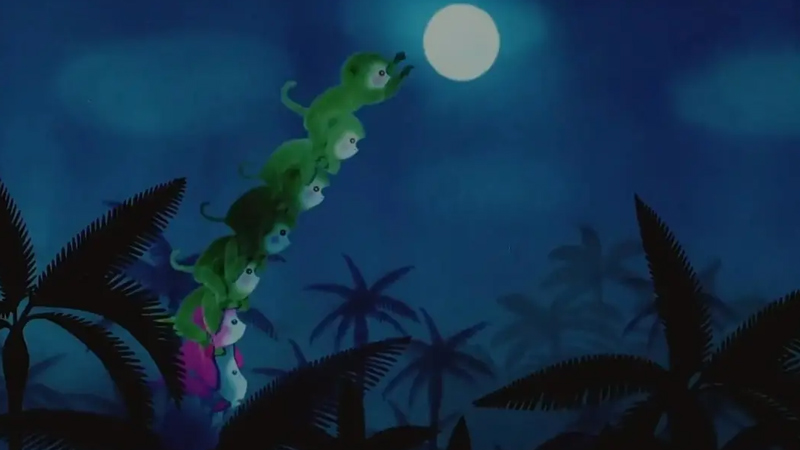
The Monkeys Fish for the Moon turns folly into visual delight. A troop of monkeys, bathed in ethereal moonlight, becomes obsessed with capturing the moon’s reflection in a well. Their acrobatic attempts—forming towers, hanging precariously from branches—are rendered in a kaleidoscope of jewel tones against a deep indigo night. The inevitable failure, as the water spills and the moon shatters, isn’t tragic but whimsical. This playful short celebrates curiosity while gently mocking impossible dreams, all wrapped in stunningly vibrant, almost psychedelic, artistry.
These films prove animation is a universal language, yet their soul is undeniably Chinese. They invite children into a world where rabbits skate with snowmen, benevolent deer walk like temple frescoes come alive, and wisdom is imparted through the snip of paper scissors or the delicate stroke of an ink brush. They are heirlooms of imagination, passed down not through words alone, but through the enduring magic of moving art.