-
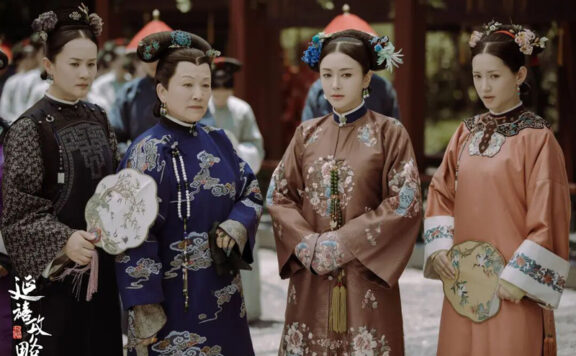
What Made the Event the Ultimate Symbol of Grace?
In popular Qing dynasty court dramas like Story of Yanxi Palace (延禧攻略) and Ruyi’s Royal Love in the Palace (如懿传), a familiar scene often captures the viewer’s eye: a woman walks with measured steps, her robe gently lifted by the wind, revealing a delicate ornament swaying gracefully at her chest. The subtle chime of jade and the rhythmic movement of silk threads—this was not merely decoration, but the essence of classical elegance. This ornament, known as Ya Jin (压襟), was much more than a simple accessory. It was a statement of poise, a functional tool, and a vessel for cultural ideals, typically fastened to the second button on the right side of a woman’s robe. As her garment moved forward, the ornament shifted back; as the robe settled, it returned to its place—an eternal dance between movement and stillness that embodied a quiet, enduring beauty. The Origin of an “Event” Despite its modern name, Ya Jin was historically referred to by a far more intriguing term: Shi Jian (事件), which translates to “event” or “affair.” This name hints at the accessory’s multifaceted role in daily life. It first appeared during the Tang dynasty, a period celebrated for its opulent fashion…- 198
- 0
Ruyi’s Royal Love in the Palace

Scan to open current page
-
$CouponsLimitation of use:Expired and UnavailableLimitation of use:
before
Limitation of use:Permanently validCoupon ID:×Available for the following products: Available for the following products categories: Unrestricted use:Available for all products and product types