
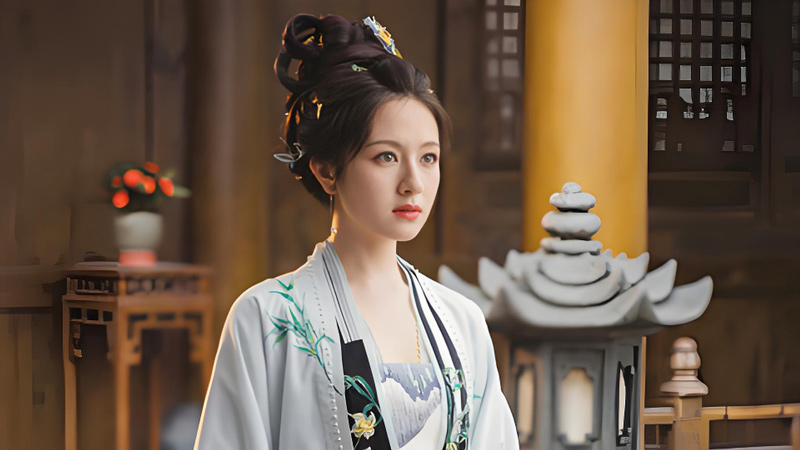
In an era saturated with formulaic fantasy romance series, Coroner’s Diary (朝雪录) emerges as a deliberate homage to early 2000s period dramas. Premiering in 2025, this understated gem captivates audiences precisely by rejecting contemporary tropes. Instead of flamboyant costumes and melodramatic conflicts, it offers meticulously crafted characters and grounded storytelling. Lead actress Li Landi (李兰迪) embodies this philosophy with her classically resonant beauty—her rounded features and refined makeup echoing an era before influencer aesthetics dominated screens. The drama’s deliberate pacing and emphasis on professional competence over romantic theatrics signal a refreshing return to narrative substance.
Grounded Character Portrayals
Li Landi’s Qin Jiu (秦九) redefines the female protagonist archetype. As a forensic examiner, she navigates imperial bureaucracy with quiet authority, her medical expertise and analytical mind driving investigations. Unlike many peers, she avoids comic relief or exaggerated naivety. Co-lead Yan Chi complements her perfectly—a nobleman whose strategic acumen matches her intellect. Their dynamic thrives on mutual respect, not manufactured tension. Even minor figures like Qin’s sister-in-law or courtesan Lü Xiu (绿袖) reveal nuanced motivations. Each character, however brief their screen time, operates with coherent internal logic rather than serving as plot devices.
The drama’s realism extends to relationships. Qin Jiu and Yan Chi’s (燕迟) romance evolves organically from professional admiration. Misunderstandings resolve through dialogue, not protracted melodrama. A pivotal jail cell scene showcases their emotional maturity: facing false accusations, they strategize calmly rather than succumbing to hysterics. This restraint extends to social commentary. When Qin Jiu advises a desperate woman, "All females should treasure themselves—never beg for male validation," the line lands with quiet power, avoiding didacticism. Yan Chi’s assertion that "women deserve scholarly respect, not patronizing protection" further cements the series’ progressive ethos.
Structured Narrative Precision
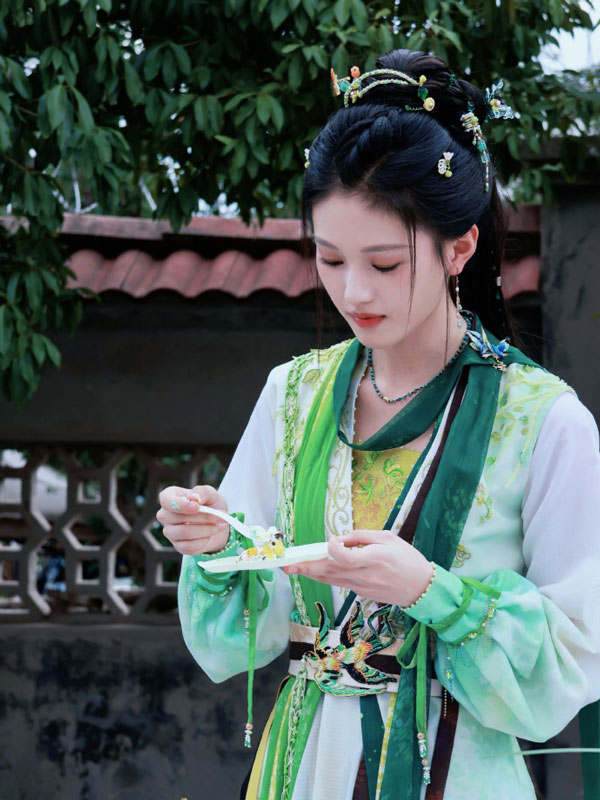
Coroner’s Diary masterfully balances episodic crime-solving with serialized character arcs. The "Headless Bride" case exposes societal rot: an official’s son murders his lover to climb the ranks. Case two, "A Daughter’s Vengeance," explores filial duty through Cai He (采荷), who weaponizes a nobleman’s affection to avenge her mother. Her chilling rebuke—"Why question motives between enemies?"—resonates long after the credits roll. Each 5-6 episode mystery serves as a morality play dissecting power, gender, and sacrifice.
Forensic scenes anchor the drama’s authenticity. Qin Jiu’s meticulous autopsies—examining soil traces under fingernails or analyzing blade angles—drive revelations. depicts her scrutinizing a victim’s neck wound, sunlight filtering through the morgue’s lattice windows. These sequences avoid graphic sensationalism, focusing instead on deductive rigor. When Qin Jiu declares, "A coroner must see only the evidence upon the body—status changes nothing," the line underscores her commitment to truth beyond class prejudice.

Subdued Emotional Resonance
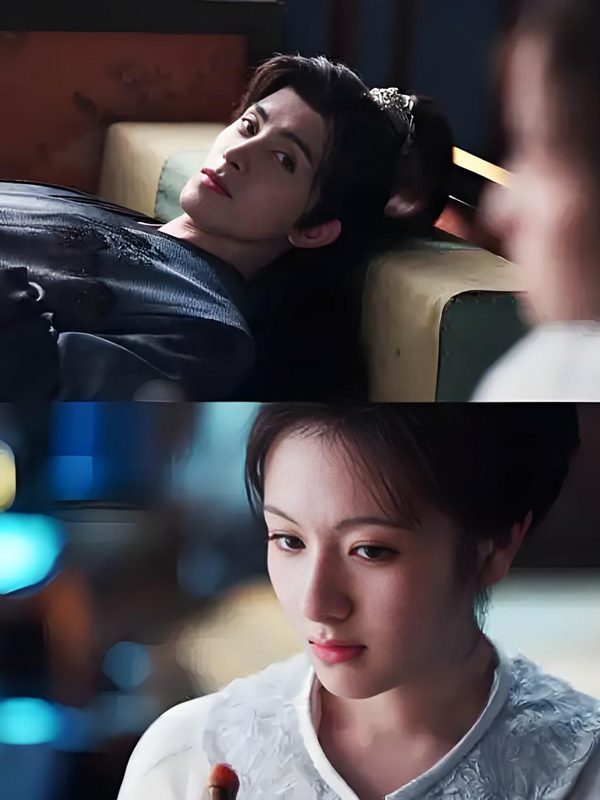
Where many contemporaries amplify romantic tension through grand gestures, Coroner’s Diary finds potency in restraint. Qin Jiu and Yan Chi’s attraction unfolds through shared glances during investigations or subtle gestures—a handed teacup, a shielded walk in the rain. Their most charged moment occurs not in a lover’s embrace, but while collaboratively analyzing a blood-spattered scroll. The series trusts audiences to infer feelings from layered performances rather than exposition.
This subtlety occasionally falters. A mass grave discovery scene veers toward melodrama when Qin Jiu weeps openly, momentarily breaking her composed demeanor. A more effective approach surfaces earlier when she processes grief by silently realigning ritual vessels at a crime scene. Nevertheless, such missteps remain exceptions. Supporting characters like Cai He embody tragic elegance; her final confrontation with the nobleman she betrayed conveys devastation through stillness and a trembling voice. captures this perfectly: poised in moonlight, her expression blending resolve and sorrow.
Quiet Revolution
Coroner’s Diary succeeds not by reinventing the genre but by perfecting its timeless elements. Its "normalcy"—rooted in character integrity and narrative coherence—feels revolutionary amidst a landscape of chaotic plot twists and emotional excess. Li Landi’s Qin Jiu stands as a landmark role: a woman whose authority stems from competence, not quirkiness.
In championing professionalism, gender equality, and emotional maturity, this drama resurrects the soul of classic period storytelling. Its deliberate pace and lack of artificial sweeteners may challenge modern attention spans, but for viewers craving substance, it’s nothing short of a revelation.