
From June 19 to 24, the vibrant city of Kunming transformed into a global fashion hub as the Nambo Fashion Week took center stage at the Dianchi International Convention and Exhibition Center. This event, an upgraded iteration of the Chuxiong Fashion Week, served as a key highlight of the 9th China-South Asia Expo, drawing over 25 mesmerizing showcases of intangible cultural heritage attire. With a staggering 1,100 media reports and an exposure of 1.62 billion views, it captivated audiences worldwide, blending ancient traditions with contemporary flair. The week-long celebration spotlighted Yi embroidery - a centuries-old craft from China's Yunnan Province - as a symbol of unity, where diverse cultures converged to weave a narrative of shared beauty and innovation. As the curtains rose, it wasn't just about clothing; it was a testament to how fashion can foster cross-border harmony and drive cultural evolution in our interconnected world.
Cultural Fusion on Display
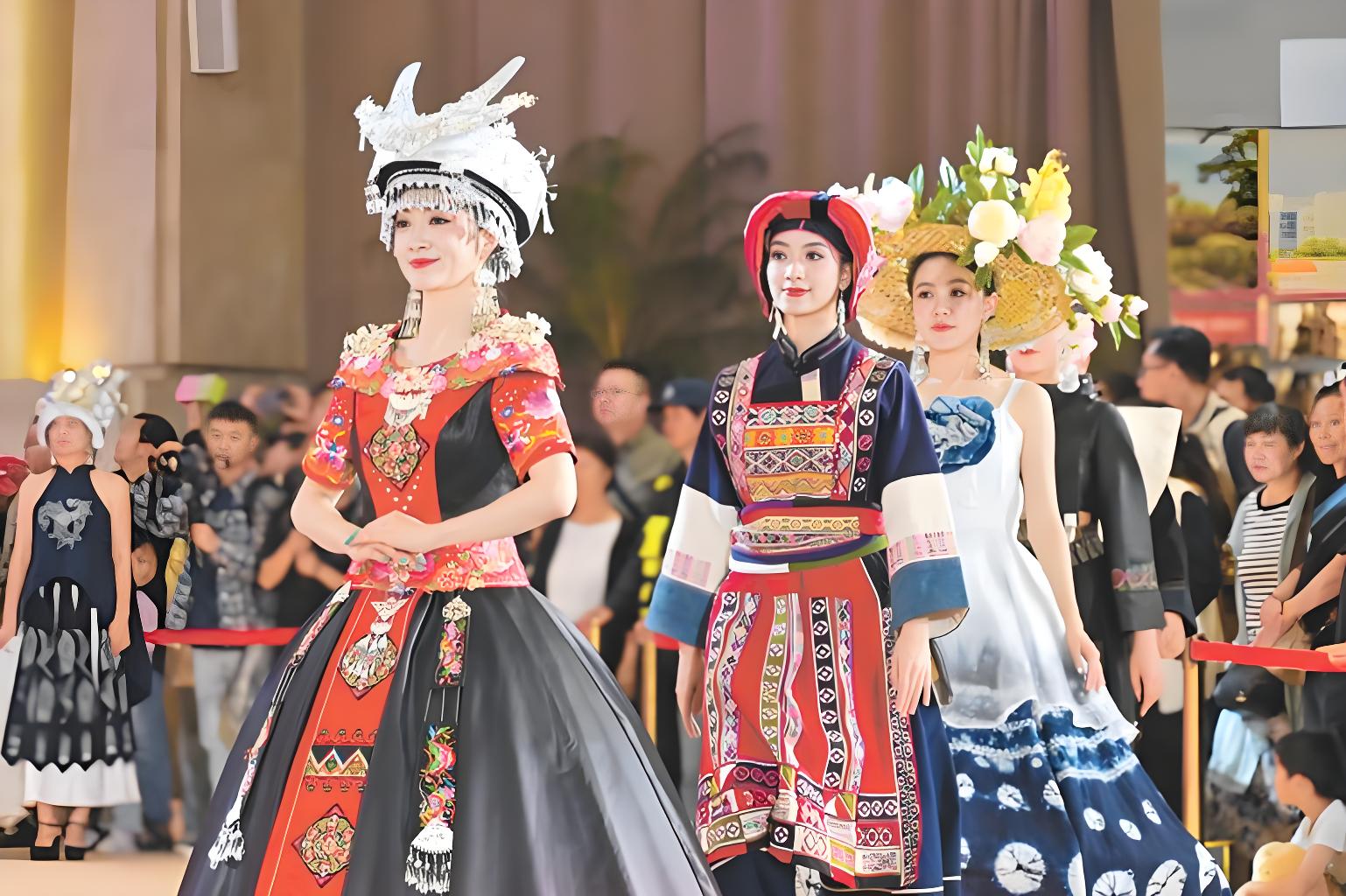
The runway came alive with a kaleidoscope of ethnic ensembles, each telling a unique story of heritage. Yi costumes, adorned with intricate patterns and bold colors, shared the spotlight with graceful Bouyei garments from Guizhou and elegant saris from South Asia. In one standout show, models glided to rhythmic beats, showcasing how Yi embroidery - once confined to rural festivals - now resonates on international catwalks. Designer Li Ruiyin (李蕊吟), representing Wuding's ethnic craft workshop, expressed her pride: "This platform amplifies our Yi culture globally, turning local artistry into a universal language."
Audiences were spellbound, as seen in the reactions of attendees like Vietnamese student Nguyen Thi Hong Ngoc, who borrowed a Yi dress for photos, and local resident Zhang Hong, who returned for multiple shows, enchanted by the "fashionable revival of tradition." The event underscored the power of clothing as a cultural bridge, with each piece reflecting centuries of craftsmanship and identity.
This segment culminated in the largest-ever intangible heritage fashion parade in China, featuring troupes from Sri Lanka, Vietnam, Cambodia, and beyond. It highlighted the seamless blend of old and new, where motifs passed down through generations met modern aesthetics, proving that cultural roots can thrive in today's fast-paced world.
Global Reach and Partnerships
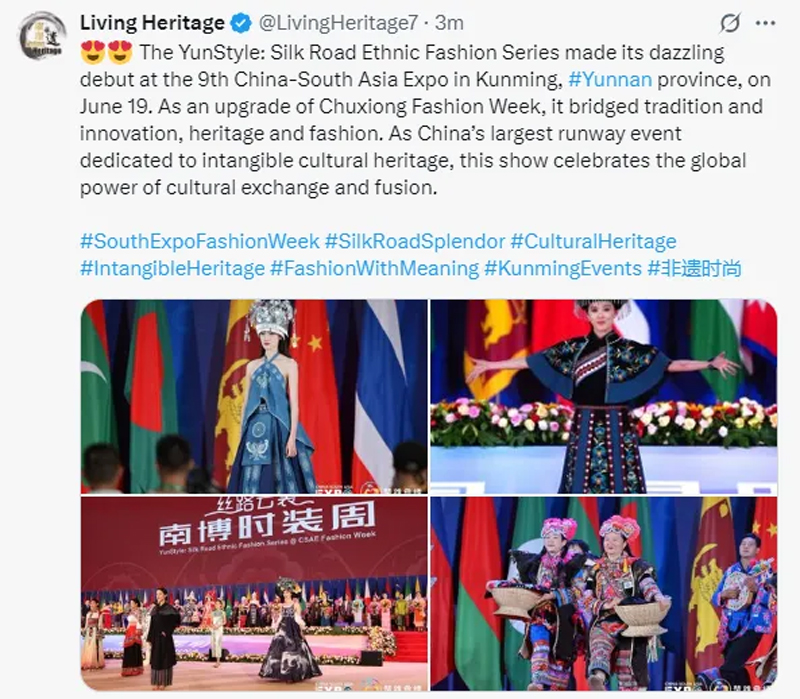
Nambo Fashion Week shattered boundaries through strategic media and international alliances. A multi-tiered reporting framework, spanning central to county levels, partnered with giants like China Central Television and global platforms, ensuring live broadcasts reached millions. Bilingual promotional films went viral, reposted by 27 overseas outlets, while AI-generated content sparked viral trends on Douyin and Weibo, with hashtags like #NamboFashionWeek hitting 27 million views.
Collaborations extended to fashion capitals, with agreements signed between Thailand, the Czech Republic, and icons like Milan Fashion Week. Liu Chang, leader of Guizhou's Bouyei delegation, remarked, "This is a golden chance to showcase our ethnic styles internationally." The launch of the 2025 International Design Competition further cemented ties, fostering a "design-production-trade" ecosystem that promises sustained cultural exchange.
Overseas exposure soared to 600 million views, with features in U.S. and European media, demonstrating how Nambo became a beacon for global fashion diplomacy. It wasn't just about showcasing clothes; it was about building bridges that turn regional heritage into a shared human experience.
Innovative Industry Evolution
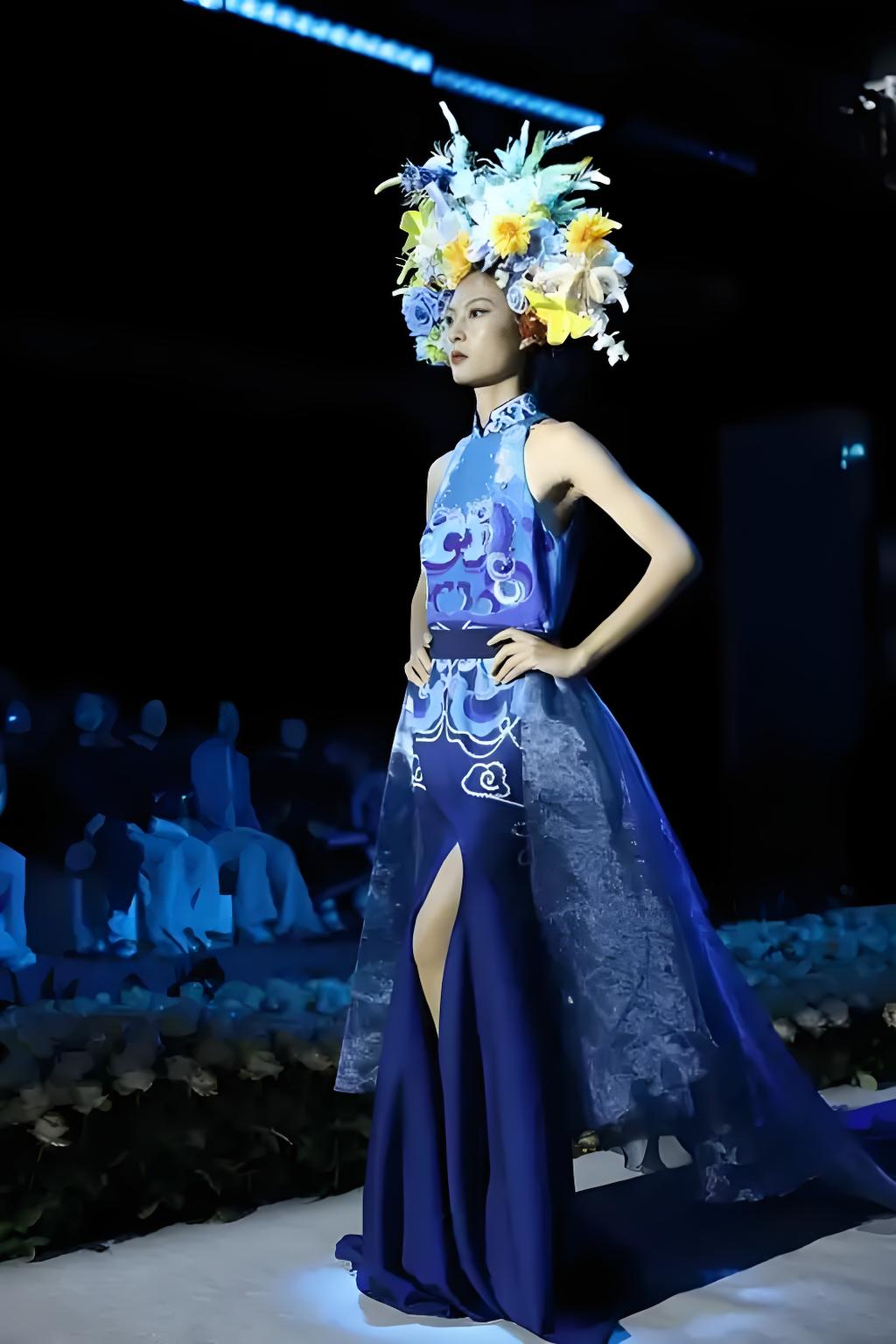
Beyond the glamour, Nambo Fashion Week pioneered digital and industrial breakthroughs, redefining how tradition meets technology. Blockchain traceability was integrated into Yi embroidery products, embedding unique IDs to track every step from design to sale. This innovation, coupled with an "Yi Embroidery International Cloud Exhibition," enabled real-time e-commerce via livestreams, merging culture with the digital economy.
Chuxiong Prefecture's robust support fueled this growth, with a network of workshops and enterprises generating a ¥1.13 billion industry. Initiatives like the Yi Embroidery Industrial College and national standards propelled it from local craft to global brand, rooted in the ancient Yongren Zhiju Costume Festival - a 1,350-year-old "living fossil" of Yi culture.
Looking ahead, events like the 2024 Chuxiong Fashion Week, which spanned Kunming to Paris, signal a bright future. By quantifying heritage value through indices, Nambo sets a blueprint for sustainable development, where creativity and commerce coexist to empower communities and inspire the world.
