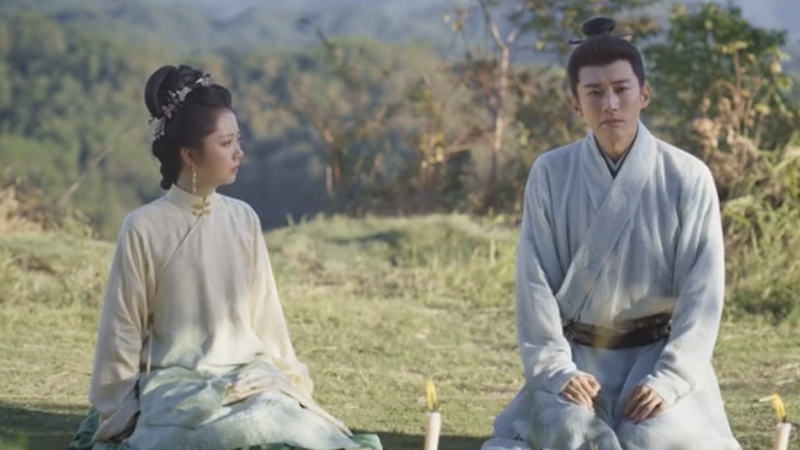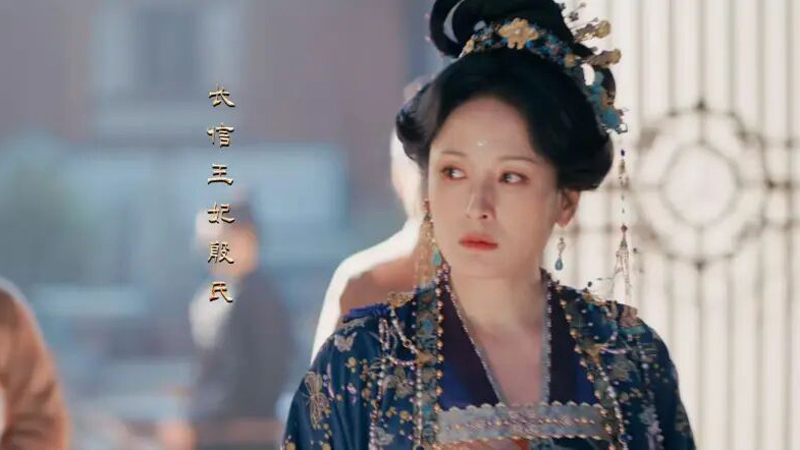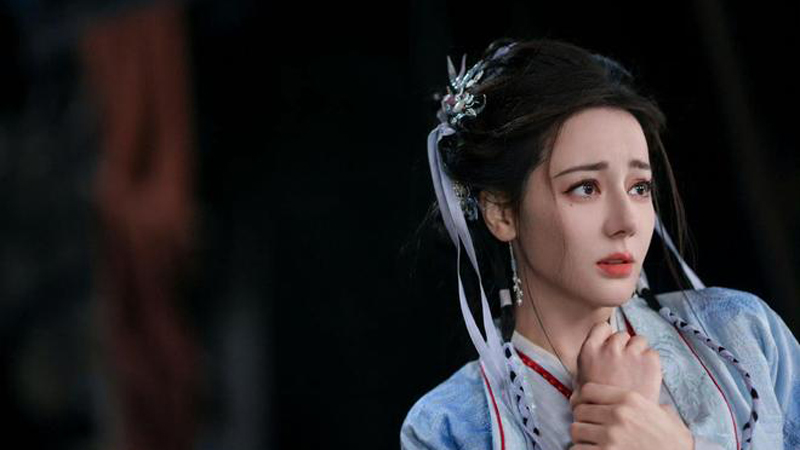
What happens when you cannot die, cannot feel a breeze, cannot taste rain, and cannot hear a single note of music? He Simu (贺思慕), the immortal protagonist of Love Beyond the Grace (白日提灯), has spent four hundred years in exactly this hollow existence. She rules as the Lord of All Spirits, but that title means nothing when your own body gives you zero feedback. No warmth from sunlight. No sting from a cut. No flutter of fear or flash of joy. Then comes Duan Xu (段胥), a mortal warrior whose sword chooses him after three centuries of silence.
Through a ritual that exchanges their five senses, she finally feels something. Not love at first sight. Not heroic rescue. Just wind, rabbit fur, and then – pain. Sharp, brutal, real pain. That moment changes everything. This article explores why a deathless being would treasure agony, how tiny sensations build meaning, and what a ghost king’s strange wisdom teaches us about being fully alive.
Pain as Proof
He Simu and Duan Xu form a bond that swaps their senses. For the first time, she feels wind brushing her skin like a curious child’s hand rubbing every surface it can reach. Soft rabbit fur makes her blink. Rain brings a tickle then a chill. But none of that compares to what comes next. During the rebellion in Fang Chang (方昌), her enemies stab her repeatedly, searching for weakness. Her healing power fails. Her immortality offers no escape. Each blade sinks in – real, deep, electric. A normal person would scream or flee. She does neither. She leans into the steel.
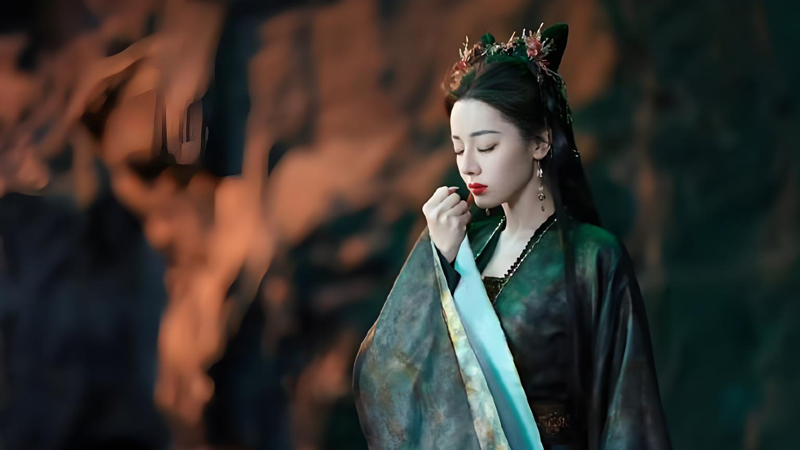
Why would anyone welcome torture? Because for four centuries, He Simu has never truly occupied her own body. She moved, fought, ruled, but without any sensory anchor. Pain becomes her first proof of presence. Not as an immortal queen. Not as an invincible monster. As a being who bleeds, shakes, and hurts. The scene plays less like suffering and more like a starving person finally tasting food. She does not endure the knives. She savors the signal that says, “I am here.” Pain, after all, is life’s most basic alarm system. When you still feel it, you are not numb. When you still fear it, you still want to live.
Think about that. Most of us run from pain. We pop pills, distract ourselves, avoid anything uncomfortable. He Simu does the opposite. She stands still and lets each wound speak to her. That twisted moment flips our normal logic. Maybe pain is not the enemy. Maybe it is the only thing that cuts through four hundred years of nothingness. She does not romanticize the stabs. She simply recognizes them as the first honest conversation her nerves have had since she stopped dying. And in that conversation, she discovers something precious: the ability to be affected.
Small Sensations
Existentialist writers say death gives life meaning. Without an end, why bother starting anything? He Simu cannot die, so she lives in permanent isolation. Her freedom is absolute – she can do almost anything except feel. But when every action costs no effort and leads to no loss, “wanting” becomes empty. She has no stakes, no skin in the game of living. Duan Xu does not save her from villains. He saves her from this void. His sword, the Po Wang Sword (破妄剑), recognizes him as its master after three hundred years of refusing everyone else. Only that connection allows the sense exchange. Through him, she borrows a mortal’s ears, skin, and nose.
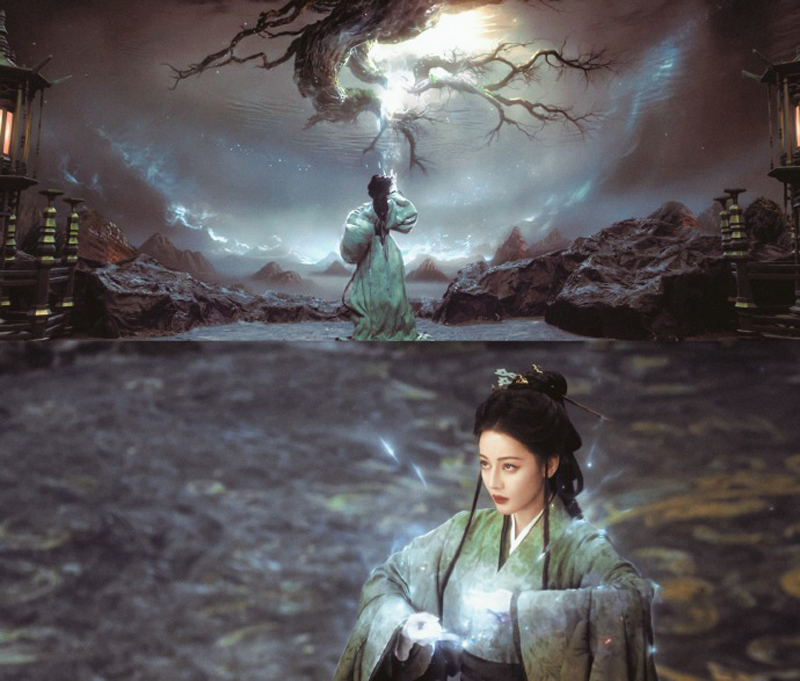
Their relationship does not follow a fairy tale script. No instant love. No grand rescue. Just two people slowly, carefully watching each other. They test, hesitate, come closer, then pull back. He does not fix her. She does not worship him. They simply trade senses – his warmth for her curiosity, his pain for her wonder. The intimacy builds not through speeches but through shared perception. When she describes rain, she breaks it into layers: “First a fine, dense itch. Then a cool, slippery dampness. Then, when it pours, a slight sting.” Most of us have felt rain a thousand times and never noticed those stages. She notices because she waited four hundred years for this.
This is what existence feels like when you strip away all grand narratives. Not destiny or glory. Just the itch of a raindrop, the moisture of a foggy morning, the sting of a hard shower. He Simu teaches us that meaning hides in micro-perceptions. The first sip of hot tea. The grain of wood under your fingertips. The ache in your legs after a long walk. We rush past these signals every day, chasing bigger things. But she, who had nothing, knows the truth: small sensations are not small at all. They are the only proof that life is happening to you right now.
The Ghost King’s Wisdom
Here is a strange detail about He Simu: she cannot see colors, yet she paints beautifully. She cannot hear melodies, yet she plays the zither with skill. How? Not through magic or talent. Through four hundred years of repetition. She memorizes where each brushstroke goes. She feels the strings’ tension and learns which movements produce which vibrations. She does not rebel against her limits. She works around them. This points to an unusual kind of wisdom – one that echoes the Heart Sutra. The sutra’s first line says, “Avalokitesvara Bodhisattva, practicing deep prajna paramita, clearly saw that all five aggregates are empty, and thus relieved all suffering.”
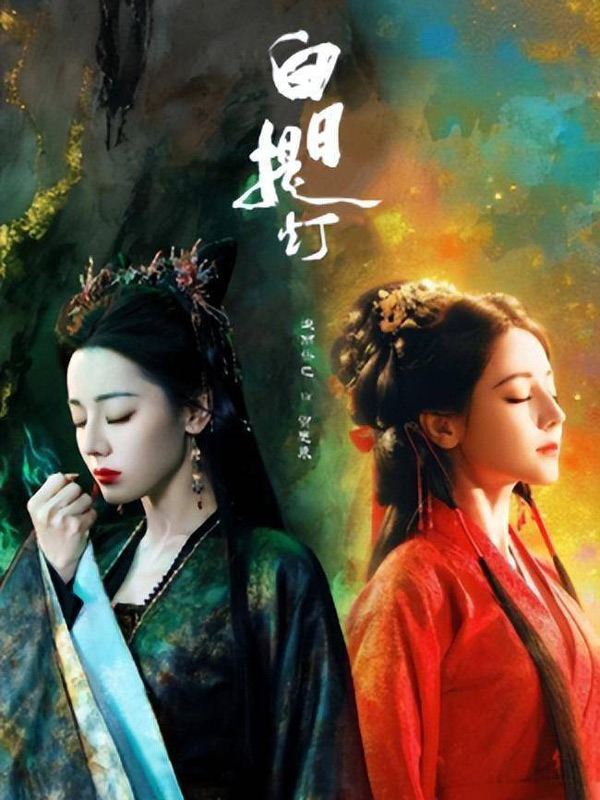
The five aggregates are form, sensation, perception, mental formations, and consciousness – exactly what He Simu lacks. She cannot see forms clearly. She has almost no sensation. Her perceptions come secondhand. And yet she does not cling to self-pity. She paints. She plays music. She fulfills other people’s wishes. “Empty” does not mean nonexistent. It means non-attachment. She sees that her missing senses are empty of fixed importance. So she stops craving them. When Duan Xu’s bond finally gives her taste and touch, she does not become addicted. Pain passes. Warmth fades. Sounds stop. She enjoys each moment fully, then lets it go.
This is what “relieving all suffering” actually looks like. Not a painless life. Not eternal pleasure. A mind that knows: this ache will end, this joy will end, neither owns you. He Simu rules as a ghost king – a being of death and shadow – yet she chooses to step into sensation. She could stay numb and safe. Instead, she accepts the itch, the sting, the sharpness of existence. That choice transforms her from a detached immortal into someone truly alive. The Heart Sutra says form is emptiness, emptiness is form. In other words, sensations are illusions, but experiencing those illusions is the only path through illusion.
So do not fear pain. Do not run from hardship or loss. He Simu spent four hundred years without feeling anything. When she finally felt a knife cut, she called it precious. Because pain means you are still here. Grief means you still care. Emptiness means you once held something real. That is the ghost king’s final lesson: living fully does not mean avoiding the bad. It means welcoming the signal that you are not yet gone.