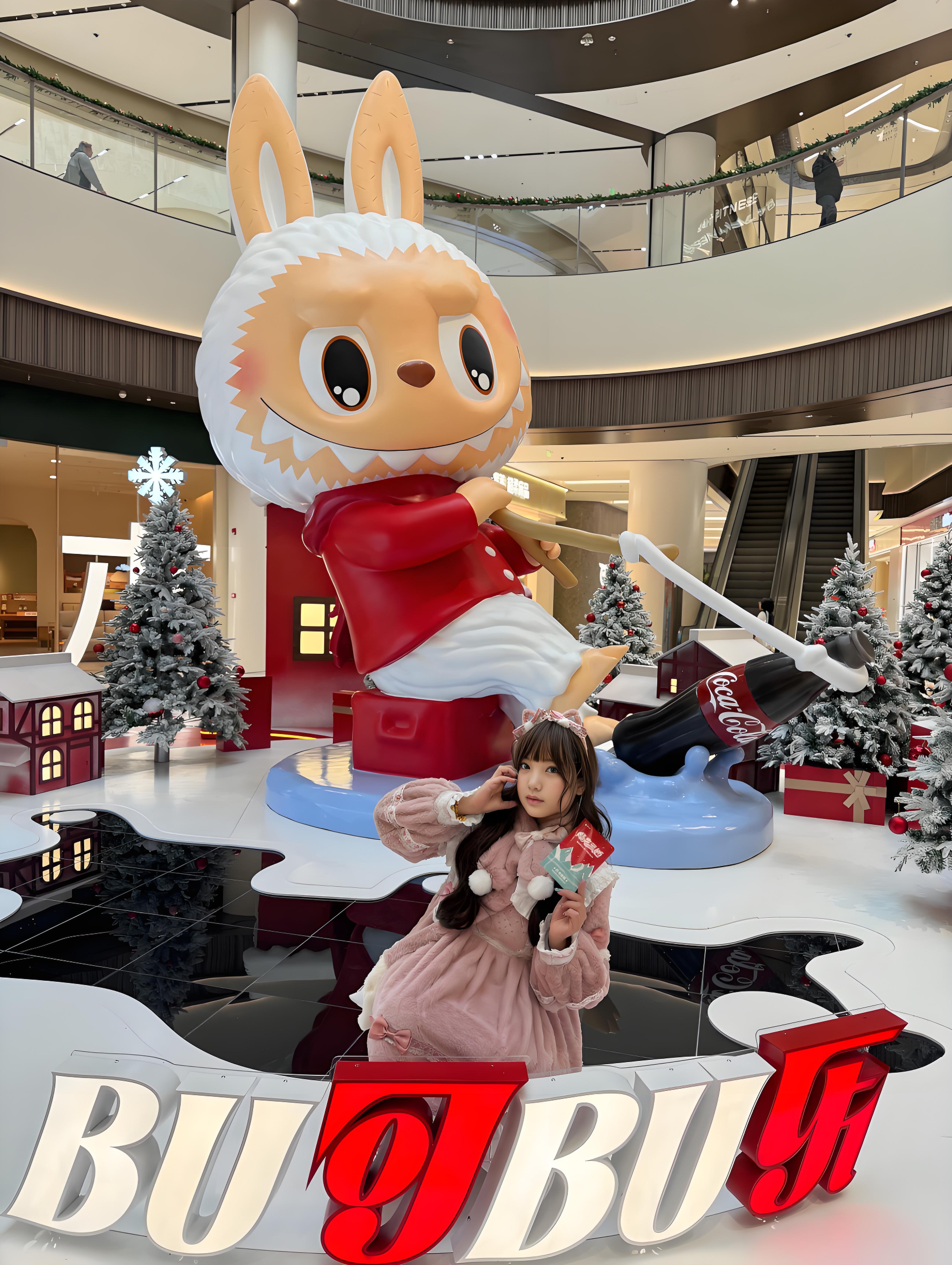
In the ephemeral world of collectibles, Labubu’s journey from obscurity to auction-record fame - and subsequent market correction - mirrors a seismic shift in cultural consumption. Once traded at 1,080,000 RMB yet now facing a 50% price plunge after restocks, this "ugly-cute" figurine embodies capitalism’s dance with emotion. As Peking University scholar Hu Yong (胡泳) observes, its appeal lies in violating norms: merging infantile familiarity with unsettling novelty. For a generation navigating digital isolation, Labubu isn’t just plastic; it’s a vessel for identity, rebellion, and the quiet erosion of grand narratives.
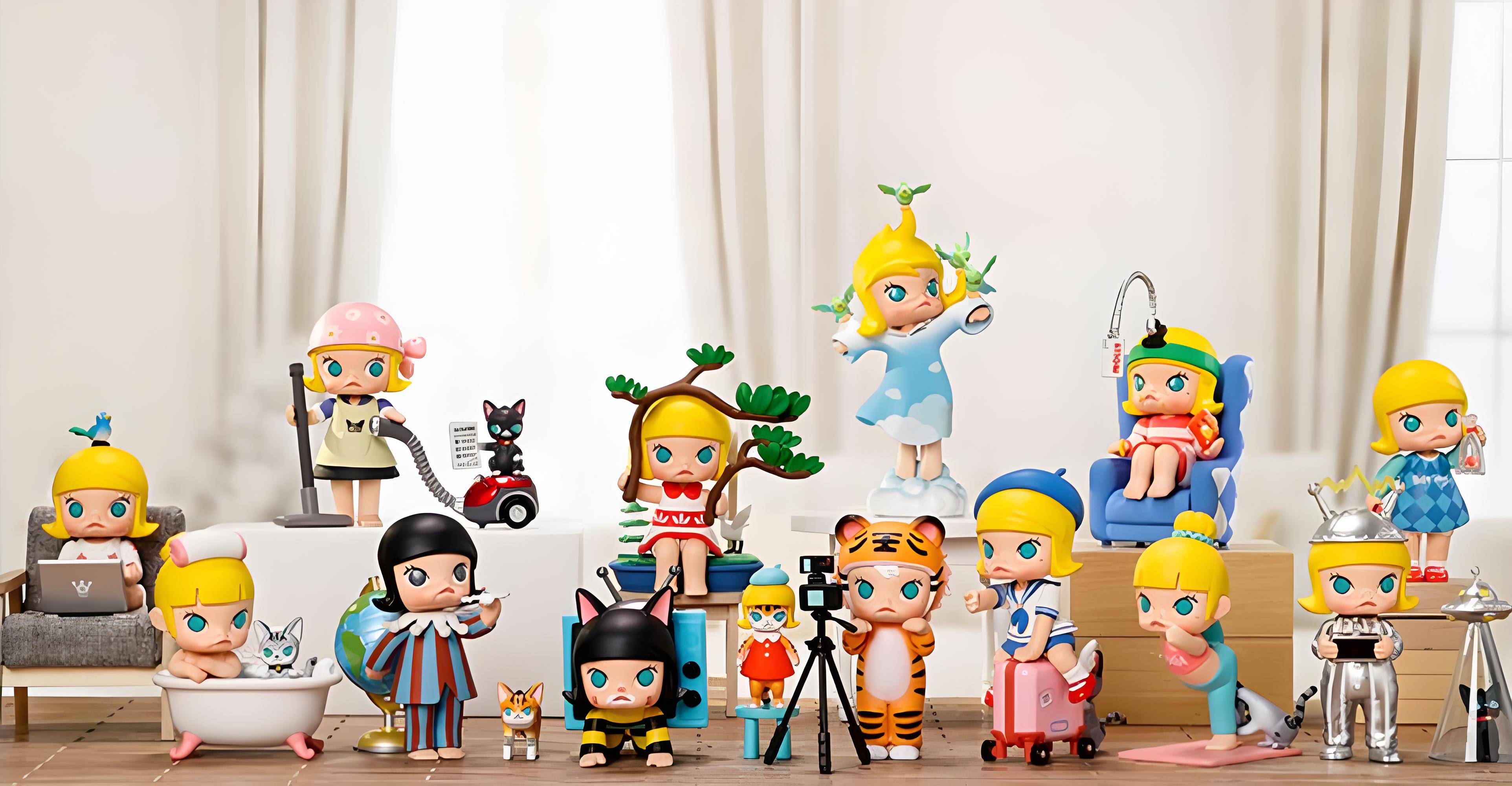
The Baby Schema Paradox
Labubu’s disproportionate eyes and miniature body exploit an innate human trigger: the Kindchenschema (baby schema). Animal behaviorist Konrad Lorenz’s theory reveals our hardwired urge to protect infantile features - a tool brands weaponize for emotional consumption. Yet Labubu subverts this. Its jagged teeth and hollow gaze inject discomfort into cuteness, creating what Professor Cui Di (崔迪) calls "a dark innocence." Where Hello Kitty radiates saccharine purity, Labubu hybridizes charm with chaos, rejecting "standardized" aesthetics to resonate with adults disillusioned by performative optimism.
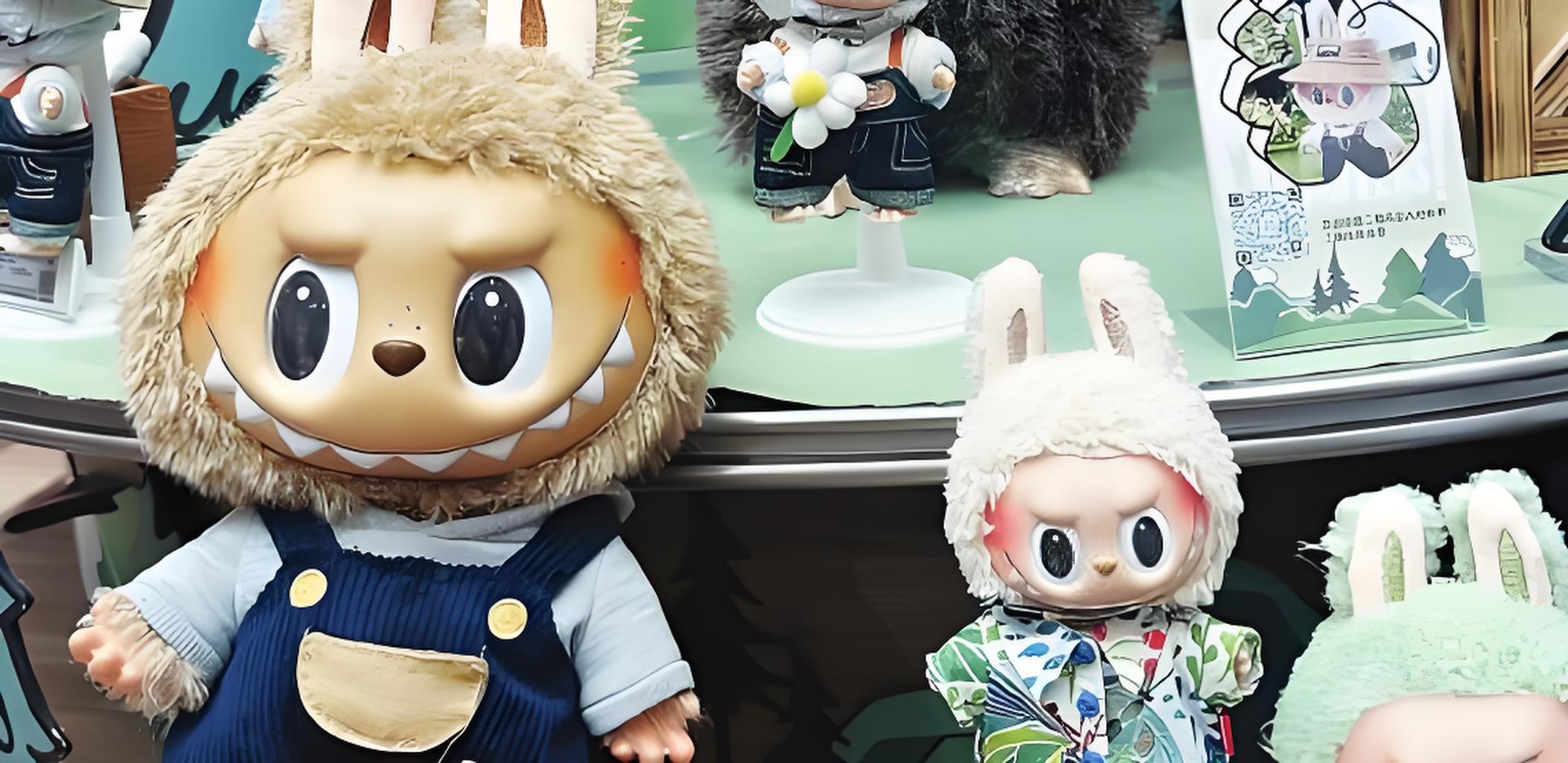
This duality expands its reach. Traditional "mēng" (萌, cute) toys exclude those seeking sophistication, but Labubu’s grotesque allure bridges demographics. Its design acknowledges adulthood’s complexities - nostalgia for childhood innocence clashing with adult cynicism. As Hu notes, this tension becomes aspirational: collecting Labubu signals cultural fluency, transforming owners into curators of avant-garde sentiment rather than passive consumers.
Visually, Labubu thrives in ambiguity. Unlike narrative-heavy IPs (e.g., Studio Ghibli’s Totoro), it offers blank-slate symbolism. Fans project personal meanings onto its mute form, turning collectibles into Rorschach tests for modern anxieties. As Professor Cui explains, "Its lack of story isn’t emptiness; it’s invitation." This flexibility fuels cross-cultural appeal, with London and Seoul queues mirroring Beijing’s frenzy.
The Silence Economy
Labubu’s meteoric rise coincides with what scholars term "narrative retreat." Unlike legacy IPs anchored in epic tales (e.g., superhero sagas), its background is deliberately sparse. Cui Di attributes this to postmodern fragmentation: "As grand narratives lose credibility, people crave symbols adaptable to fractured realities." Labubu’s muteness becomes its strength, allowing it to embody resistance, melancholy, or absurdity without ideological baggage.
This reflects a broader cultural pivot. Japanese theorist Hiroki Azuma argues contemporary consumption prioritizes "database elements" - detachable traits (appearance, catchphrases) over plot. Labubu epitomizes this: fans value its visual grammar (horns, mismatched eyes) more than any storyline. Such IPs thrive in an age of meme-driven virality, where complexity distills into shareable fragments.
Capitalism capitalizes on this void. Scarcity mechanics - blind boxes, limited editions - replace storytelling with gambling’s adrenaline. As Hu Yong critiques, "Fashion is capitalism’s favorite child," cycling trends to stoke desire. When Pop Mart flooded markets with Labubu restocks in June 2025, secondary prices collapsed, exposing how artificial rarity underpinned its economy. Yet even post-crash, demand persists, proving emotional attachment transcends speculative value.
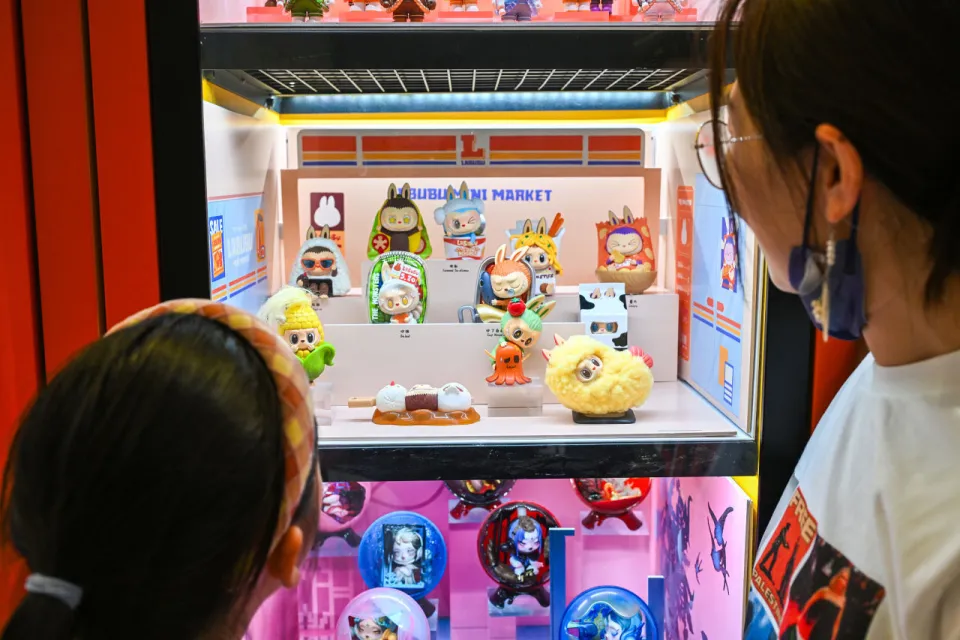
Platforms and Performative Fandom
Labubu’s ecosystem thrives on platform-enabled symbiosis. Unlike past star systems mediated by studios, its popularity is co-created. Fans customize figurines ("改娃"), design outfits ("娃衣"), and flood social media with unboxings - actions merging consumption with artistry. Cui Di identifies this as "operational fandom": users aren’t just audiences but data-driven collaborators shaping production via engagement metrics.
Platforms amplify this. Douyin unboxing videos and Weibo collector communities create feedback loops where brands track trends in real-time, restocking high-demand designs while retiring flops. This "platform capitalism" turns consumers into unwitting marketers. As one reseller lamented post-restock, "If I can’t sell Labubu, I’ll keep it" - a testament to how emotional investment complicates profit motives.
Yet pitfalls emerge. Low entry barriers invite copycats, diluting uniqueness. When hype fades, derivative businesses face collapse. Meanwhile, algorithmic curation risks homogenizing creativity. As Pop Mart’s stock fluctuates with Labubu’s whims, the challenge becomes balancing fan-driven innovation with sustainable practices—proving playthings aren’t immune to market gravity.
Labubu’s legacy transcends vinyl. It captures a generation’s negotiation between selfhood and consumerism, where objects become totems of unspoken truths. As grand narratives fracture and screens mediate connection, perhaps these silent, bug-eyed figures speak loudest: embracing imperfection, craving tangibility, and finding communion in the quiet spaces between stories.